
Gate Valve for Refinery Service at 425°C: What Buyers Should Specify

Specify a gate valve for refinery service at 425°C: review hot hydrocarbons, pressure ratings, trim, emissions, coking risk and inspection documents.
Ball Valve vs Gate Valve vs Globe Valve: Which One Should Industrial Buyers Choose?
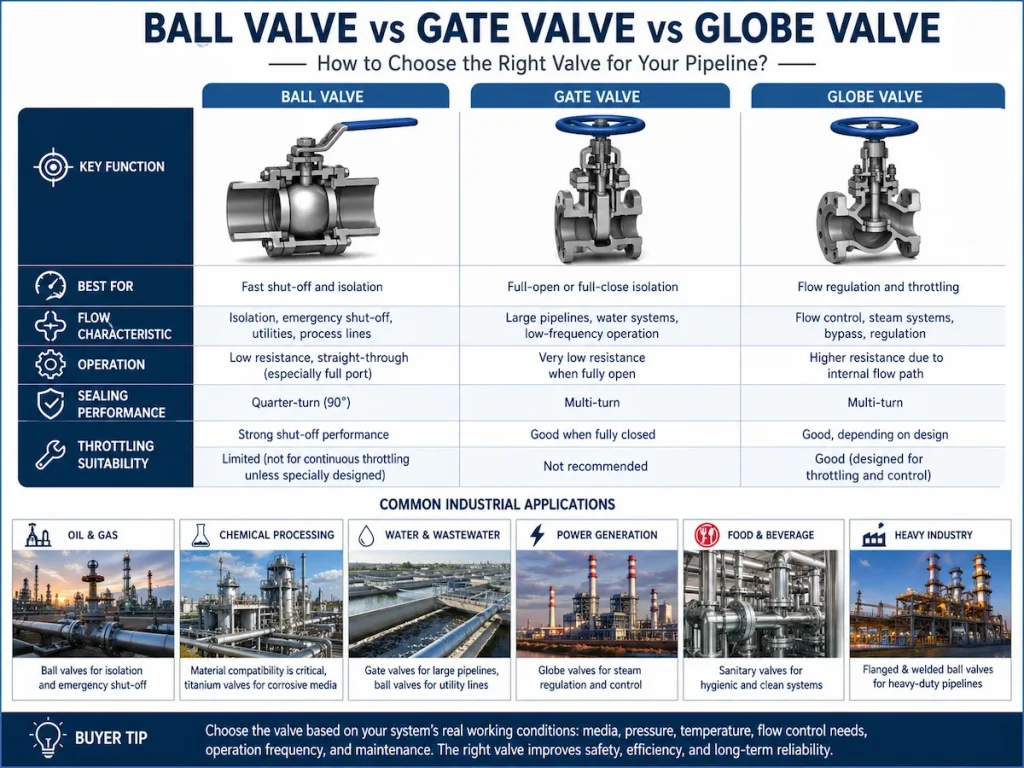
Quick Summary: A ball valve is usually the better choice for fast shut-off, reliable sealing, and low-pressure-loss pipeline isolation, while a gate valve works well for full-open or full-close large pipeline service, and a globe valve is better for flow regulation. For industrial buyers, the right choice depends on flow control needs, pressure drop limits, […]
Different between gate valve and globe valve
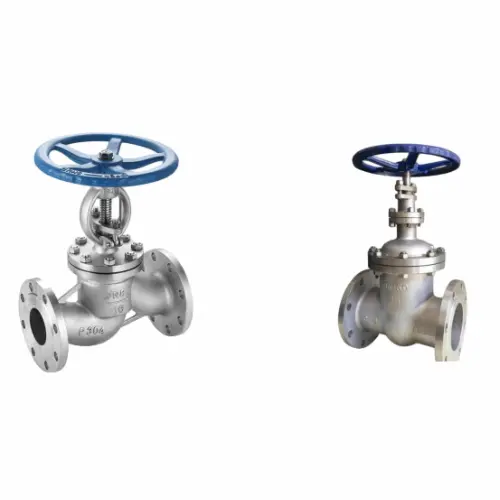
Introduction Understanding the difference between gate valve and globe valve is essential when designing or maintaining industrial piping systems. Although both valves are widely used for controlling fluid flow, their internal structures, flow characteristics, and typical applications differ significantly. At Vcore Valve, engineers often encounter situations where the wrong valve type has been installed, leading […]
Isolation Valves vs. Gate Valves: What Is the Difference?
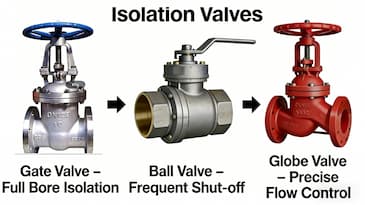
Compare isolation valves and gate valves by function, shut-off performance, flow resistance, operating frequency, maintenance, and application. Isolation valve is a broad category that includes gate, ball, butterfly, and globe valves, while gate valves are specifically designed for full-open or full-closed service with minimal pressure drop in large pipelines.
Sluice Valve vs Gate Valve: Key Differences Explained
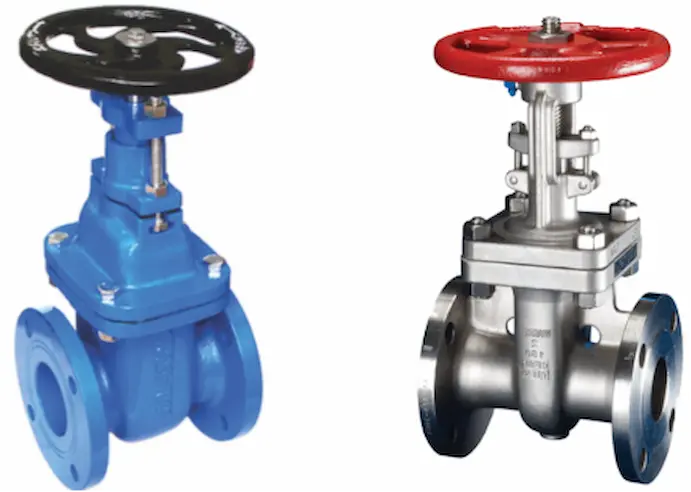
Compare sluice valves and gate valves by gate structure, media compatibility, debris resistance, sealing performance, maintenance, and application. Sluice valves are better suited to wastewater, sludge, slurry, and solids-bearing media, while conventional gate valves provide economical, low-resistance isolation for clean water, oil, gas, steam, and general industrial pipelines.
Gate Valve vs Butterfly Valve: Key Differences Explained
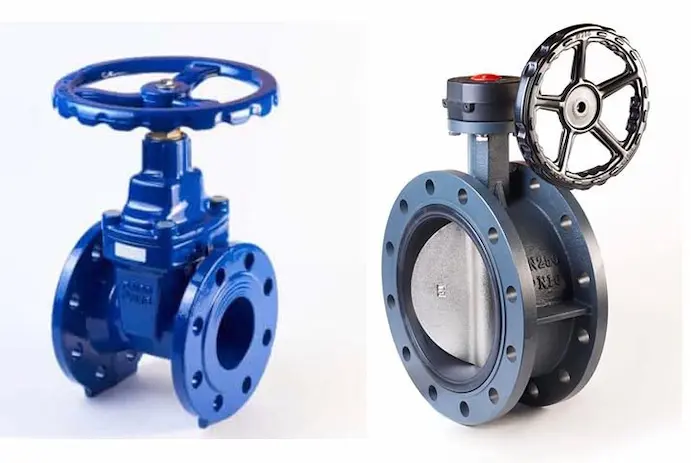
Compare gate valves and butterfly valves by operating mechanism, flow resistance, installation space, weight, cost, maintenance, and application. Gate valves provide full-bore flow and minimal pressure loss for high-pressure isolation and transmission pipelines, while butterfly valves offer compact construction, fast quarter-turn operation, easier automation, and economical control for water treatment, HVAC, cooling, and large-diameter piping systems.
Angle Valve vs Gate Valve: Differences & Applications
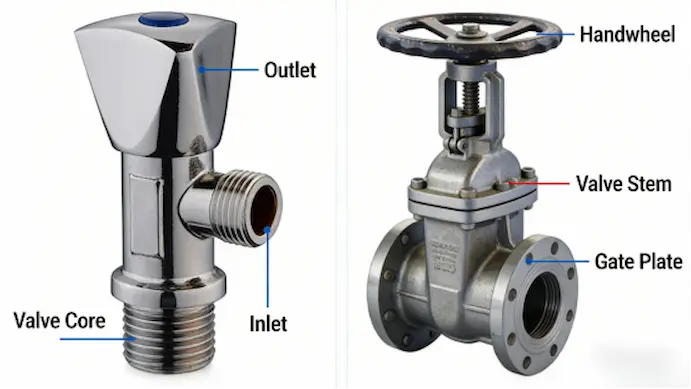
Compare angle valves and gate valves by flow path, installation space, pressure drop, operating frequency, and application. Angle valves redirect flow by 90 degrees and provide compact local shutoff for plumbing fixtures, branch lines, and confined spaces, while gate valves provide straight-through, low-resistance isolation for main water and industrial pipelines.
Globe Valves vs Gate Valves: Differences & Applications
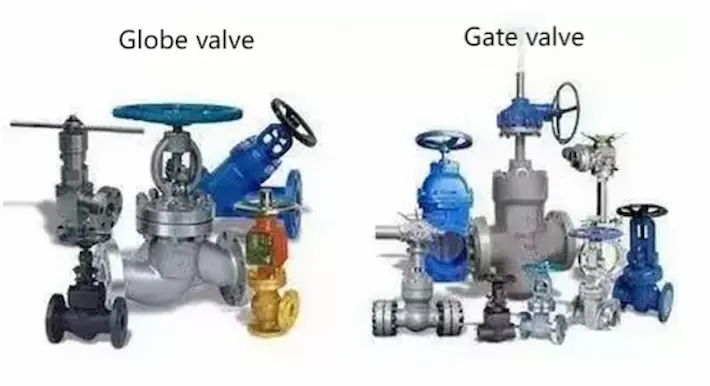
Compare globe valves and gate valves by flow path, throttling performance, pressure loss, operating frequency, sealing, and application. Globe valves provide accurate flow regulation and frequent operation for steam, fuel, and process-control lines, while gate valves offer straight-through flow and minimal pressure loss for full-open or full-closed isolation in water, fire-protection, and transmission pipelines.
How to Tell If a Valve Is Open or Closed: Position Indicator Guide
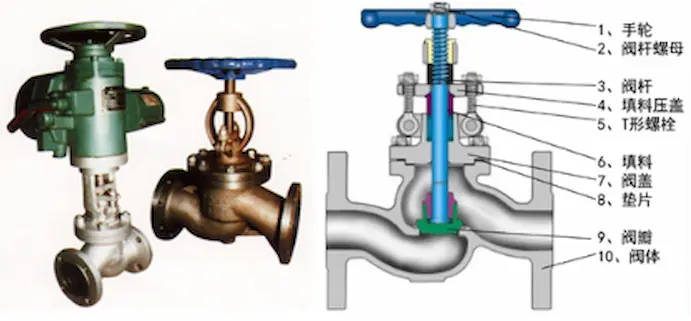
Learn how to determine whether a valve is open, closed, or partially open by checking handle direction, stem position, handwheel travel, actuator indicators, position feedback, flow response, and operating records. The guide explains common valve position indicators for ball valves, gate valves, globe valves, check valves, and automated valves, while highlighting inspection, maintenance, lockout/tagout, and safety practices that help prevent misoperation in industrial, HVAC, plumbing, and process systems.
How Plug Valves Differ from Gate Valves
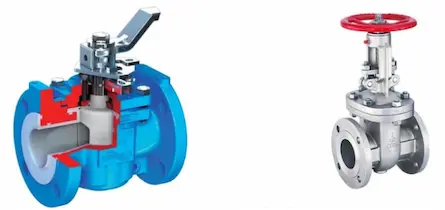
Compare plug valves and gate valves by operating motion, sealing structure, flow resistance, maintenance, and media compatibility. Plug valves provide fast quarter-turn shutoff and are well suited to viscous, dirty, or slightly abrasive fluids, while gate valves provide unobstructed full-bore flow with very low pressure loss for clean water, gas, steam, and general pipeline isolation.
Gate Valve: 5 Types, Parts, and Working Principle
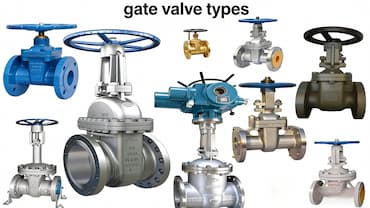
Explore the main gate valve types, components, and operating principle, including wedge, parallel-slide, resilient-seated, metal-seated, rising-stem, and non-rising-stem designs. The guide explains how gate valves provide full-open or full-closed pipeline isolation and highlights key selection factors such as seat construction, body material, pressure and temperature, media compatibility, actuation, maintenance, and applicable standards.
8 Valve Installation Taboos: Must-Read Guide for Beginners to Avoid Pitfalls

Quick Summary Overlook the 8 Valve Installation Taboos, and you’ll face leaks, system failures, or even safety hazards. This guide breaks down the most common mistakes beginners make, with actionable tips to get your valve fittings right the first time. The Cost of Ignoring Valve Installation Basics Imagine this: You’ve just finished installing a new […]