Introduction
Needle valves are integral components in various industries where precision flow control is crucial. From industrial systems to laboratory applications, these small but powerful devices regulate the flow of liquids and gases with an exceptional degree of accuracy. This article delves into the functionality, types, and applications of needle valves, shedding light on their importance in the world of engineering and manufacturing.
Key Features
Precision Control
The primary advantage of a needle valve is its ability to provide precise control over the flow of fluid. The fine-threaded adjustment mechanism ensures that even minute changes in flow are possible.
Tapered Needle Design
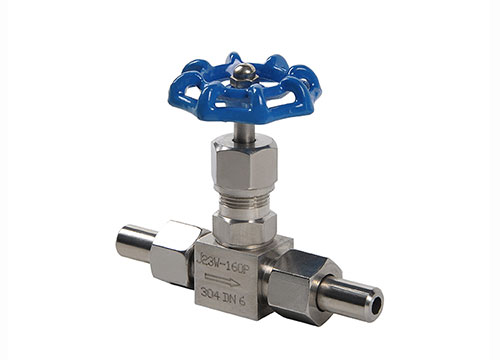
The plunger moves within a conical seat, allowing for very fine adjustments.
Durability
Needle valves are built to handle high-pressure environments, making them durable and reliable for industrial settings.
Variety of Materials
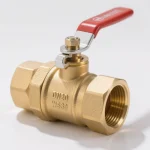
They are made from a range of materials, such as stainless steel, brass, and plastic, ensuring their versatility in different environments and fluid types.
Types of Needle Valves |
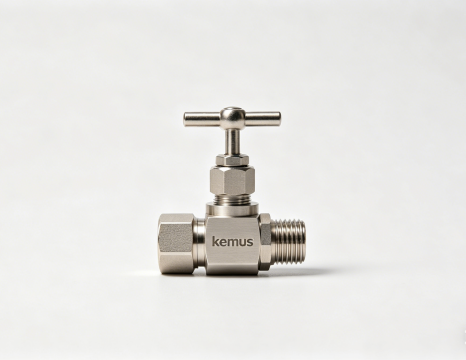
Types of Needle Valves |
Types of Needle Valves
Manual Needle Valves
These are operated by hand and are typically used for low-flow applications where frequent adjustments are not necessary.
Automatic Needle Valves
These valves automatically adjust the flow based on preset conditions, making them ideal for systems where consistency is critical.
High-Pressure Needle Valves
Specifically designed to withstand high-pressure conditions, these valves are common in industrial systems like oil and gas pipelines.
Applications of Needle Valves
Oil & Gas Industry
They are often used in oil pipelines and refineries to control the flow of oil and gas. Their ability to handle high-pressure systems is crucial in these environments.
Laboratories
In laboratory settings, they are employed in precise fluid control systems, such as chromatography or gas analysis, where accuracy is paramount.
HVAC Systems
They help in regulating the flow of refrigerants in HVAC systems, ensuring efficient performance and energy savings.
Pharmaceuticals
The pharmaceutical industry uses them in dosing systems, where accurate control over fluid flow ensures the correct formulation of medicines.
Needle Valve: Essential for Precision Flow Control
A Needle Valve is a crucial component in fluid control systems, known for its ability to regulate small, precise amounts of flow. Its unique design features a long, slender needle that fits snugly into a tapered seat, offering fine-tuned control over fluid or gas movement. This makes needle valves particularly useful in industries where accuracy is paramount.
Unlike other types of valves, they excel in applications with low flow rates. Their design allows for gradual and minute adjustments, which are essential in settings such as laboratory experiments, where precision is critical. For example, in chemical research or testing, controlling the flow of reagents with utmost precision can impact the accuracy of results.
Additionally, they are often found in instrumentation systems where exact flow regulation is needed. They are used in gas flow measurement, pressure testing, and other applications where small, steady flows must be maintained. In hydraulic and pneumatic systems, they are essential for controlling the flow of fluids or compressed air with high precision.
Due to their finely adjustable nature, needle valves are also frequently utilized in high-pressure systems, where small changes in flow can have a significant impact. They can be made from various durable materials, including stainless steel or brass, making them suitable for handling corrosive fluids and gases.
In summary, they are indispensable for any system requiring accurate flow control in low-flow or high-precision environments. Whether in industrial, chemical, or laboratory settings, they provide the necessary reliability and precision to ensure optimal system performance.
Comprehensive Solutions for Every Industry
When seeking reliable and tailored solutions for your fluid control needs, explore the wide range of options provided by our team. From needle valves to advanced systems, we offer expert solutions to meet the specific demands of industries like oil & gas, HVAC, and pharmaceuticals. Learn more about the versatile solutions we offer by visiting our solutions page.
Get in Touch with Our Experts
If you have any questions or need further assistance regarding our products or services, don’t hesitate to reach out. Our team is ready to provide you with the support you need to make the best decision for your projects. You can easily get in touch with us through our contact page.
Explore Our Full Range of Products
Looking for specific valve solutions or accessories? Our extensive product catalog includes everything you need for precision fluid control. From manual and automatic needle valves to specialized high-pressure valves, our range is designed to offer the best in quality and durability. Browse through our product offerings to find exactly what you’re looking for.
Frequently Asked Questions (FAQ)
What is a needle valve and how does it work?
A needle valve is a type of valve with a long, tapered needle that regulates the flow of liquids or gases. It allows for precise adjustments to the flow rate, especially in low-flow systems.
What industries use needle valves?
Needle valves are commonly used in industries such as oil & gas, pharmaceuticals, HVAC systems, and laboratories, where precise control of fluid or gas flow is essential.
Can needle valves be used in high-pressure systems?
Yes, needle valves are designed to withstand high-pressure environments, making them suitable for applications in oil pipelines and other industrial systems.
What materials are needle valves made from?
Needle valves can be made from various materials, including stainless steel, brass, and plastic, depending on the application and the type of fluid being controlled.