
High-Performance Precision Needle Valves for Unmatched Flow Control Accuracy and Reliability
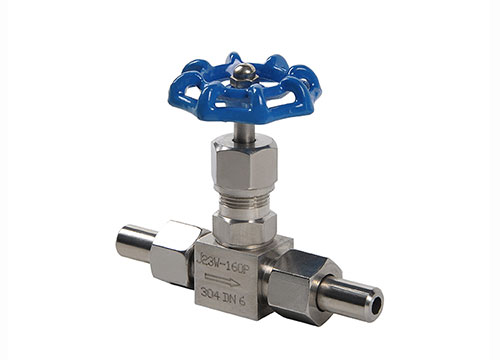
Discover high-precision needle valves for industrial, laboratory, and HVAC applications. Explore top-quality needle valve solutions for gas and liquid flow control.
Slip Ball Valve vs Ball Valve: Key Differences
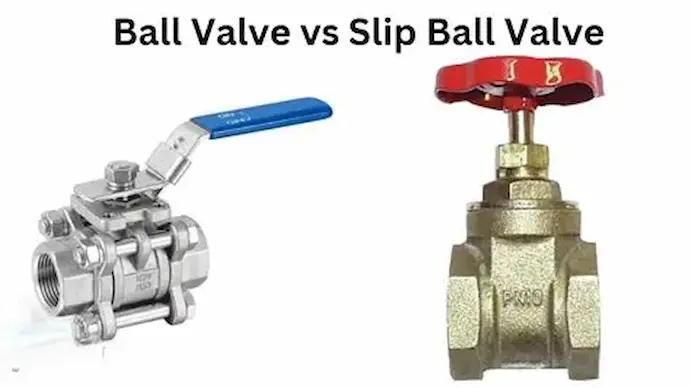
Compare slip ball valves and conventional ball valves by flow-control method, sealing performance, pressure capability, maintenance, and application. Slip ball valves are designed for adjustable flow regulation, while standard ball valves provide reliable full-open or full-closed isolation for water, gas, oil, and industrial pipelines.
On/Off Valve vs Modulating Valve: Key Differences
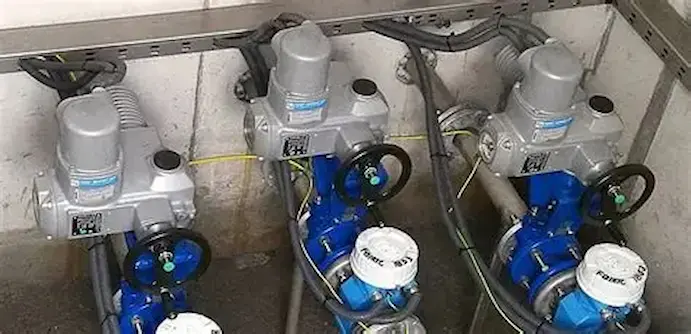
Compare on/off valves and modulating valves by control method, precision, actuator requirements, energy efficiency, cost, and application. On/off valves are suitable for simple fully open or fully closed isolation, while modulating valves provide continuous and precise flow regulation for HVAC, steam, chemical processing, temperature control, and automated process systems.
Why Are 2-Way and 3-Way Valves Necessary?
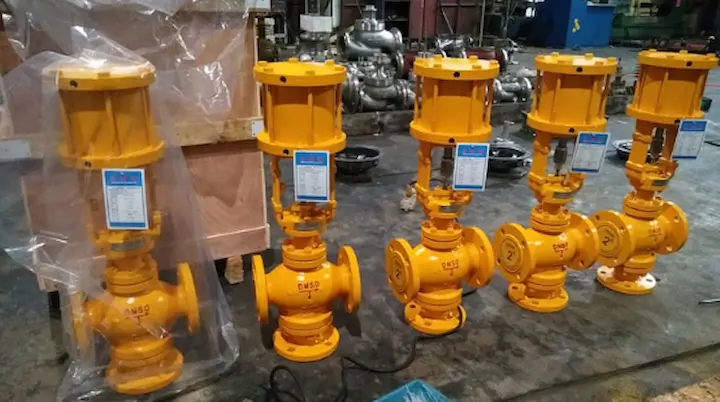
Compare 2-way and 3-way valves by port configuration, flow function, control capability, piping complexity, and application. Two-way valves are used for isolation and basic flow regulation, while three-way valves mix, divert, or bypass flow in HVAC, heat-exchange, cooling, and automated process-control systems.