
What Is a Semi-Lugged Butterfly Valve? Complete Guide
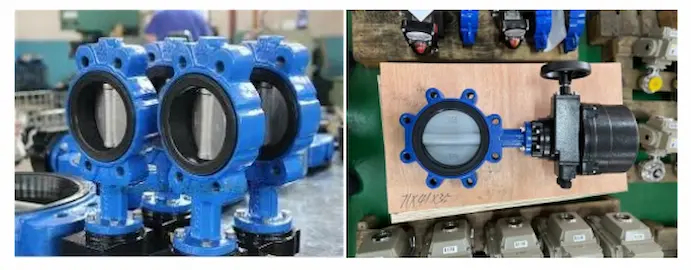
Learn how semi-lugged butterfly valves combine a compact between-flange body with additional alignment or bolting features for improved installation stability. The guide explains their structure, operating benefits, limitations, and key selection factors when comparing wafer, semi-lugged, and fully lugged butterfly valves for water, HVAC, and general industrial systems.
The Complete Guide to T-Type Strainer
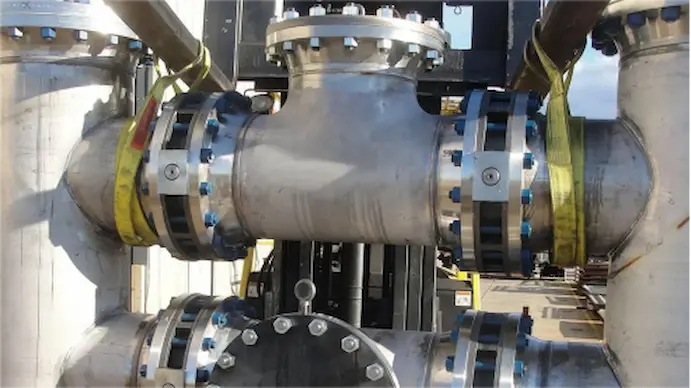
Learn how T-type strainers remove rust, scale, welding debris, and other solid particles before they reach pumps, control valves, flow meters, and downstream equipment. The guide explains their working principle, installation and maintenance requirements, and key selection factors such as flow rate, screen opening, debris capacity, allowable pressure drop, pipeline orientation, and cleaning access.
Through Shaft vs Split Shaft Butterfly Valve Discs
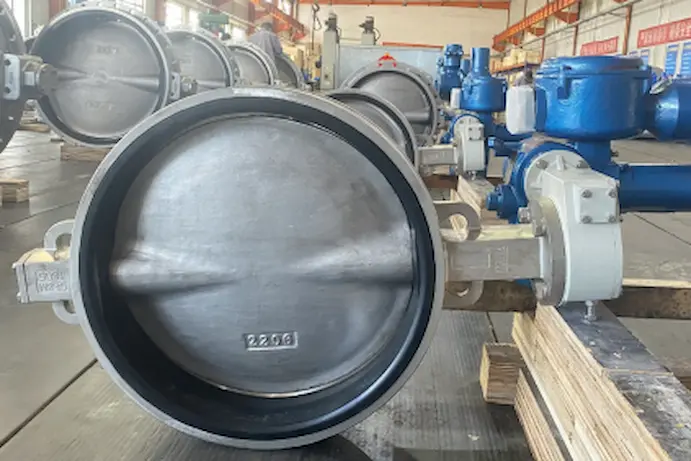
Compare through-shaft and split-shaft butterfly valve discs by shaft structure, mechanical strength, flow resistance, operating torque, weight, cost, and suitable valve size. Through-shaft designs provide strong, simple support for small- to medium-size valves, while split-shaft designs create a less obstructed flow path and are better suited to large-diameter, flow-efficient systems.
Concentric vs Eccentric Butterfly Valve
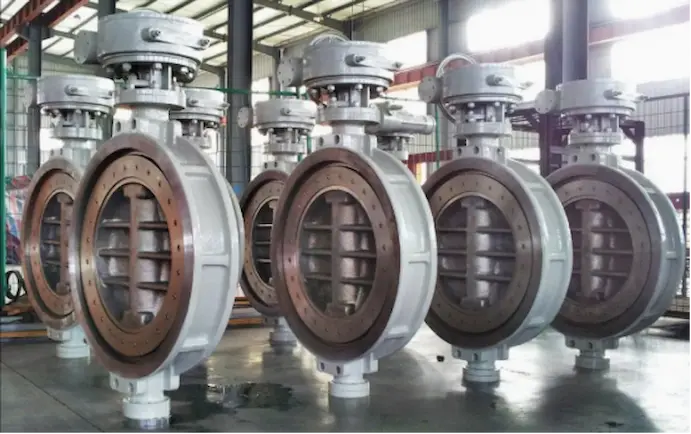
Compare concentric and eccentric butterfly valves by shaft position, seat contact, sealing design, operating torque, pressure and temperature capability, service life, and application. Concentric butterfly valves provide a simple, economical solution for water, HVAC, and low-pressure utility systems, while double- and triple-eccentric designs reduce seat friction and offer more durable sealing for steam, gas, chemical processing, power generation, and other demanding services.
Can a Check Valve Be Installed Vertically?
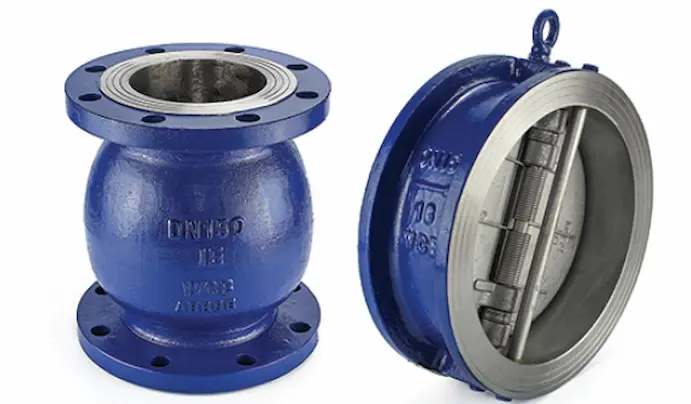
Can a check valve be installed vertically? This in-depth guide explains vertical check valve installation rules, suitable valve types, common mistakes, and engineering best practices from Vcore Valve.
Why Install a Check Valve at the Pump Outlet?
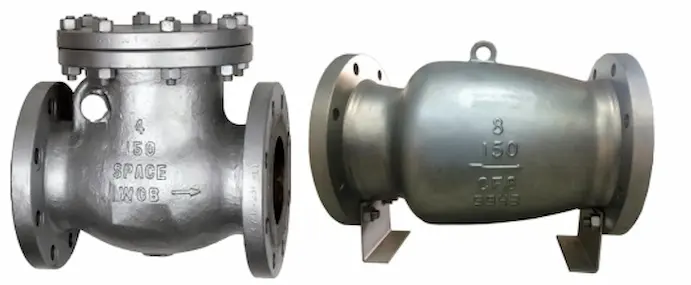
Learn why check valves are installed at pump outlets to prevent reverse flow, reverse pump rotation, water hammer, seal damage, and unstable system operation. The guide also explains proper installation position, valve selection, and why fast-closing designs such as nozzle check valves are often preferred for pump discharge lines.
Butterfly Valve Disc Material Selection Guide
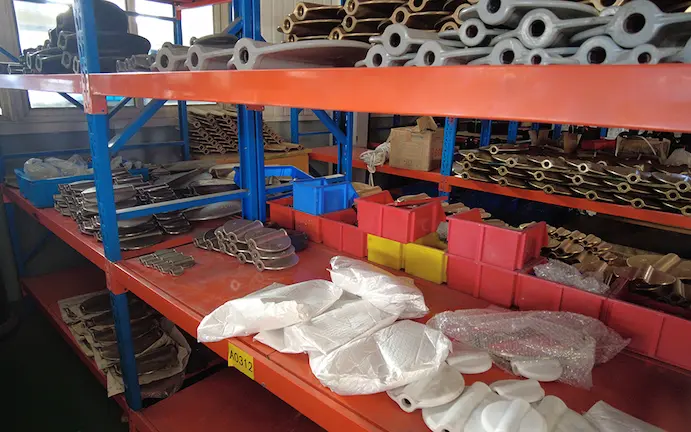
Compare common butterfly valve disc materials—including epoxy-coated ductile iron, stainless steel, aluminum bronze, and coated discs—by corrosion resistance, mechanical strength, operating torque, temperature capability, cost, and media compatibility. Epoxy-coated ductile iron suits water and HVAC systems, stainless steel is preferred for chemical and hygienic service, and aluminum bronze provides strong seawater resistance for marine and offshore applications
Resilient Seated Butterfly Valve Seat Design Guide
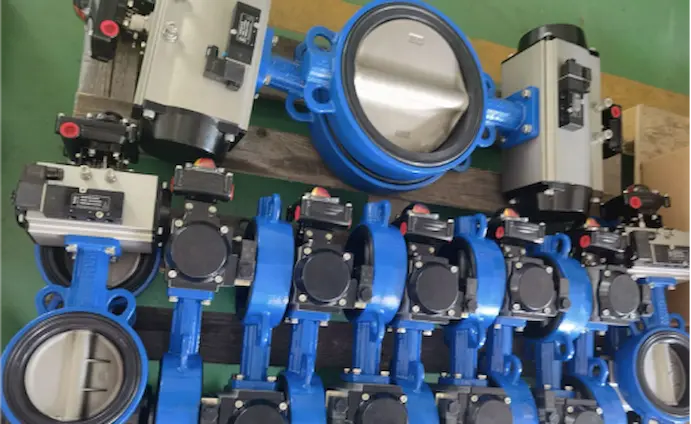
Compare booted, molded-in, and cartridge seat designs used in resilient-seated butterfly valves. The guide explains how seat retention, replaceability, flange sealing, pressure and vacuum capability, operating torque, media compatibility, maintenance access, and lifecycle requirements affect the selection of a suitable butterfly valve seat configuration.
Extended Stem Butterfly Valves for Underground Pipelines
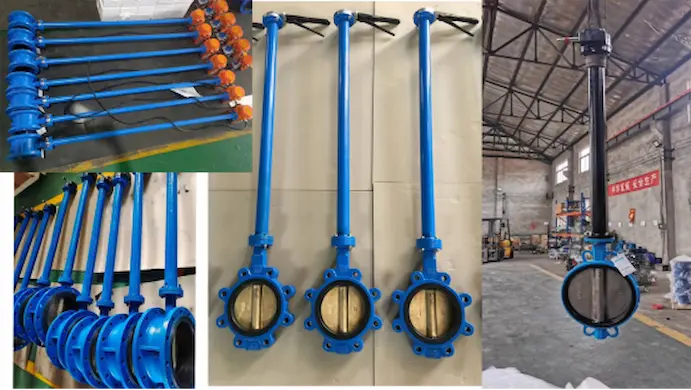
Learn how extended stem butterfly valves allow buried pipeline valves to be operated safely from ground level or inside a valve box without excavation. The guide explains stem length selection, valve box compatibility, corrosion and ingress protection, torque transmission, installation planning, and routine inspection considerations for municipal water, utility, and underground industrial pipeline systems.
Ductile Iron Butterfly Valves for the UK Market | Vcore Valve
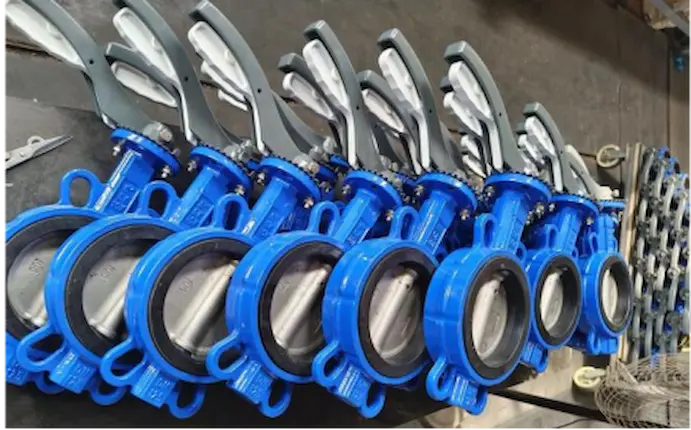
Explore how ductile iron butterfly valves are used in the UK market for municipal water distribution, commercial HVAC, and general industrial utility pipelines. The guide explains key buyer concerns such as material strength, resilient-seat sealing, wafer and lug body options, EN or WRAS-related compliance expectations, quality consistency, installation compatibility, and long-term supplier reliability.
Ductile Iron Ball Check Valve Shipped to Russia | Vcore Valve
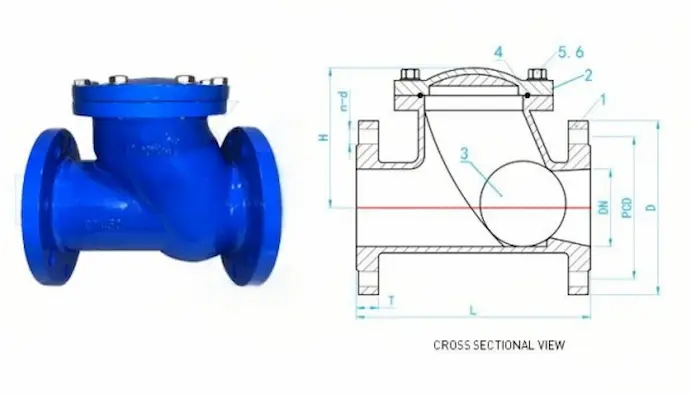
Learn how ductile iron ball check valves were selected and shipped for water and industrial pipeline applications in Russia. The case highlights key factors such as backflow prevention, PN10/PN16 pressure ratings, flanged connection, rubber-coated ball construction, cold-environment considerations, pressure testing, export packaging, and supplier reliability for international valve projects.
Manual Knife Gate Valves for Brazil: Slurry and Wastewater Application Case
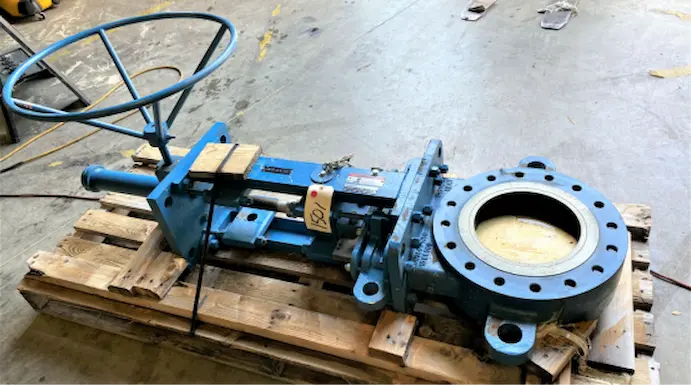
Learn how manual knife gate valves were selected and delivered for slurry, solids, fibrous media, wastewater, and industrial discharge applications in Brazil. The case highlights key factors such as rising-stem handwheel operation, replaceable resilient seats, DN80–DN300 flanged construction, pressure and sealing tests, export packaging, and valve selection for demanding South American industrial projects.