
How to Fix a Leaking Butterfly Valve: Causes, Inspection and Repair Guide
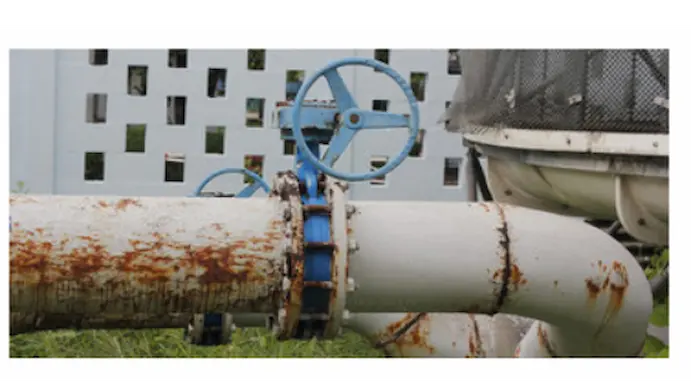
Learn how to troubleshoot and repair a leaking butterfly valve by identifying whether leakage comes from the seat, shaft, flange, body, or sealing surface. The guide explains common causes such as worn seats, damaged O-rings, misalignment, over-tightened flange bolts, material incompatibility, corrosion, and excessive pressure, while outlining safe isolation, inspection, repair, replacement, and preventive maintenance steps.
Nozzle Check Valve for Non-Slam Flow Control
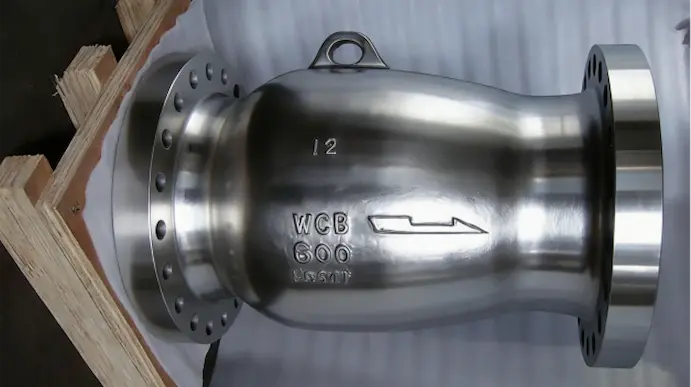
Learn how nozzle check valves, also known as axial flow or non-slam check valves, use a spring-assisted axial disc to reduce reverse-flow velocity, valve slam, noise, and pressure-surge risk in pump discharge and high-flow pipeline systems. The guide explains their working principle, flow path, sealing options, material selection, pressure-loss considerations, installation limits, and key sizing factors for power, water, desalination, oil and gas, and industrial process applications.
Why Choose Ball Valves for Compressed Air Systems
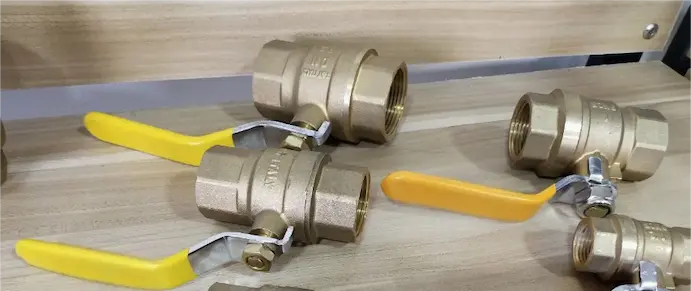
Learn why ball valves are widely used in compressed air systems for isolation, zoning, leakage control, and low-resistance airflow. The guide explains how tight shutoff, full-bore construction, suitable seat materials, pressure rating, cycling requirements, and proper valve sizing help reduce air loss, pressure drop, compressor workload, and operating cost in industrial pneumatic networks.
How Ball Valves Improve Energy Efficiency
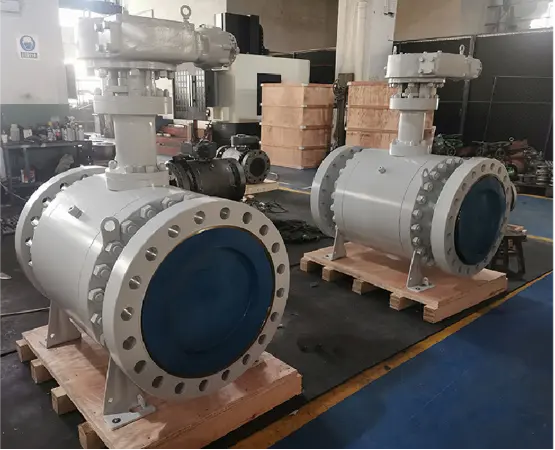
Learn how correct ball valve selection can improve piping-system energy efficiency by reducing unnecessary pressure loss, pump load, turbulence, leakage-related losses, and actuator oversizing. The guide explains full-bore versus reduced-bore ball valves, valve pressure-drop considerations, flow resistance, lifecycle energy cost, and practical selection factors for pump-driven industrial systems.
Tilting Disc vs Silent Check Valve Comparison
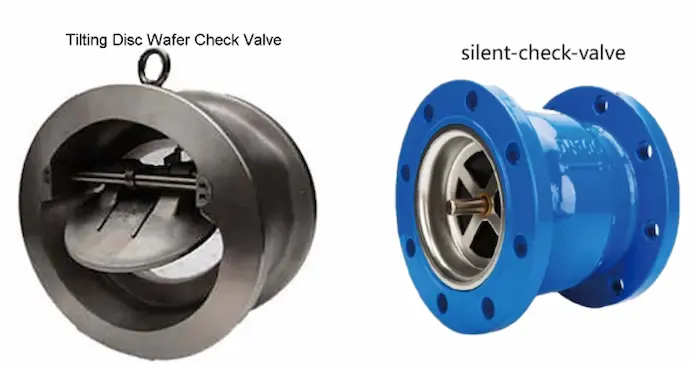
Compare tilting disc and silent check valves by closing mechanism, pressure loss, water-hammer control, installation space, noise level, and application. Tilting disc check valves provide low flow resistance for large, steady-flow pipelines, while spring-assisted silent check valves close rapidly to reduce reverse flow, noise, and pressure surges in pump discharge systems.
Ball Valve Wrenches and Manual Operating Tools: Safe Torque and Operation Guide
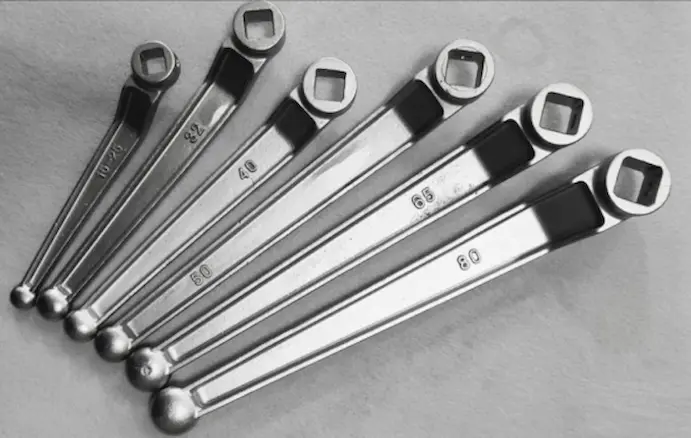
Learn how ball valve wrenches and manual operating tools affect safe and reliable valve operation. The guide explains why wrench length, valve size, operating torque, stem design, seat friction, pressure conditions, tool fit, and operator technique must be matched correctly to avoid over-torque, stem damage, seat wear, unsafe handle movement, and premature ball valve failure.
Soft Seat vs Metal Seat Ball Valve Explained
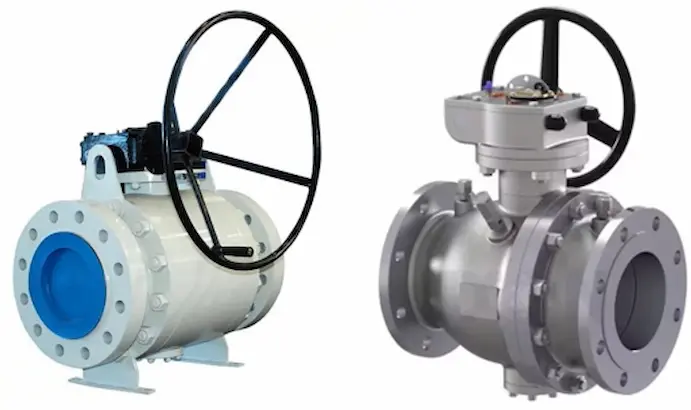
Soft seat vs metal seat ball valve comparison by seat material, leakage class, temperature, media, abrasion resistance, fire-safe design, torque and RFQ requirements.
Pneumatic Control Valve vs Hydraulic Valve Comparison
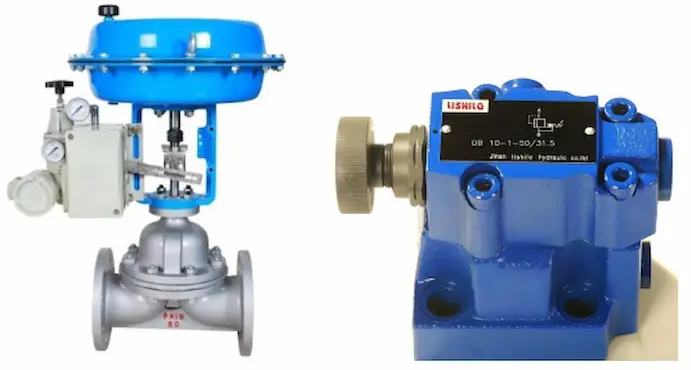
Compare pneumatic control valves and hydraulic valves by power medium, output force, response speed, control accuracy, maintenance, environmental risk, and application. Pneumatic control valves offer fast, clean, and relatively simple operation for chemical, food, pharmaceutical, and automated process systems, while hydraulic valves provide much higher actuation force and precise heavy-load control for mining, steel, heavy machinery, and other demanding applications.
Floating vs Fixed Ball Valves: Key Differences Explained
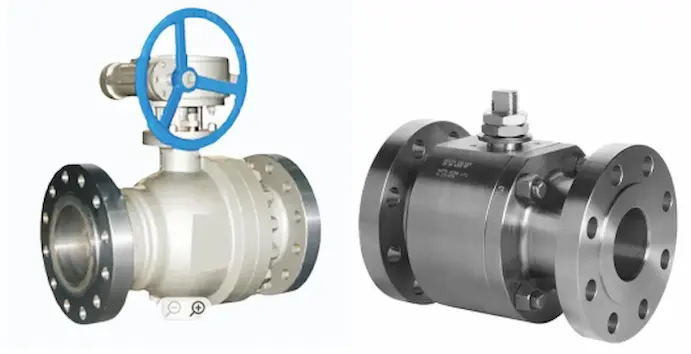
Compare floating and fixed (trunnion-mounted) ball valves by ball support, sealing mechanism, operating torque, pressure capability, valve size, cost, and application. Floating ball valves provide a simpler and more economical solution for small- to medium-size, low- and medium-pressure pipelines, while fixed ball valves offer lower torque and greater sealing stability for large-diameter, high-pressure oil, gas, power, and process systems.
Eccentric Half Ball Valve Design & Industrial Applications
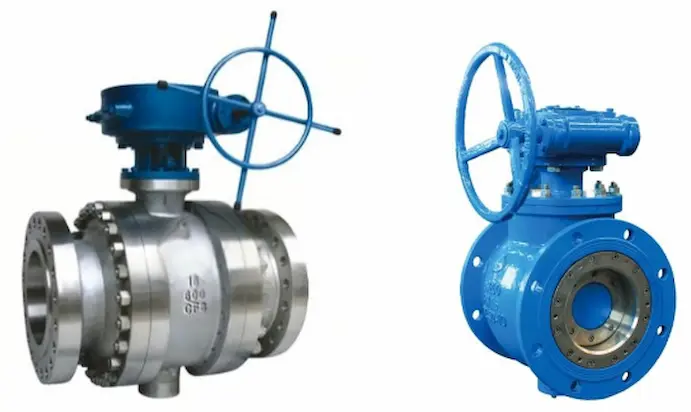
Learn how eccentric half-ball valves use an offset shaft and half-ball closure design to reduce seat rubbing, operating torque, and wear in abrasive, slurry, wastewater, pulp, ash, and solids-containing media. The guide explains the valve’s working principle, metal-seated sealing behavior, self-cleaning action, automation suitability, key selection factors, and differences from standard ball valves and butterfly valves in demanding industrial service.
Lift Check Valve Structure, Working Principle & Applications
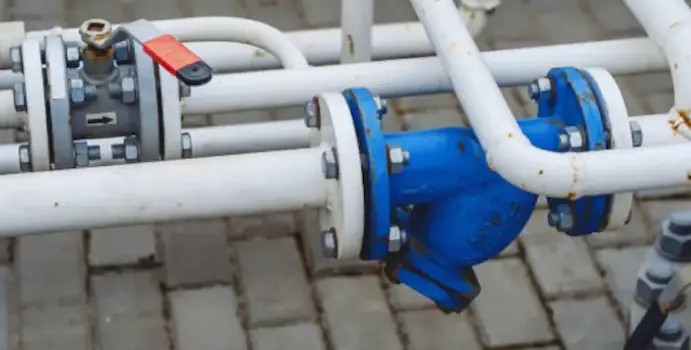
Learn how lift check valves use pressure differential, guided vertical disc movement, gravity, spring force, or back pressure to prevent reverse flow in pressurized pipeline systems. The guide explains lift check valve structure, working principle, horizontal and vertical installation requirements, flow stability, pressure-loss considerations, water-hammer limitations, and key selection factors for steam, oil, gas, boiler feed, refinery, and industrial process applications.
Single Disc vs Double Disc Gate Valves Explained
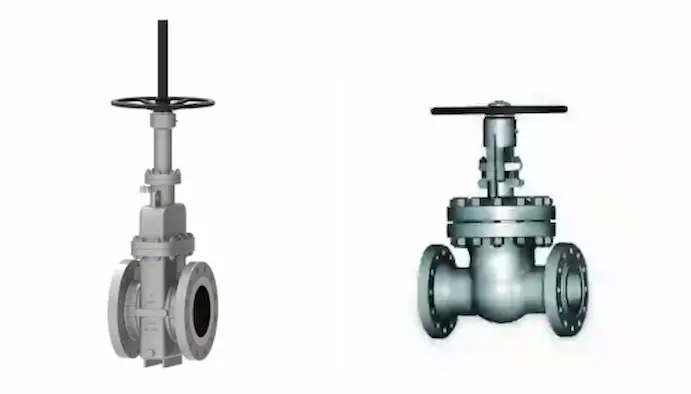
Compare single-disc and double-disc gate valves by disc structure, sealing mechanism, operating torque, pressure sensitivity, maintenance, and application. Single-disc gate valves offer a simpler, lower-cost design for stable high-pressure and high-temperature service, while double-disc designs provide better low-pressure and bidirectional sealing for water supply, wastewater, and other pipeline isolation systems.