Quick Summary: Soft seat and metal seat ball valves use different sealing principles and are selected for different service conditions. Soft seated ball valves use non-metallic seats such as PTFE, RPTFE, PEEK or other engineered polymers to provide tight shutoff, lower operating torque and good performance in clean, compatible media. Metal seated ball valves use metal-to-metal contact with hard-facing or coated seating surfaces and are commonly considered for high temperature, abrasive media, slurry, steam, thermal oil, severe service or fire-safe applications. Neither design is universally better. Selection should consider temperature, pressure, medium, particles, corrosion, leakage class, operating torque, seat material, coating, fire-safe requirement and maintenance expectations.
Soft seat vs metal seat ball valve selection is not a simple good-or-better decision. The right seat design depends on the fluid, temperature, pressure, required shutoff, particles in the media, corrosion risk, fire-safe requirement, actuator torque and maintenance plan.
In clean compatible service, a soft seated ball valve may provide tighter shutoff and easier operation. In high-temperature or abrasive service, a metal seated ball valve may be the safer engineering choice. The final decision should be based on the full valve datasheet, not only the seat name.

What Is a Soft Seated Ball Valve?
A soft seated ball valve uses resilient or polymer seat materials to seal against the ball surface. Common seat materials include PTFE, RPTFE, PEEK, reinforced polymers and other specified sealing materials. These seats can deform slightly under load, helping the valve achieve tight shutoff in suitable service conditions.
Soft seated designs are often selected for clean water, air, gas, compatible chemicals and general isolation service where tight shutoff and lower operating torque are important. For example, a PTFE seated ball valve may be considered when the media, temperature and pressure are compatible with PTFE seating materials.
The limitations are just as important as the advantages. Soft seats can be affected by temperature, pressure, chemical compatibility, abrasion, seat deformation and repeated cycling. If the media contains hard particles or the temperature is above the seat material limit, a soft seat may wear, deform or lose sealing reliability.
What Is a Metal Seated Ball Valve?
A metal seated ball valve uses metal-to-metal seating contact between the ball and seat. The sealing surfaces may use hard-facing, coating, spraying, lapping or other surface treatments depending on the service. The goal is to improve resistance to heat, particles, erosion and severe operating conditions.
Metal seated ball valves are commonly considered for high temperature, abrasive media, slurry, steam, thermal oil and other severe service applications. A metal seated ball valve can be useful where a polymer seat would be damaged by heat or wear.
Metal seated valves usually have higher operating torque than soft seated valves. Their leakage class and sealing performance must be specified and tested. They should not be assumed to be bubble-tight unless the required standard, test method and acceptance criteria are clearly defined.
Soft Seat vs Metal Seat Ball Valve: Main Differences
| Comparison Factor | Soft Seated Ball Valve | Metal Seated Ball Valve |
|---|---|---|
| Seat material | PTFE, RPTFE, PEEK, reinforced polymer or other engineered soft seat | Metal seat with hard-facing, coating or treated sealing surface |
| Sealing principle | Resilient seat deforms against the ball to support tight shutoff | Metal-to-metal contact relies on surface finish, coating, load and lapping quality |
| Shutoff performance | Often suitable for tight shutoff in clean compatible media | Can provide controlled leakage performance, but leakage class must be specified |
| Typical leakage class | Depends on valve standard, seat material, pressure, temperature and test method | Depends on seat coating, design, test method and specified leakage class |
| Temperature resistance | Limited by seat material | Often selected for higher temperature service |
| Abrasion resistance | Limited when particles or slurry are present | Often better for abrasive or particle-containing service when coating is suitable |
| Operating torque | Usually lower, which can help manual operation and actuator sizing | Usually higher, especially under high pressure or severe service |
| Fire-safe consideration | Possible when the valve has tested fire-safe construction and secondary sealing | May be suitable for fire-risk or high-temperature service, but compliance still depends on design and testing |
| Media suitability | Clean, compatible liquids and gases | High temperature, abrasive media, slurry, steam, thermal oil or severe service |
| Maintenance consideration | Seat damage, swelling, deformation or chemical attack should be reviewed | Coating wear, lapping quality, torque increase and seat surface damage should be reviewed |
| Cost tendency | Usually lower for standard service | Usually higher because of materials, machining, coating and testing |
| Main buyer risk | Selecting a soft seat without checking temperature, particles or compatibility | Assuming every metal seated valve has tight shutoff without specifying leakage class |
Quick Selection Guide: Soft Seat or Metal Seat?
| Service Condition | Usually Better Choice | Why | Buyer Check |
|---|---|---|---|
| Clean water, air or compatible gas | Soft seated ball valve | Tight shutoff and low torque may be suitable | Confirm seat material and pressure-temperature limit |
| Chemical service | Project-dependent | Seat compatibility is critical | Confirm media concentration, temperature and material compatibility |
| High temperature service | Metal seated ball valve | Soft seats may lose strength or deform | Confirm temperature, coating, leakage class and torque |
| Steam or thermal oil | Metal seated ball valve, depending on design | High temperature and thermal cycling affect seat choice | Confirm fire-safe and sealing requirements |
| Abrasive slurry or particles | Metal seated ball valve | Hard seating surfaces may resist wear better | Confirm particle size, hardness and flow condition |
| Fire-safe requirement | Fire-safe ball valve design required | Seat design must meet the specified standard | Confirm API 607, API 6FA or project requirement if applicable |
| Low operating torque automation | Soft seated ball valve may be easier | Lower torque can reduce actuator size | Confirm breakaway torque and service condition |
Leakage Class and Shutoff Expectations
Soft seated ball valves are often selected when tight shutoff is required, but actual shutoff depends on seat material, pressure, temperature, valve standard and test method. A soft seat that performs well in clean compatible service may not maintain the same result in hot, abrasive or chemically incompatible media.
Metal seated ball valves are generally not assumed to be bubble-tight unless this requirement is specified and verified by testing. For severe service, acceptable leakage may need to be evaluated together with temperature, particles, seat coating, pressure drop and operating cycle.
For quotation and inspection, the leakage class should be stated clearly in the technical datasheet. If the project has a strict seat test requirement, refer to the relevant procedure and acceptance criteria. Our Valve Pressure Test Methods guide explains common shell and seat test concepts.
Ball Valve Seat Material Selection
| Seat / Sealing Material | Typical Use | Key Caution |
|---|---|---|
| PTFE | Clean water, air, gas and compatible chemical service | Limited temperature and abrasion resistance; chemical compatibility still needs review |
| RPTFE | Applications needing improved strength compared with pure PTFE | Temperature, pressure and media compatibility still define the real limit |
| PEEK | Selected service needing higher strength or higher temperature capability than PTFE | Higher cost and compatibility must be confirmed against actual media |
| Metal seat with hard coating | High temperature, abrasive or severe service | Leakage class, coating, torque, surface finish and lapping quality must be checked |
| Elastomer-assisted design | Selected sealing or backup sealing function | Temperature, swelling, compression set and chemical compatibility must be reviewed |
Seat material should be selected together with the body, ball, stem and trim package. For broader material review, see our Valve Trim Materials Selection Guide.
Fire-Safe Design: Soft Seat and Metal Seat Considerations
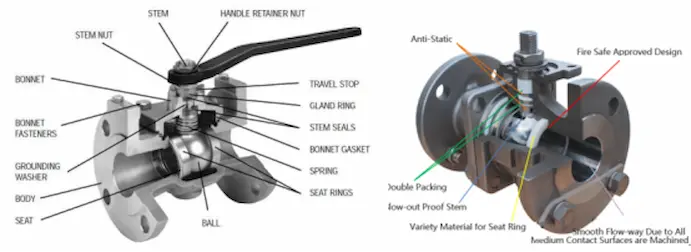
Fire-safe ball valve performance is not determined by the words soft seat or metal seat alone. Many fire-safe soft seated ball valves use a primary soft seat for normal operation and a secondary metal-to-metal sealing path after soft seat damage. Metal seated ball valves may be suitable for high-temperature and fire-risk services, but fire-safe compliance still depends on valve design and testing.
Buyers should confirm the required standard, such as API 607, API 6FA or the project specification if applicable. If fire-safe compliance is required, it should be written into the quotation request and supported by the correct test certificate. For oil, gas and chemical projects, a Fire Safe Ball Valve should be reviewed by design, seat structure, anti-static requirement and test documentation.
Operating Torque and Actuator Selection
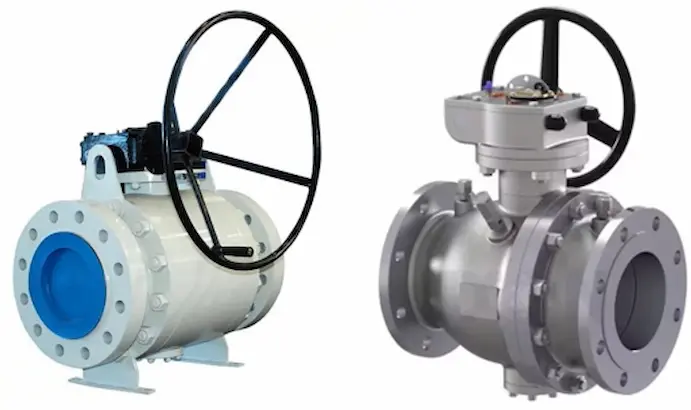
Seat selection affects operating torque. Soft seated ball valves often require lower torque in suitable clean service, while metal seated ball valves may require higher torque because of seat loading, coating friction, pressure, temperature and particles. Automated valves should not be selected only by nominal size.
For pneumatic or electric actuation, confirm breakaway torque, running torque, maximum differential pressure, safety factor, operating frequency and available air or power supply. The Valve Actuator Torque Sizing Guide is a useful reference when comparing manual and automated ball valve packages.
Information Buyers Should Provide Before Quotation
For seat selection, incomplete service information can lead to wrong sealing material, excessive torque, seat deformation, leakage or shortened service life. Buyers should provide:
- Valve type, size, DN/NPS and quantity
- Pressure rating, Class/PN, operating pressure and design pressure
- Medium, concentration and corrosion condition
- Operating temperature, design temperature and temperature cycling
- Clean media, particles, slurry or abrasive content
- Required shutoff or leakage class
- Soft seat or metal seat preference if already specified
- Seat material requirement, such as PTFE, RPTFE, PEEK or metal seat coating
- Body, ball, stem and trim material requirements
- Coating, hard-facing or surface treatment requirement
- Fire-safe and anti-static requirement if applicable
- End connection and face-to-face standard
- Operation method: lever, gearbox, pneumatic actuator or electric actuator
- Actuator torque requirement if automated
- Applicable valve standard, material certificate and pressure test requirement
For a soft seated or metal seated ball valve quotation, send the medium, temperature, pressure, seat requirement and leakage expectation through our contact page. Vcore Valve can review seat material, torque, fire-safe requirement and test documents before quotation.
FAQ
What is the difference between a soft seat and metal seat ball valve?
A soft seated ball valve uses a polymer or resilient seat such as PTFE, RPTFE or PEEK. A metal seated ball valve uses metal-to-metal seating surfaces, often with hard-facing or coating for high temperature, abrasive or severe service.
Which is better, soft seat or metal seat ball valve?
Neither design is universally better. Soft seats are often better for clean compatible media requiring tight shutoff and lower torque. Metal seats are often better for high temperature, abrasive media, slurry or severe service.
Are soft seated ball valves bubble-tight?
Soft seated ball valves are often selected for tight shutoff, but bubble-tight performance depends on seat material, pressure, temperature, valve standard and test method. The requirement should be specified in the datasheet.
Are metal seated ball valves suitable for high temperature?
Metal seated ball valves are commonly considered for high temperature service because metal seating surfaces can tolerate conditions that may damage polymer seats. The actual limit depends on materials, coating, leakage class and valve design.
Can a soft seated ball valve be fire-safe?
Yes, a soft seated ball valve can be fire-safe if the valve has a tested fire-safe design, often with secondary metal-to-metal sealing after soft seat damage. Buyers should confirm API 607, API 6FA or the project requirement if applicable.
Which ball valve seat is better for slurry or abrasive media?
Metal seated ball valves are often selected for slurry or abrasive media because hard seating surfaces may resist wear better. Particle size, hardness, flow velocity, coating and acceptable leakage class should still be checked.
What information is needed to quote a soft or metal seated ball valve?
Provide valve size, pressure rating, medium, temperature, pressure, particles or slurry content, required leakage class, seat material, body/ball/stem material, fire-safe requirement, operation method, actuator torque and test requirements.