
Soft Seat vs Metal Seat Ball Valve Explained
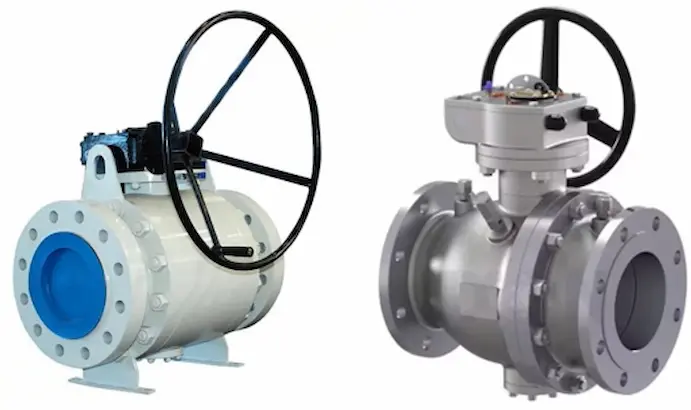
Soft seat vs metal seat ball valve comparison by seat material, leakage class, temperature, media, abrasion resistance, fire-safe design, torque and RFQ requirements.
Eccentric Half Ball Valve Design & Industrial Applications
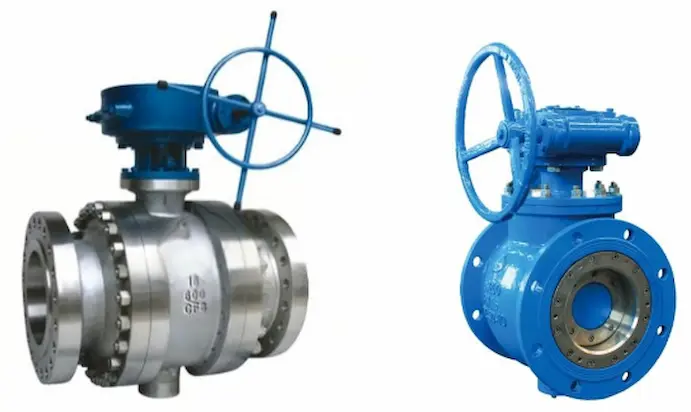
Learn how eccentric half-ball valves use an offset shaft and half-ball closure design to reduce seat rubbing, operating torque, and wear in abrasive, slurry, wastewater, pulp, ash, and solids-containing media. The guide explains the valve’s working principle, metal-seated sealing behavior, self-cleaning action, automation suitability, key selection factors, and differences from standard ball valves and butterfly valves in demanding industrial service.