
Ball Valve for Gasoline Transfer: A Procurement Checklist for Terminals and Pump Stations
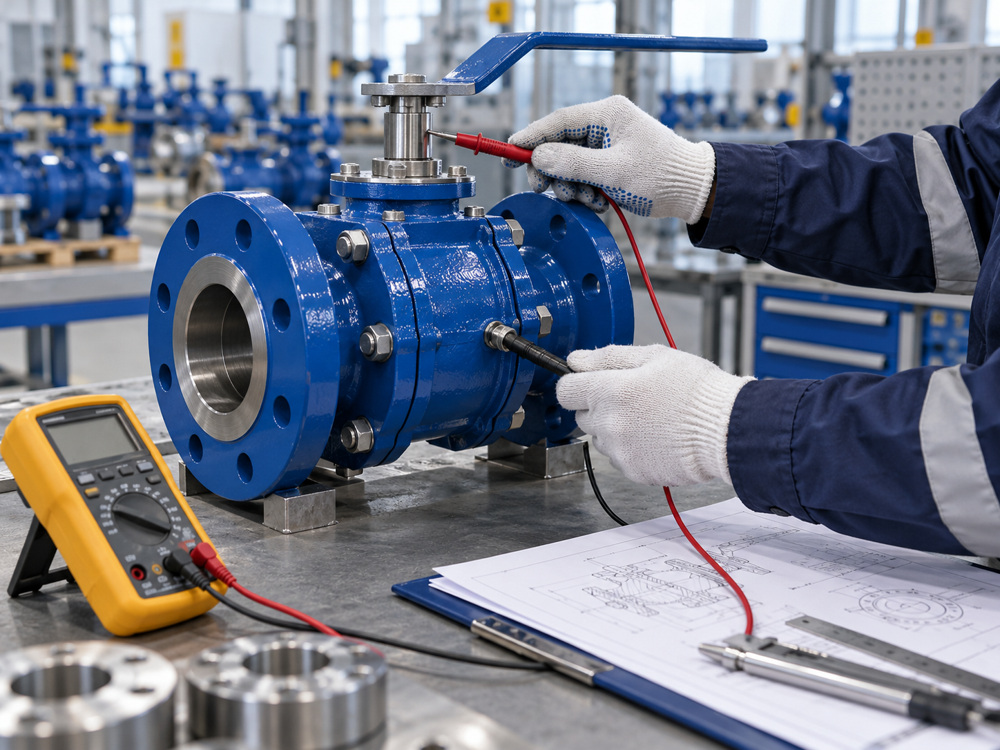
A ball valve for gasoline transfer should be purchased against a defined fuel composition and project duty, not a generic “oil service” description. Confirm the gasoline blend, operating and design conditions, every wetted sealing material, end connections, bore and isolation requirements, operating method, and any specified fire-test, anti-static, hazardous-area and documentation requirements.
Class 900 Trunnion Ball Valve Procurement Guide | Vcore
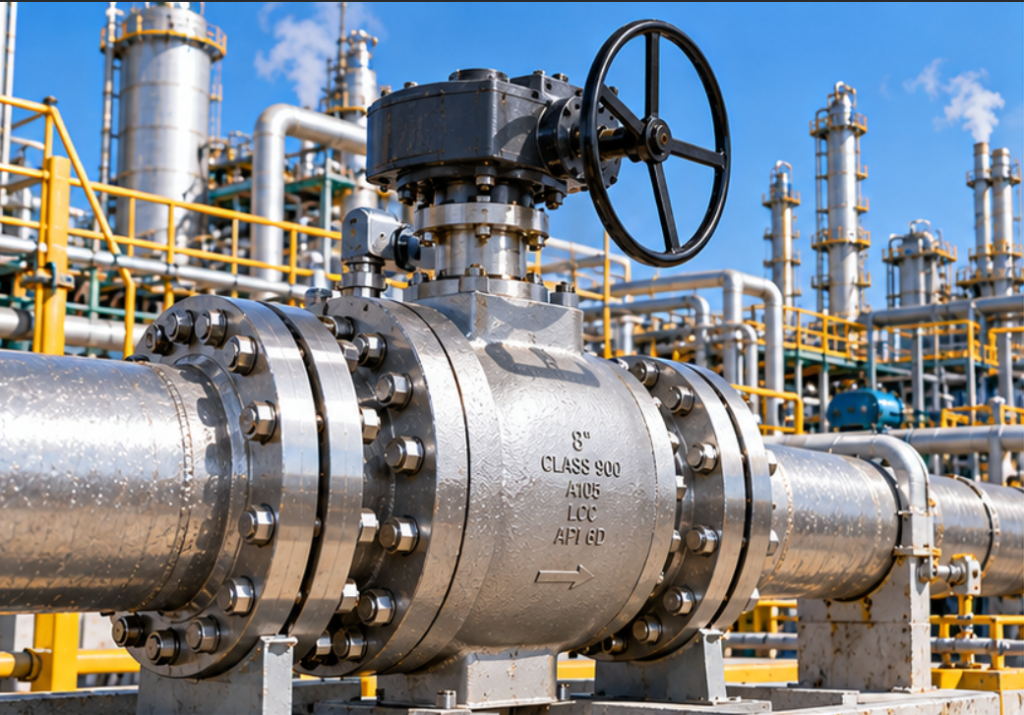
Specify Class 900 trunnion ball valves: pressure-temperature rating, seats, RF/RTJ flanges, API 6D, sour service, fire-safe evidence, tests and RFQ documents.
Anti-Blowout Stem in Ball Valves: Safety Design and Selection Guide
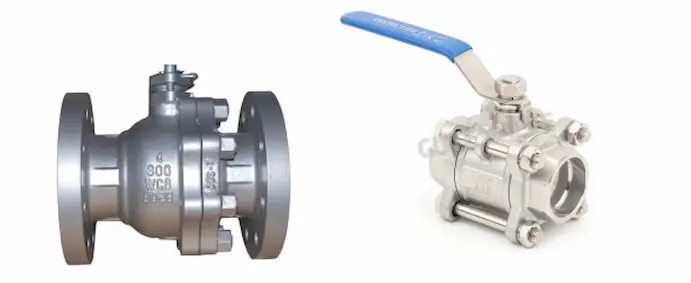
Learn why anti-blowout stems are an essential safety feature in industrial ball valves. The guide explains how an internally retained stem design prevents pressure-driven stem ejection, how floating and trunnion ball valves can incorporate stem retention, and what buyers should verify through cross-section drawings, applicable API or ISO standards, fire-safe requirements, pressure-temperature ratings, material records, and inspection documentation.
Soft Seat vs Metal Seat Ball Valve Explained
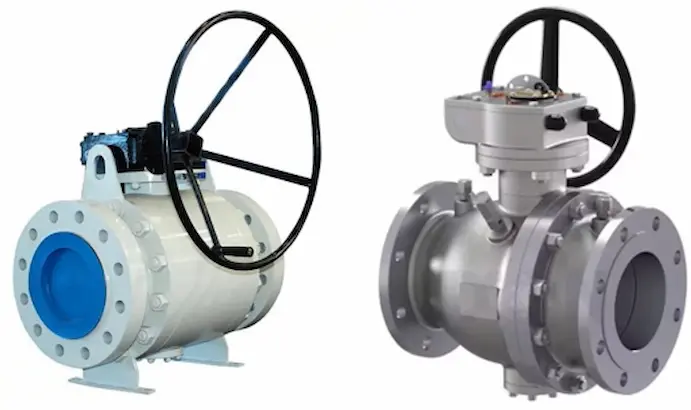
Soft seat vs metal seat ball valve comparison by seat material, leakage class, temperature, media, abrasion resistance, fire-safe design, torque and RFQ requirements.
API 607 vs API 6D Ball Valves: Key Differences Explained
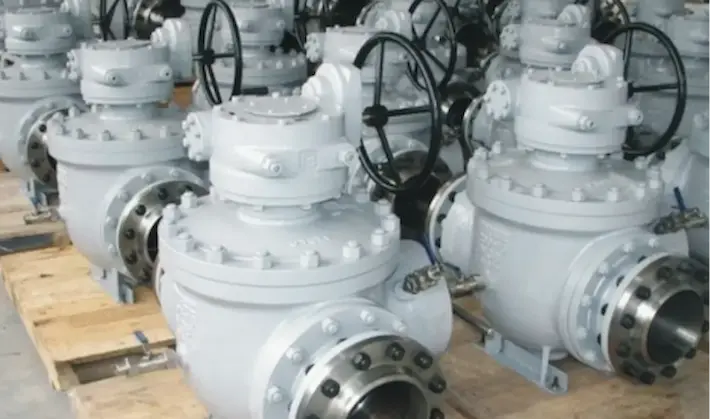
Compare API 607 and API 6D ball valves by standard scope, fire testing, design requirements, inspection, and application. API 607 verifies a quarter-turn valve’s sealing performance during and after fire exposure, while API 6D governs the design, materials, dimensions, testing, and reliability of pipeline valves. For fire-risk transmission pipelines, both API 6D compliance and API 607 fire testing may be required.