
Ball Valve Applications: Water, Gas, Steam, Oil and Chemical Service
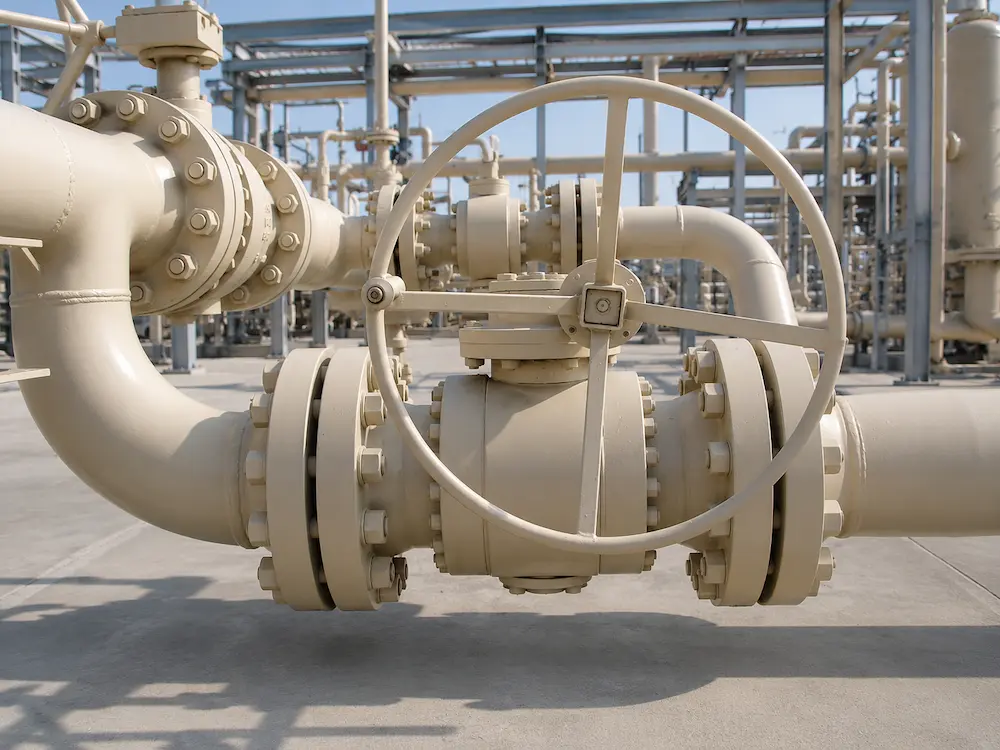
Learn common ball valve applications in water, gas, steam, oil, chemical, utility, and industrial process pipelines, including material, seat, pressure, and operation selection tips.
Stainless Steel Ball Valves for Industrial Applications: Selection Guide
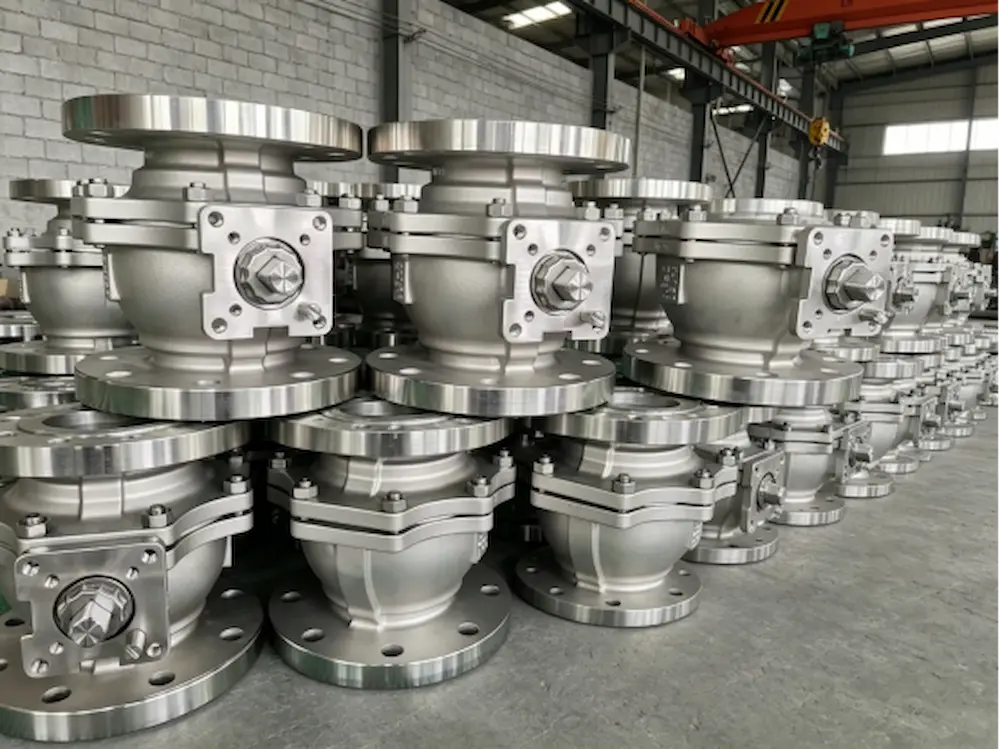
Learn how to choose stainless steel ball valves for industrial applications by material grade, pressure, temperature, seat material, media compatibility, connection, and operation method.
Full Port vs Reduced Port Ball Valve: What Is the Difference?
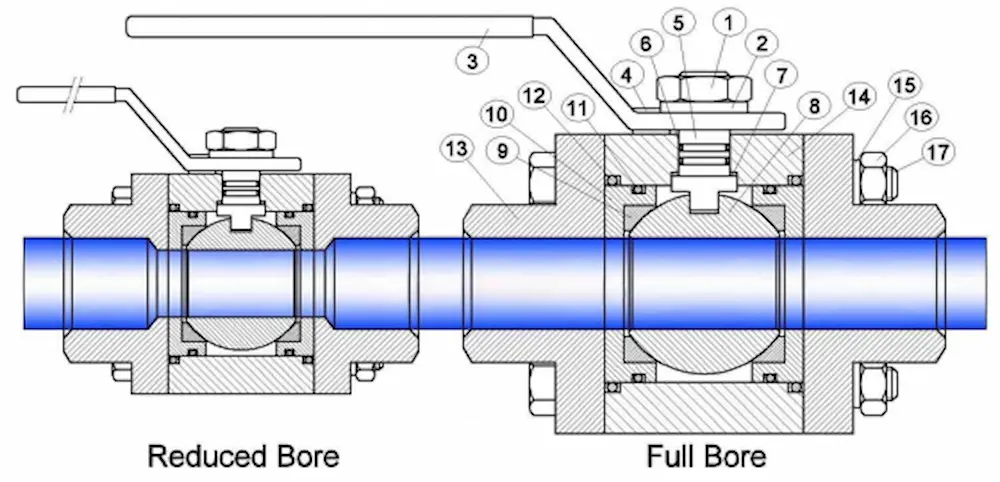
Compare full port and reduced port ball valves by bore size, flow capacity, pressure drop, cost, valve size, applications, and industrial selection requirements.
2-Way vs 3-Way Ball Valve: What Is the Difference?
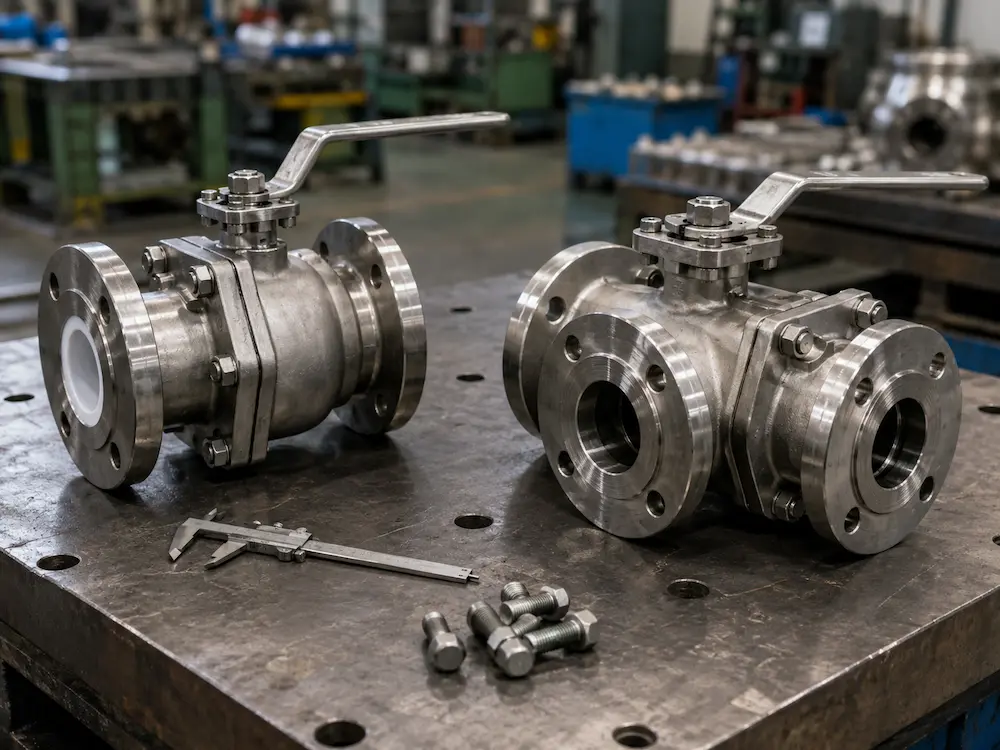
Compare 2-way vs 3-way ball valves by structure, flow path, L-port and T-port design, shutoff function, flow routing, automation, applications, and selection requirements.
Industrial Ball Valves: 12 Best Types, Materials and Selection Tips
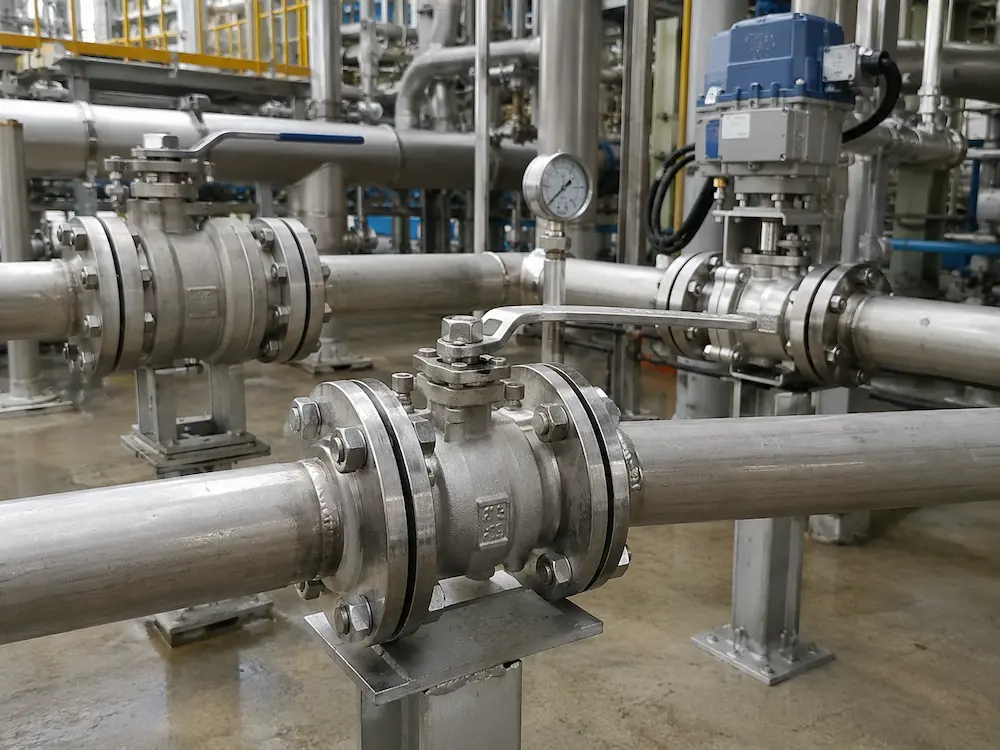
Learn how to choose industrial ball valves by valve type, material, seat design, port type, connection, pressure, temperature, media, automation, and application.
API 608 Ball Valves Guide: Standard Scope, Testing, Materials and Selection
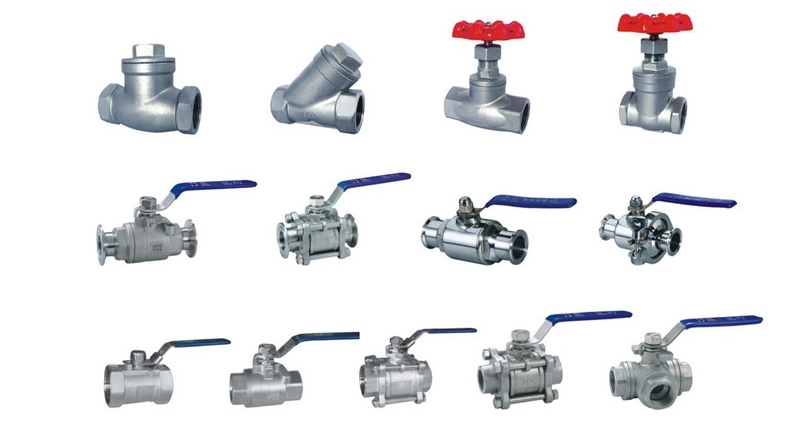
Learn what API 608 ball valves are, where they are used, and how to specify them for petroleum, petrochemical, chemical, refinery, utility, and general industrial pipeline applications. This guide explains API 608 scope, metal ball valve end connections, pressure classes, material selection, API 598 pressure and leakage testing, API 607 fire-safe options, API 608 vs API 6D differences, full-bore and reduced-bore selection, documentation requirements, and common mistakes buyers should avoid when sourcing API 608 ball valves.
The Full Port Ball Valve vs. Standard Ball Valves: Which Delivers Better Industrial Performance?
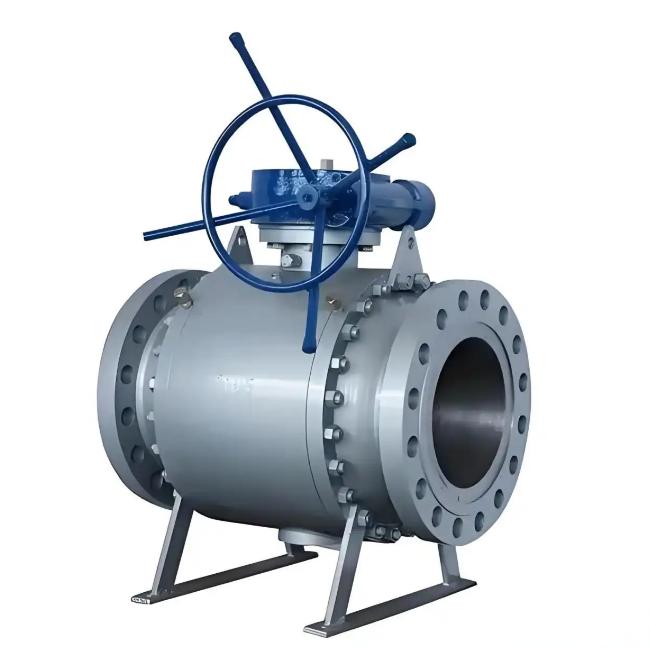
Compare full-port and standard ball valves by bore diameter, flow capacity, pressure loss, pigging compatibility, installation size, and cost. Full-port ball valves provide an unrestricted flow path for high-flow, long-distance, and critical industrial pipelines, while standard reduced-port valves offer a more compact and economical option for low-flow, non-critical water, air, and general piping systems.
Low-Torque Ball Valves for Automation: Torque, Actuator Sizing and Selection
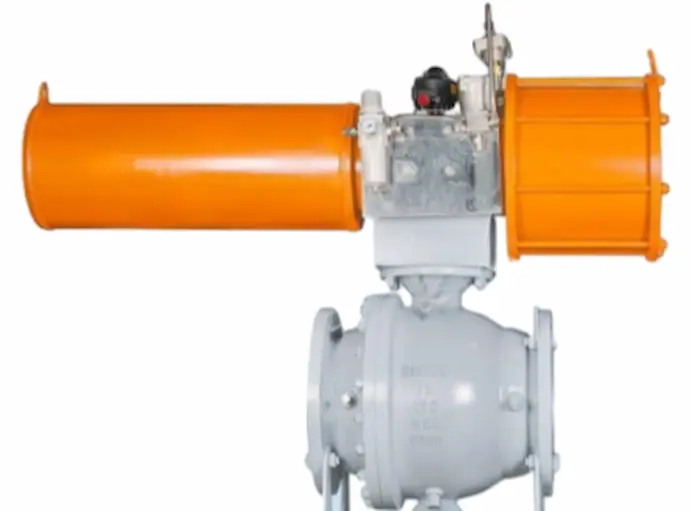
Learn why low-torque ball valves are important for pneumatic and electric automation systems. The guide explains how seat friction, ball surface finish, stem design, bearing support, pressure differential, media conditions, and torque consistency affect actuator sizing, air or power consumption, cycling reliability, positioning stability, and long-term performance in automated industrial valve packages.
PTFE vs PEEK: Choosing the Right Ball Valve Seal
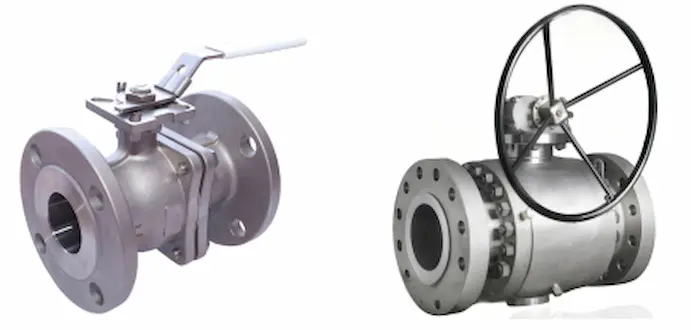
Compare PTFE and PEEK ball valve seats by chemical resistance, temperature capability, pressure resistance, wear performance, operating torque, and cost. PTFE seats are economical and highly resistant to aggressive chemicals in moderate-temperature service, while PEEK seats provide greater mechanical strength, dimensional stability, and durability for high-pressure, high-temperature, and severe industrial applications.
Anti-Blowout Stem in Ball Valves: Safety Design and Selection Guide
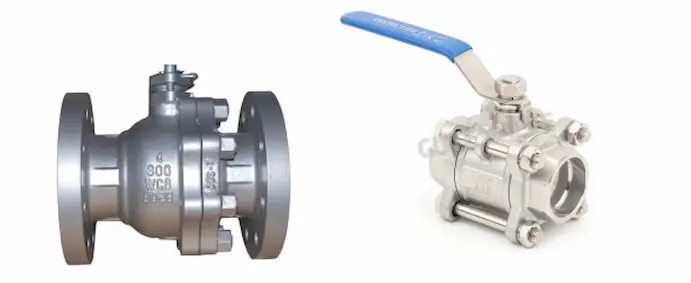
Learn why anti-blowout stems are an essential safety feature in industrial ball valves. The guide explains how an internally retained stem design prevents pressure-driven stem ejection, how floating and trunnion ball valves can incorporate stem retention, and what buyers should verify through cross-section drawings, applicable API or ISO standards, fire-safe requirements, pressure-temperature ratings, material records, and inspection documentation.
How to Tell If a Ball Valve Is Open or Closed: Position Indicator Guide
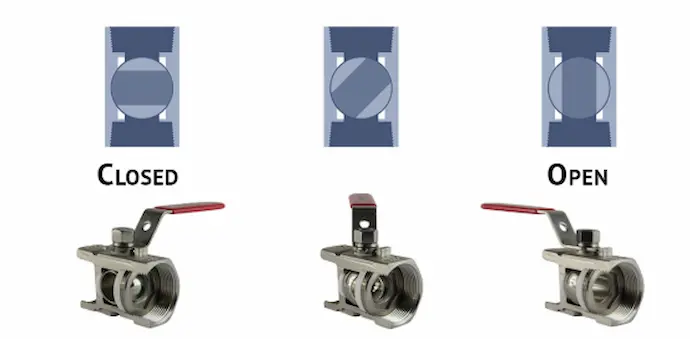
Learn how to determine whether a ball valve is open or closed by checking handle alignment, stem-slot direction, gear-operator indicators, actuator feedback, and valve documentation. The guide explains common causes of position misjudgment, why handle position alone can be misleading after maintenance or reassembly, and how clear marking, lockable handles, operator training, and reliable position indication improve safe valve operation and isolation.
Soft Seat vs Metal Seat Ball Valve Explained
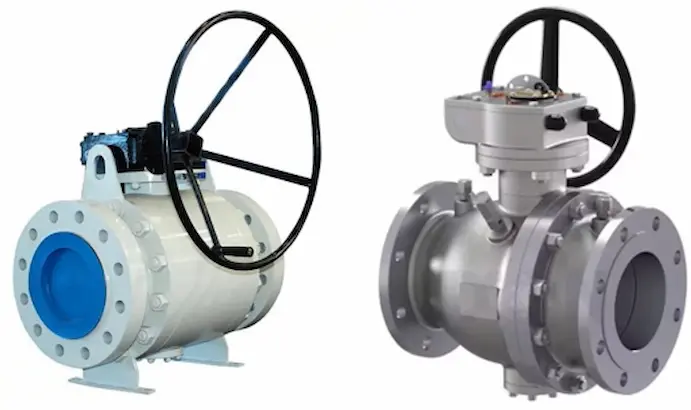
Soft seat vs metal seat ball valve comparison by seat material, leakage class, temperature, media, abrasion resistance, fire-safe design, torque and RFQ requirements.