Quick Summary
Key Product Features
- Project-confirmed selection: Metal Seated Ball Valve configuration is reviewed against the actual datasheet.
- Application-focused design: The valve type, sealing method, material and operation method are selected around the service condition.
- Clear documentation path: Drawings, inspection records and certificates can be prepared when listed in the order.
- Practical engineering review: Vcore Valve checks installation details that affect field operation, not only the product name.
Product Overview
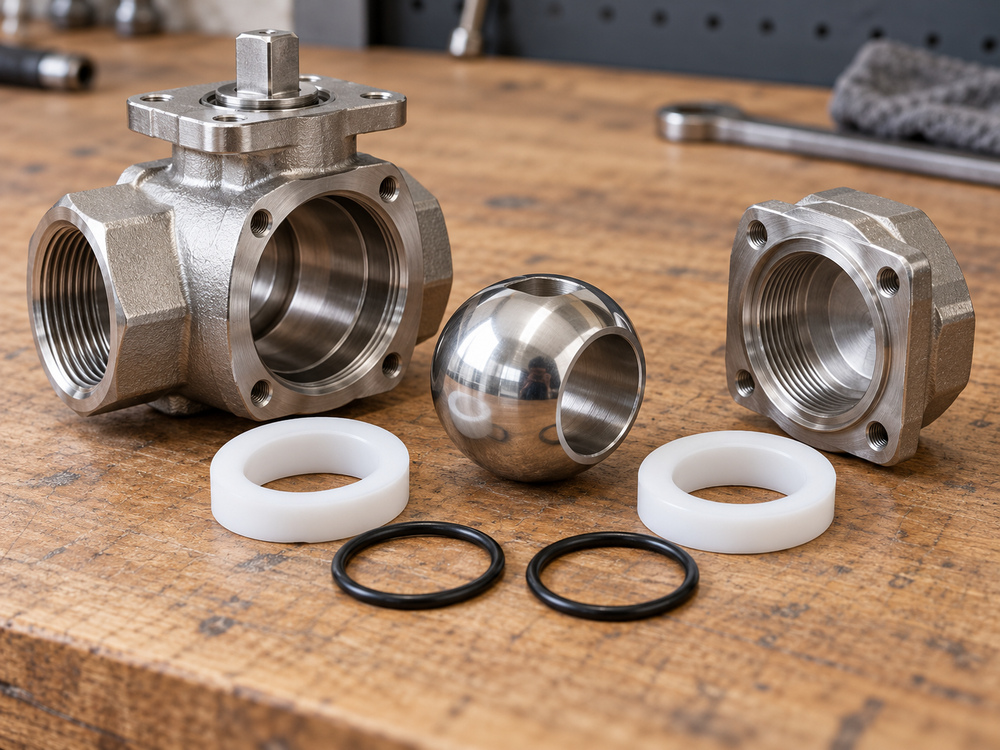
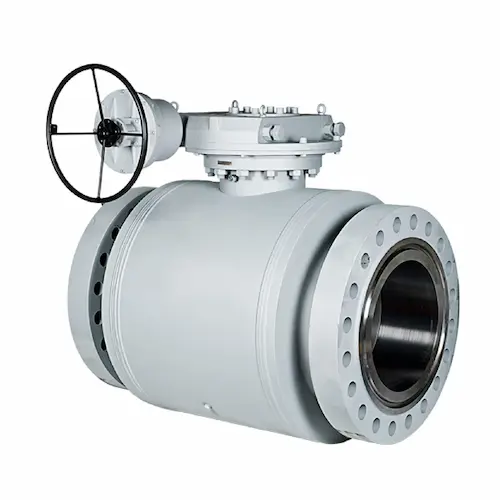
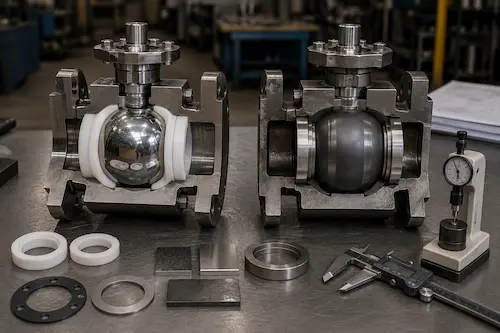
A Metal Seated Ball Valve uses a hard-faced ball and metal seat sealing pair instead of relying on a polymer seat as the primary sealing surface. This construction can improve resistance to heat, erosion and mechanical damage in suitable services, but it also requires careful attention to coating, lapping quality, operating torque and leakage requirement. The product should be specified by datasheet rather than by a generic size or pressure range.
The recommended Metal Seated Ball Valve should be confirmed with medium, pressure-temperature condition, connection requirement, operating method, inspection requirement and site installation details. Vcore Valve uses that information to avoid unsupported assumptions about size range, pressure class, temperature limit, leakage class or standard compliance.
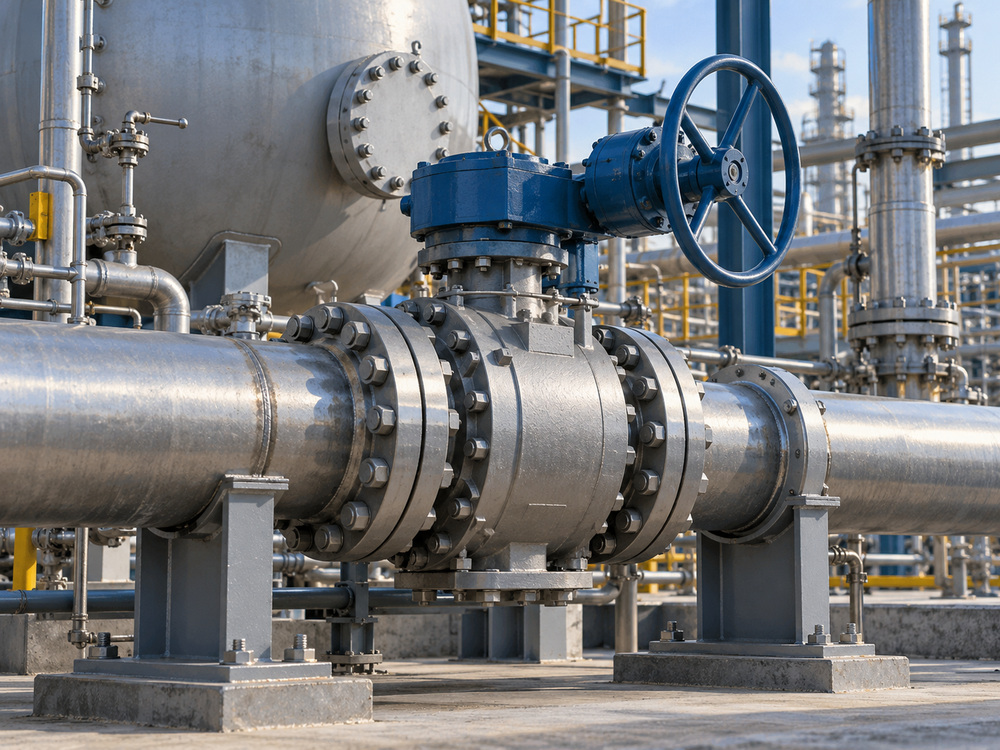
If the main requirement is high-pressure pipeline isolation rather than severe-service seat wear resistance, buyers may also compare this product with our High Pressure Ball Valve.
Product Configuration
| Item | Selection note |
|---|---|
| Valve type | Metal seated ball valve for severe service isolation |
| Seat design | Metal seat and hard-faced ball selected according to duty severity |
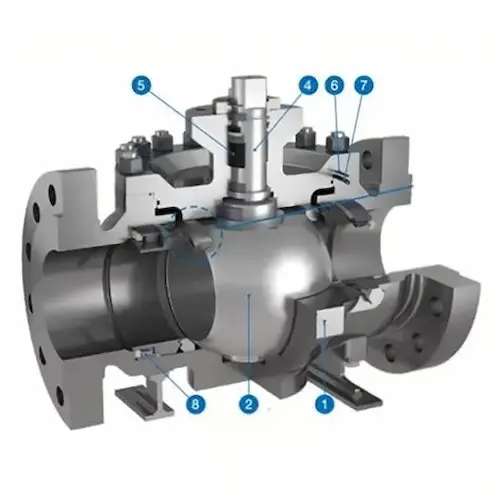
| Body construction | Floating or trunnion design reviewed by size, pressure and torque requirement |
| Coating or hard-facing | Selected according to medium, particles, temperature and wear risk |
| Operation method | Lever, gear, pneumatic or electric actuation after torque review |
| End connection | Flanged, welded or project-specific connection confirmed by datasheet |
Technical Specifications
| Parameter | Project confirmation requirement |
|---|---|
| Size range | Confirmed by selected model and project datasheet |
| Pressure class | Confirmed by body design, end connection and pressure-temperature data |
| Temperature range | Confirmed by material, coating and packing selection |
| Leakage class | Confirmed by seat design and specified inspection requirement |
| Standards reference | Applicable standards are confirmed only for the selected model and documents |
| Documentation | Material, coating, pressure test and inspection records available when specified |
How the Design Works
The Metal Seated Ball Valve must be evaluated as a complete sealing system. Hardness difference between ball and seat, coating thickness, surface finish, lapping process, spring load, packing design and actuator torque all influence field performance. For severe service, Vcore Valve asks for medium, particle size, flow velocity, temperature, pressure, cycling frequency and shut-off expectation before recommending a configuration.
For quotation, Vcore Valve treats the Metal Seated Ball Valve as part of a system. The same product name can require different body materials, sealing materials, connection dimensions, operation methods and inspection documents when the medium, temperature, pressure, cycling frequency or installation position changes.
For buyers comparing soft seated and metal seated designs, see our Soft Seat vs Metal Seat Ball Valve guide.
Product Comparison
| Valve option | Main selection point | Typical review scenario |
|---|---|---|
| Metal seated ball valve | Hard-faced sealing pair for temperature, abrasion or severe duty | Steam, thermal oil, catalyst, powder or abrasive services after review |
| Soft seated ball valve | Polymer seat for lower torque and tight shut-off in clean service | Clean water, gas, oil and general industrial isolation |
| V-port ball valve | Characterized ball for control duty | Modulating service where control range is required |
| Plug valve | Alternative quarter-turn isolation for selected dirty services | Applications where wiping action and body style are preferred |
Selection Checklist
| Checklist item | Why it matters |
|---|---|
| Medium severity reviewed | Particles, crystallization, temperature and corrosion should be stated clearly |
| Torque calculated | Actuator or gearbox must be sized for metal seat friction and service conditions |
| Coating selected | Hard-facing or coating should match erosion and temperature needs |
| Leakage requirement defined | Do not assume a fixed leakage class without test requirement |
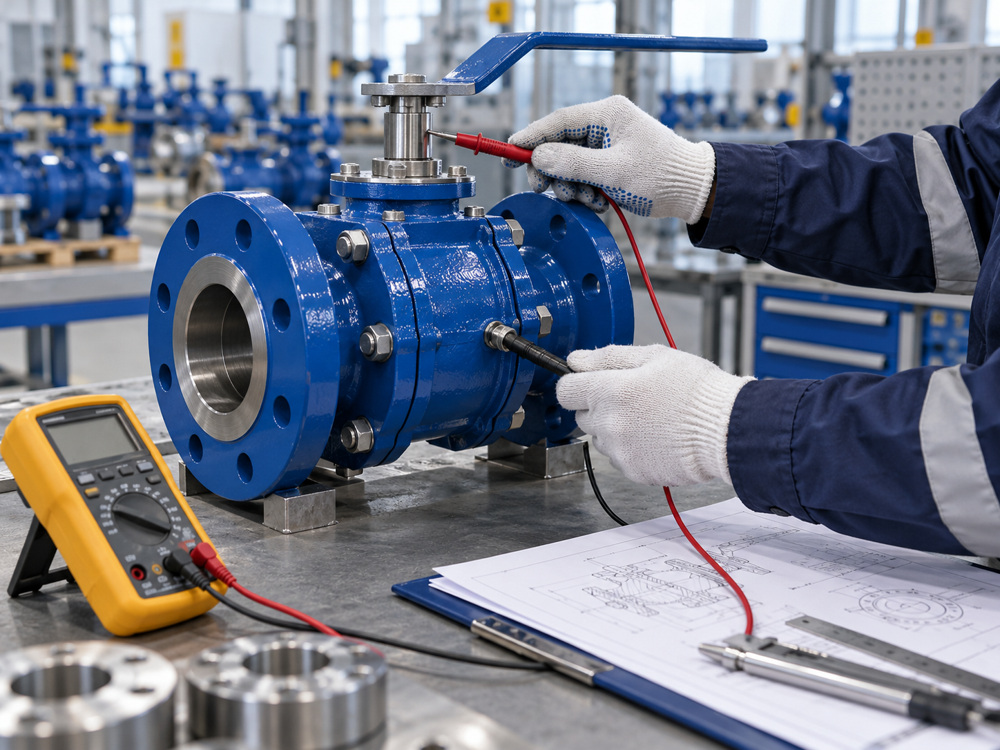
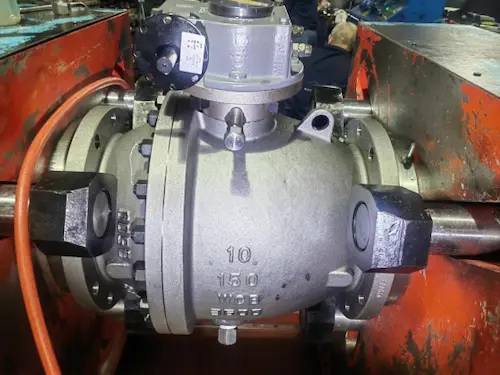
| Inspection documents listed | Coating report, pressure test and material certificate should be specified |
Typical Applications
- High-temperature steam, thermal oil and hot process lines after material review
- Abrasive or particle-bearing service where soft seats may wear quickly
- Powder, catalyst, slurry or severe isolation duties after detailed evaluation
- Industrial pipelines requiring robust quarter-turn isolation
Application Limits
- Not always the lowest-torque or lowest-leakage choice; soft seats may be better for clean moderate service
- Coating and seat selection must match the exact media and temperature
- Very erosive throttling service may require a control valve or special trim rather than simple on-off service
Engineering Notes
Do not select a Metal Seated Ball Valve only from a copied size or pressure range. Old product pages often contain generic ranges that may not match the actual valve model. Vcore Valve confirms the final design from the selected product drawing and customer datasheet before publishing or committing to technical values.
Ordering Workflow
| Step | Action |
|---|---|
| 1 | Send medium, pressure-temperature data, pipe size and connection requirement |
| 2 | Confirm valve type, material, seat design and operation method |
| 3 | Review drawing, datasheet and inspection requirement |
| 4 | Confirm commercial terms, production schedule and document package |
| 5 | Inspect, pack and ship according to confirmed order requirements |
Why Work With Vcore Valve
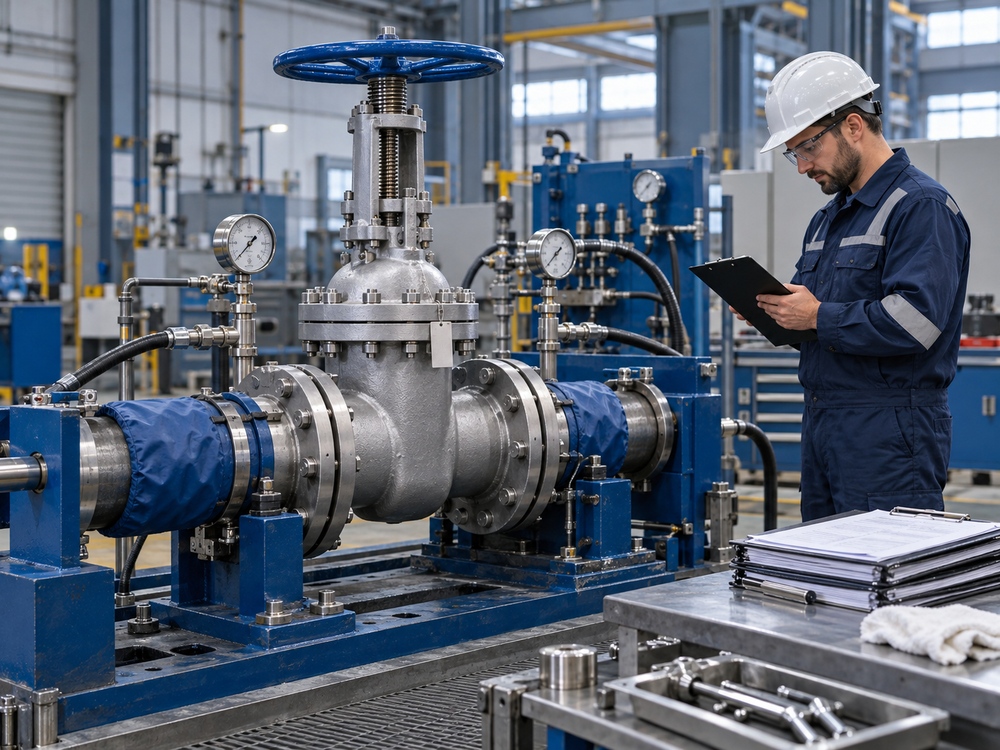
Vcore Valve helps industrial buyers turn a product name into a confirmed valve specification. The team reviews the application, checks whether the selected Metal Seated Ball Valve is suitable, and prepares a quotation around the confirmed construction rather than unsupported generic claims.
Inspection and Documentation
| Document or check | Availability |
|---|---|
| Material certificate | Available when specified in the purchase order |
| Pressure test record | Prepared according to confirmed inspection requirement |
| Dimensional drawing | Provided for review when the selected model is confirmed |
| Packing photos | Available before shipment when requested |
| Nameplate and marking | Prepared according to order and applicable document requirements |
Information Required for Quotation
- Valve size or pipe size and connection standard
- Medium composition, temperature and pressure data
- Operation method: manual, gear, pneumatic or electric where applicable
- Material preference and corrosion concerns
- Inspection, documentation and packing requirements
Related Valve Resources
- High Pressure Ball Valve — for high-pressure pipeline isolation where pressure class, end connection and seat design must be confirmed.
- Fire Safe Ball Valve — for oil, gas and chemical services where fire-safe construction may be required.
- Soft Seat vs Metal Seat Ball Valve — explains when metal seat construction is more suitable than soft seat design.
- High Temperature High Pressure Valves — for steam, thermal oil, refinery and severe-service valve selection.
FAQ
What is a Metal Seated Ball Valve used for?
A Metal Seated Ball Valve is used for severe isolation duties where temperature, particles or erosion may damage ordinary soft seats.
Can it be specified for tight shut-off?
Tight shut-off can be reviewed, but the leakage performance must be confirmed by the selected seat design and inspection requirement.
What is the difference between metal seat and soft seat ball valves?
Metal seats improve resistance to heat and wear in suitable duties, while soft seats usually provide lower torque and strong shut-off in clean moderate service.
Why is actuator sizing important?
Metal seat friction and service conditions can increase operating torque, so actuator or gearbox sizing must be reviewed before supply.
What data is needed for quotation?
Medium, particles, pressure-temperature data, end connection, operation method, leakage requirement and inspection documents should be provided.
Practical Takeaway
A reliable Metal Seated Ball Valve selection starts with the service data. Send Vcore Valve the project datasheet, and the team will review materials, sealing design, connection details, operation method and inspection documents before confirming the final offer.