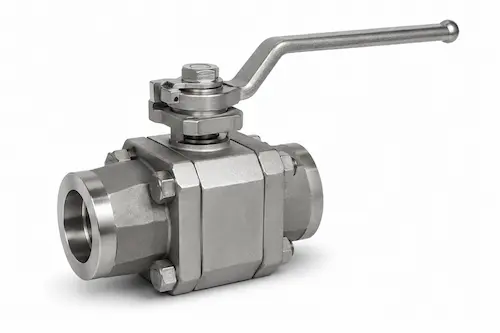
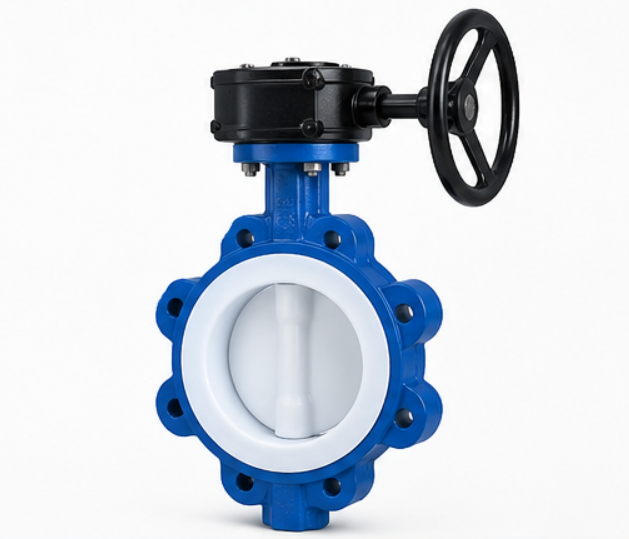
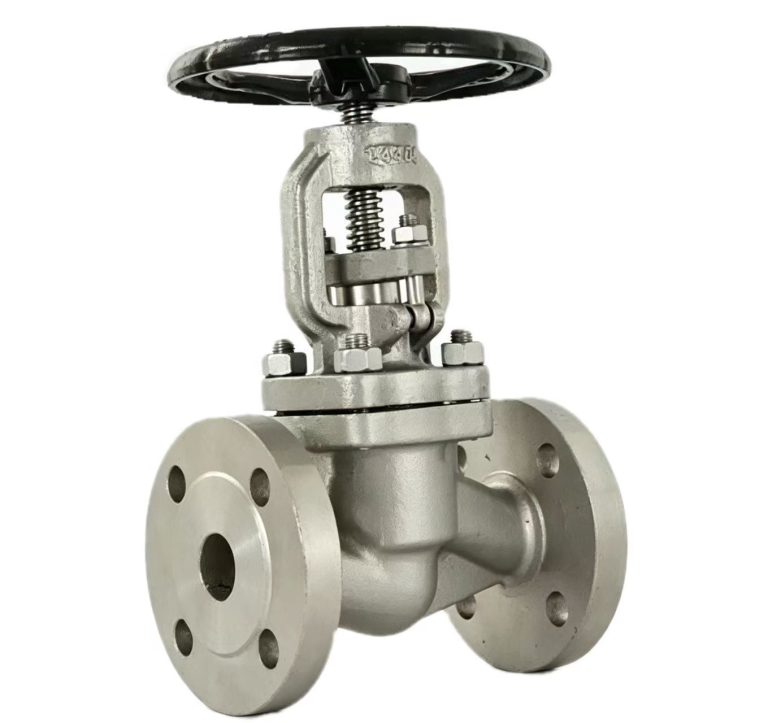
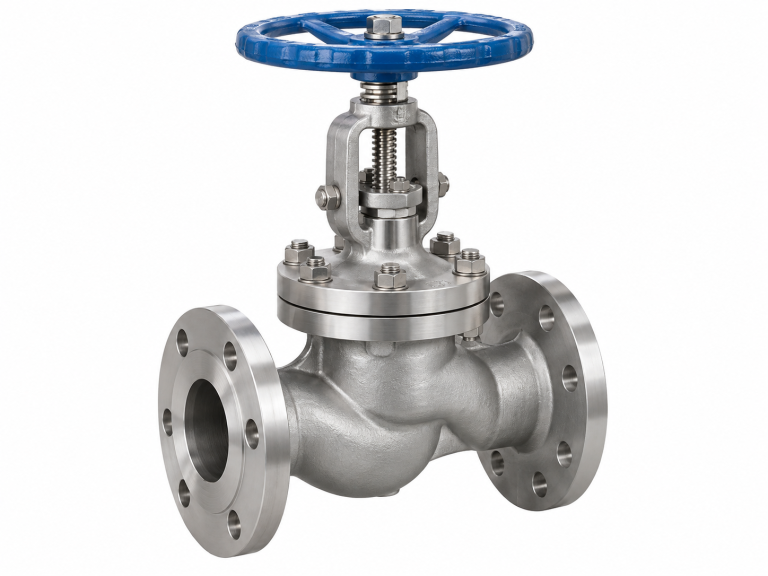
Key Product Features
- Designed for high-pressure industrial pipeline isolation
- Forged steel, cast steel, stainless steel and alloy body options
- Floating-ball or trunnion-mounted construction according to size and pressure
- Full-bore or reduced-bore flow passage
- Soft-seat, high-temperature polymer seat or metal-seat configurations
- Flanged, socket-weld, butt-weld and threaded connection options
- Blowout-resistant stem construction available by selected design
- Manual, gearbox, pneumatic, electric or hydraulic operation
- Pressure testing, seat leakage testing, PMI and material certification available when specified
Product Configuration
| Configuration Item | Common Configuration | Optional Configuration |
|---|---|---|
| Valve Design | Two-way on-off ball valve | Floating-ball or trunnion-mounted construction |
| Body Construction | Forged or cast body | Two-piece, three-piece, split-body or top-entry structure |
| Pressure Class | Selected according to approved product series | Class 600, Class 900, Class 1500 or higher ratings when supported by design |
| End Connection | Flanged or welded ends | Socket weld, butt weld, threaded or project-specific connection |
| Seat Type | RPTFE or high-performance soft seat | PEEK, PPL, PCTFE or metal seat |
| Operation | Lever or gearbox | Pneumatic, electric or hydraulic actuator |
What Makes a Ball Valve “High Pressure”?
A high pressure ball valve is not defined only by product name. The pressure capability depends on the pressure-containing body, end connection, wall thickness, body material, seat design, stem design, bolting, temperature and applicable pressure-temperature rating.
For example, a small forged socket-weld ball valve and a large trunnion-mounted flanged ball valve may both be used in high-pressure systems, but their structures, torque requirements and maintenance considerations are different. The correct selection should be based on the actual working pressure, design pressure, temperature, medium and pipeline standard.
Technical Specifications
| Specification Item | Typical / Available Options |
|---|---|
| Product Type | High pressure ball valve |
| Primary Function | On-off isolation and emergency shutoff |
| Ball Support | Floating ball or trunnion mounted, depending on size and pressure |
| Body Construction | Forged body, cast body, two-piece, three-piece, split-body or top-entry design |
| Size Range | According to selected forged, flanged, welded or trunnion-mounted product series |
| Pressure Rating | According to body construction, end connection, material and approved pressure-temperature rating |
| Body Material | A105, LF2, WCB, LCB, F304, F316, F51, alloy steel or project-specified material |
| Ball Material | Stainless steel, alloy steel, duplex stainless steel or coated material |
| Stem Material | Stainless steel, alloy steel, duplex stainless steel or project-specified material |
| Seat Material | RPTFE, PEEK, PPL, PCTFE, metal seat or project-specified seat material |
| Packing | PTFE, graphite, flexible graphite or low-emission packing system |
| Port Design | Full bore or reduced bore |
| End Connection | Flanged, socket weld, butt weld, threaded or project-specific connection |
| Operation | Lever, gearbox, pneumatic actuator, electric actuator or hydraulic actuator |
| Design Reference | API 608, API 6D, ASME B16.34 or approved project specification where applicable |
| Testing Reference | API 598, API 6D, EN 12266 or approved inspection specification where applicable |
| Typical Media | Oil, natural gas, process gas, hydraulic oil, steam, condensate, thermal oil, chemical media and industrial utilities |
Technical note: Do not publish a fixed maximum pressure, temperature or size unless it is confirmed from the selected product datasheet and approved drawing. High-pressure suitability must be checked together with pressure class, temperature, material, end connection and seat design.
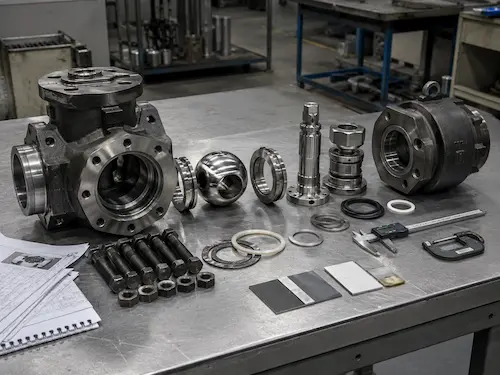
Floating Ball vs Trunnion-Mounted High Pressure Design
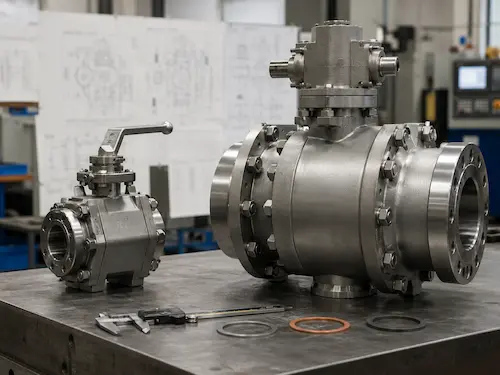
Floating-ball valves are often used in smaller sizes and moderate high-pressure ranges. The ball is supported mainly by the seats. As pressure increases, seat load and operating torque also increase, so the valve size, pressure class and seat material must be checked carefully.
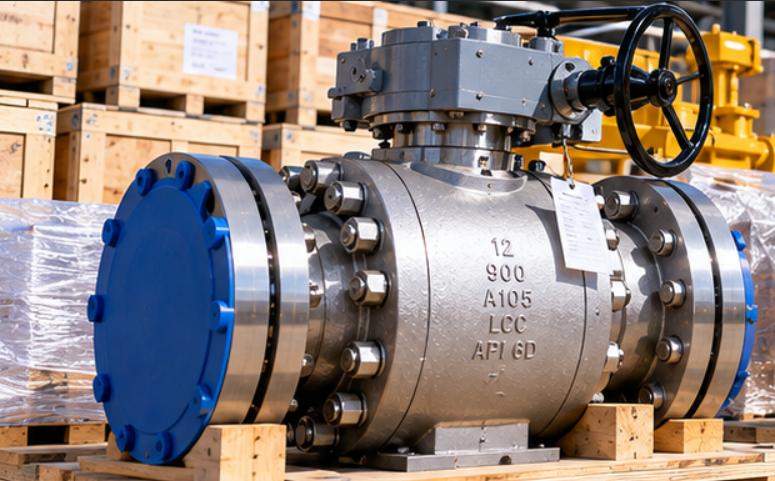
Trunnion-mounted ball valves support the ball mechanically at the top and bottom. This design reduces seat load and operating torque in larger or higher-pressure valves. It is commonly used for pipeline service, larger sizes and demanding oil and gas applications.
| Design Type | Main Advantage | Typical Use |
|---|---|---|
| Floating High Pressure Ball Valve | Compact structure and reliable shutoff in suitable smaller sizes | Small and medium high-pressure utility, hydraulic and process lines |
| Trunnion-Mounted High Pressure Ball Valve | Lower operating torque and better support for larger high-pressure service | Oil, gas, pipeline and larger industrial isolation systems |
| Top-Entry Ball Valve | Internal maintenance from the top side of the valve body | Pipeline systems where inline maintenance access is important |
For larger pipeline isolation, compare our Forged Trunnion Ball Valve.
Materials and Seat Options
| Component | Common Options | Selection Consideration |
|---|---|---|
| Body | A105, LF2, WCB, LCB, F304, F316, F51, alloy steel | Pressure class, temperature, corrosion, impact toughness and project standard |
| Ball | SS304, SS316, duplex stainless steel, coated alloy or hard-faced material | Surface finish, hardness, corrosion resistance and sealing load |
| Stem | SS304, SS316, 17-4PH, duplex or alloy steel | Torque transmission, pressure load, corrosion and mechanical strength |
| Seat | RPTFE, PEEK, PPL, PCTFE or metal seat | Pressure, temperature, cycling frequency, media compatibility and leakage requirement |
| Packing | PTFE, graphite, flexible graphite or low-emission packing | Temperature, stem cycling, fugitive-emission requirement and fire-safe design |
| Body Seal | PTFE, graphite, spiral-wound gasket or project-specific seal | Body construction, temperature, pressure cycling and fire-safe requirement |
| Bolting | Stainless steel, alloy steel or project-specified bolting | Pressure class, temperature, corrosion and strength requirement |
High Pressure Seat Selection
In high-pressure service, seat material is critical. Seat deformation, extrusion, temperature resistance, chemical compatibility and operating torque must be considered together. A stronger body does not make the valve suitable if the seat material is not compatible with pressure, temperature and medium.
| Seat Type | Main Strength | Important Limitation |
|---|---|---|
| RPTFE | Improved mechanical strength compared with standard PTFE | Temperature and chemical compatibility still require confirmation |
| PEEK | High mechanical strength for demanding pressure and temperature conditions | Higher cost and media compatibility must be reviewed |
| PPL | Suitable for selected higher-temperature service | Actual rating depends on pressure, medium and product design |
| PCTFE | Useful dimensional stability and low-temperature properties | Final suitability depends on pressure, temperature and media |
| Metal Seat | Suitable for selected high-temperature, abrasive or severe service | Higher torque, leakage class and surface coating must be specified |
Connection Options for High Pressure Service
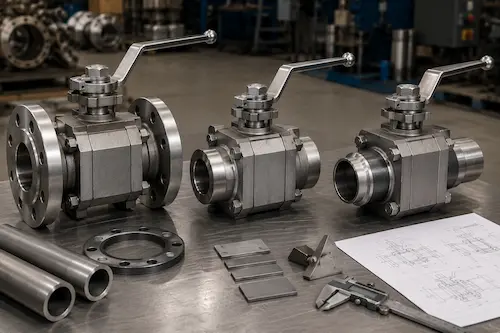
| Connection Type | Main Advantage | Typical Use |
|---|---|---|
| Flanged High Pressure Ball Valve | Removable bolted connection for inspection and replacement | Industrial pipelines and systems requiring maintenance access |
| Socket Weld High Pressure Ball Valve | Compact welded joint for small-bore piping | High-pressure drain, vent, utility and process lines |
| Butt Weld High Pressure Ball Valve | Permanent welded connection with continuous pipeline integrity | Oil, gas, steam and process pipelines where flange joints are not preferred |
| Threaded High Pressure Ball Valve | Compact installation without welding | Small high-pressure utility or equipment connections where threads are permitted |
For connection-specific product pages, compare our Flanged Ball Valve, Threaded Ball Valve, Socket Weld Ball Valve and Butt Weld Ball Valve pages.
 Typical Applications
 Typical Applications
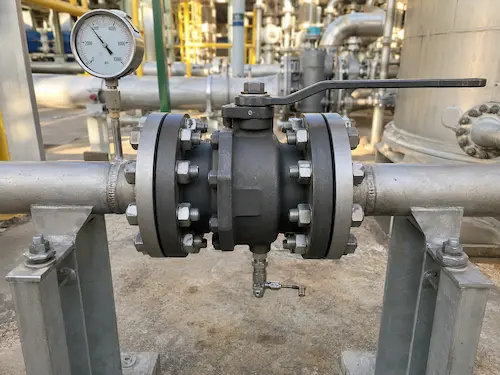
High pressure ball valves are selected where shutoff performance, pressure integrity and operating torque are more demanding than general utility service. Common applications include:
- Oil and natural gas process pipelines
- Hydraulic power units and hydraulic distribution lines
- High-pressure chemical injection systems
- Steam, condensate and thermal oil systems with suitable seats and packing
- Power plant auxiliary piping
- Compressor and pump discharge isolation
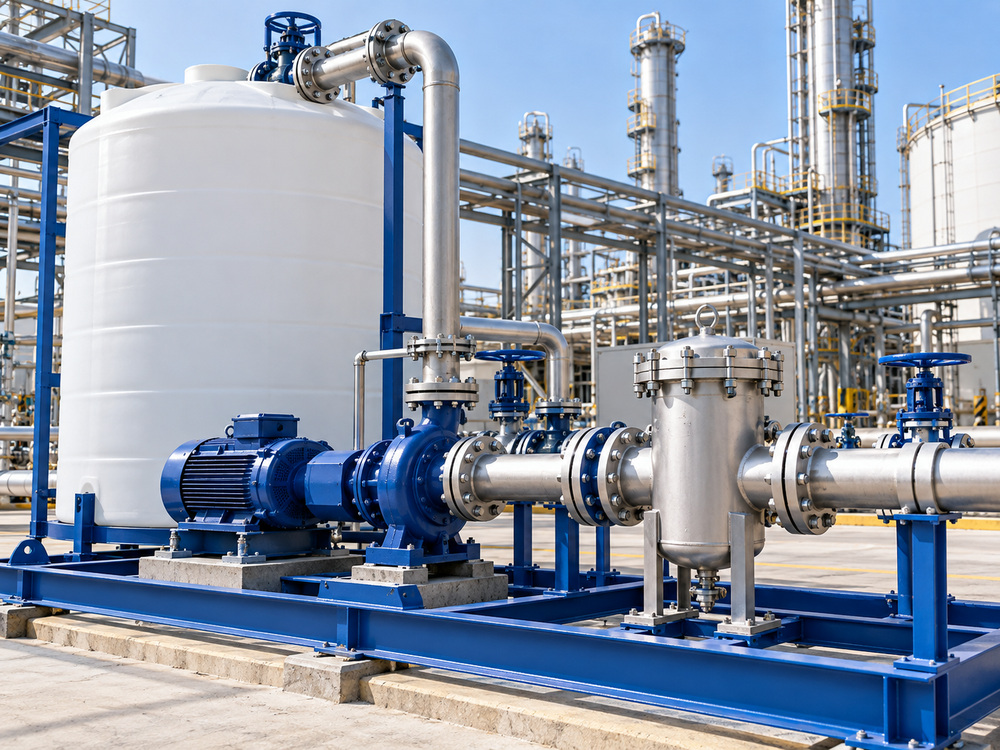
- Refinery and petrochemical process lines
- High-pressure industrial utility systems
For broader application planning, see our Ball Valve Applications guide and our Ball Valve category.
Application Limits
- A standard ball valve is mainly intended for fully open or fully closed service.
- Continuous throttling can damage seats and increase torque.
- High-pressure gas service requires special attention to leakage, torque and safety requirements.
- Hydrogen, sour gas, oxygen and other special services require dedicated material and testing review.
- Soft seats must not exceed their pressure-temperature limits.
- Severe slurry or abrasive media may require a metal-seated or specially coated design.
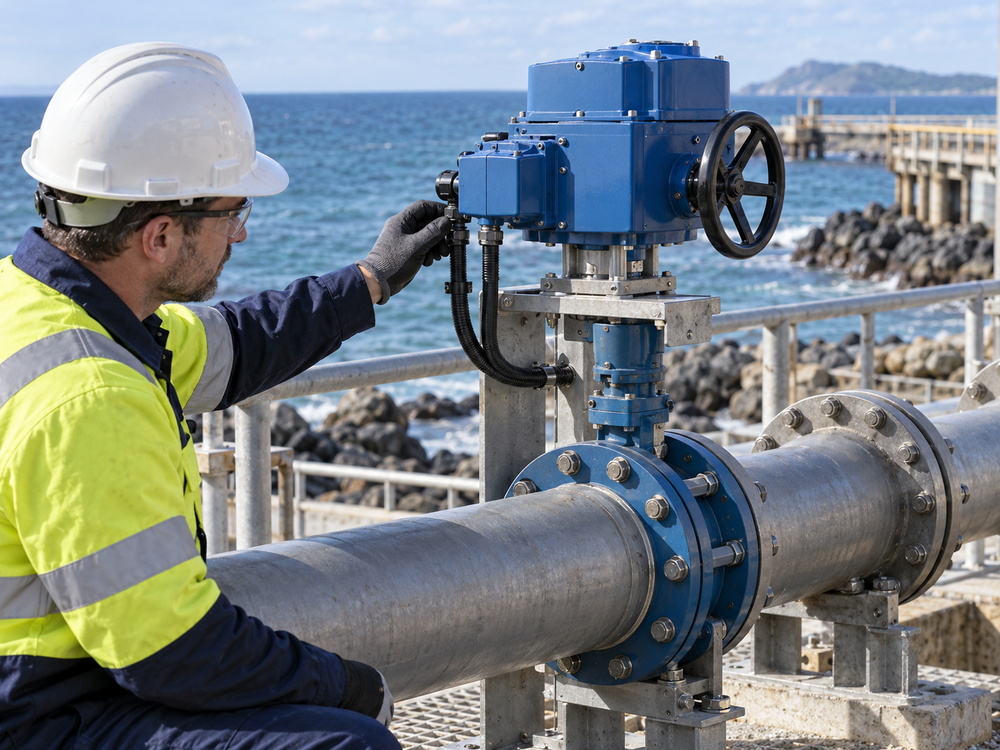
- High-pressure service may require gearbox or actuator operation instead of a lever handle.
- Pressure class alone does not prove suitability without confirming temperature, medium and end connection.
Inspection and Documentation
| Inspection / Document | Purpose |
|---|---|
| Material Test Certificate | Confirms body, ball, stem, bolting and pressure-containing material grades. |
| PMI | Verifies alloy chemistry when specified. |
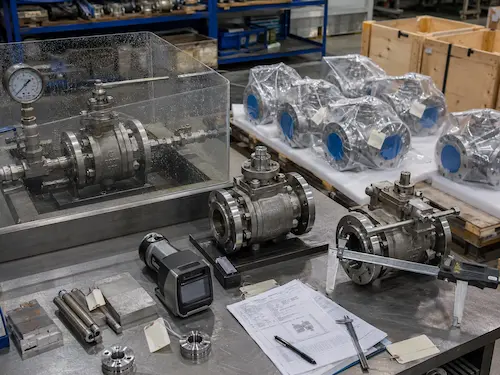
| Dimensional Inspection | Checks end connection, bore, face-to-face or end-to-end length and actuator interface. |
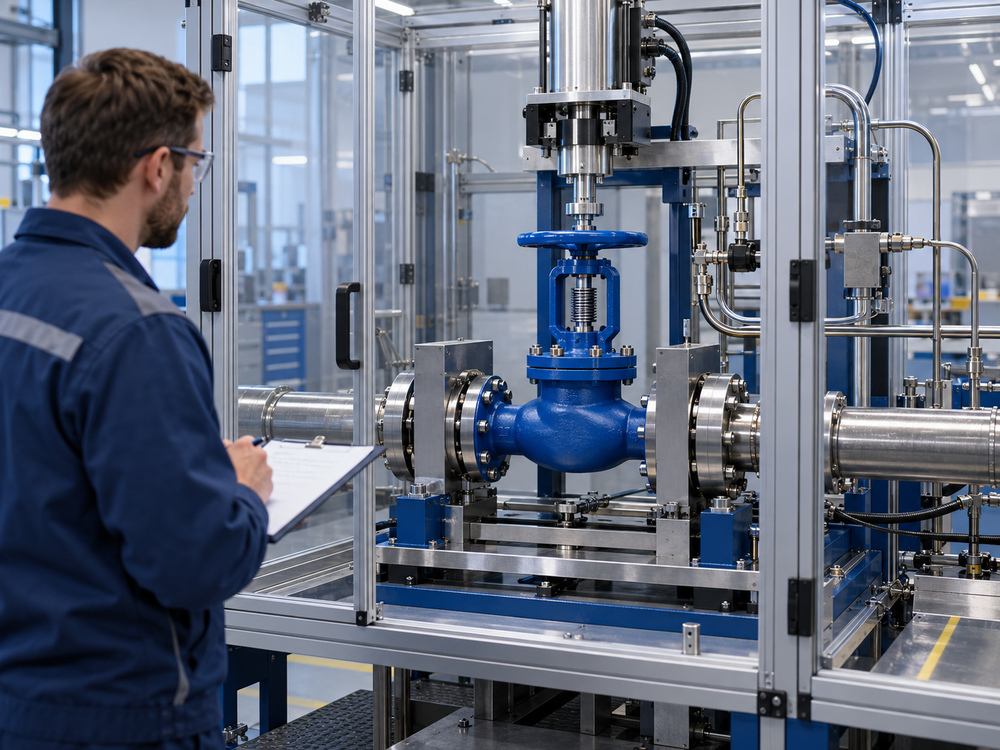
| Shell Pressure Test | Verifies pressure-containing body integrity. |
| Seat Leakage Test | Confirms shutoff performance under specified test conditions. |
| Operation / Torque Test | Checks smooth operation and supports actuator sizing when required. |
| NDE | Radiographic, ultrasonic, magnetic-particle or liquid-penetrant examination when specified. |
| Fire-Safe / Anti-Static Evidence | Provided only when the selected valve model has applicable design or test evidence. |
| Actuator Test | Checks opening, closing, position indication and control accessories when actuated. |
Export packing should protect machined connection ends, sealing surfaces, actuator interfaces and valve bores. For high-pressure valves, reinforced plywood cases, moisture protection, flange or weld-end protectors, anti-rust treatment and secure internal blocking are recommended according to valve size and transport method.
Information Required for Valve Selection
- Valve size and quantity
- Working pressure, design pressure and pressure class
- Working temperature and design temperature
- Medium name, composition, concentration and phase
- Liquid, gas, steam, hydraulic oil or special service condition
- Required body construction: forged, cast, floating or trunnion mounted
- Connection type: flanged, socket weld, butt weld or threaded
- Body, ball, stem, seat, packing and bolting materials
- Full-bore or reduced-bore requirement
- Manual, gearbox, pneumatic, electric or hydraulic operation
- Torque, actuator or fail-safe requirement if applicable
- Fire-safe, anti-static, NACE, low-emission, oxygen, hydrogen or sour-service requirements
- Testing, NDE, material certification and third-party inspection requirements
FAQ
1. What is a high pressure ball valve used for?
A high pressure ball valve is used for on-off isolation in oil, gas, hydraulic, steam, chemical and industrial pipeline systems where working pressure, sealing load and operating torque are more demanding than standard service.
2. What is the difference between a standard ball valve and a high pressure ball valve?
A high pressure ball valve requires stronger pressure-containing parts, suitable end connections, verified pressure-temperature ratings, appropriate seat materials and controlled operating torque. It is selected based on actual pressure, temperature, medium and design standard, not only by valve size.
3. Should a high pressure ball valve use floating-ball or trunnion-mounted design?
Floating-ball designs are common in smaller sizes and suitable pressure ranges. Trunnion-mounted designs are often preferred for larger sizes, higher pressure and lower operating torque requirements. The choice depends on pressure class, valve size, medium and shutoff requirement.
4. Can a high pressure ball valve be used for throttling?
A standard high pressure ball valve is mainly intended for fully open or fully closed service. Continuous throttling can increase seat wear, torque and vibration. For flow control, a V-port ball valve or dedicated control valve is usually more suitable.
5. What information is needed for quotation?
For quotation, provide valve size, pressure class, working pressure, temperature, medium, connection type, body material, seat material, operation method, quantity and testing requirements. For gas, hydraulic, sour, oxygen or hydrogen service, additional material and safety requirements should be confirmed.