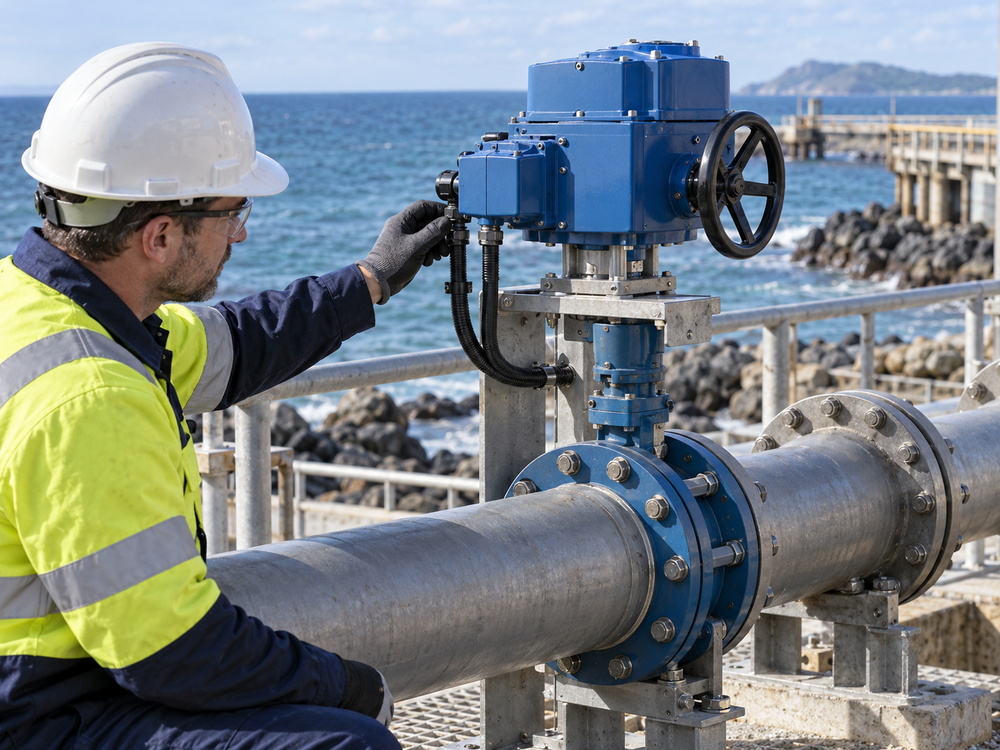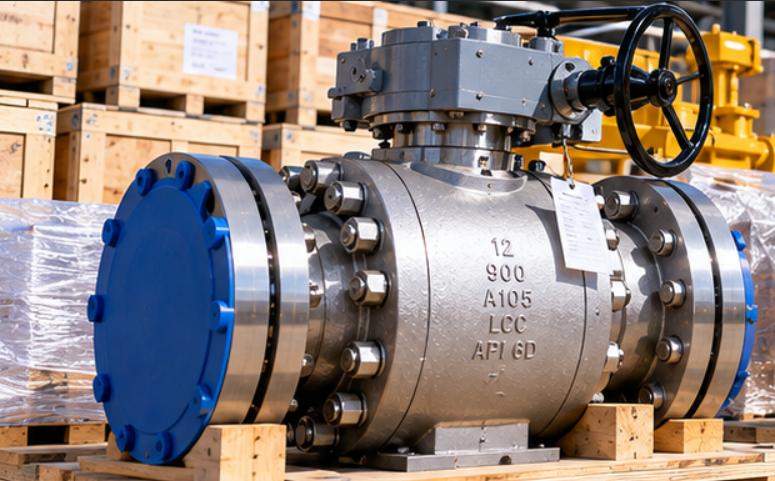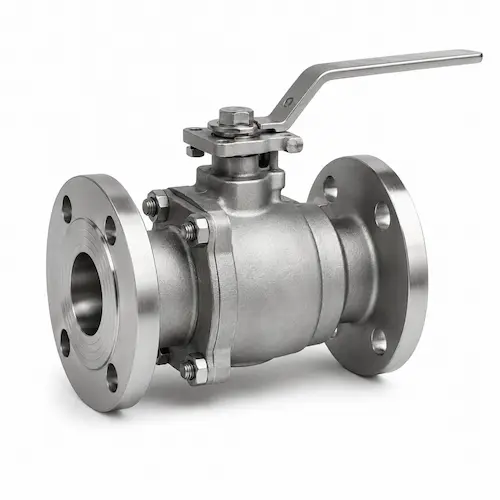
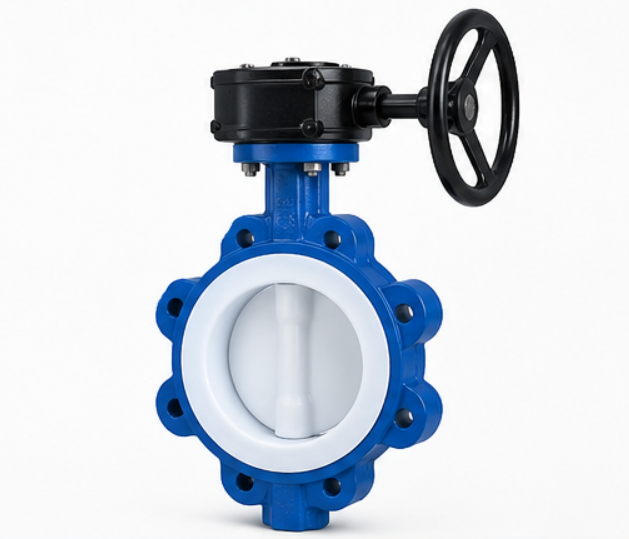
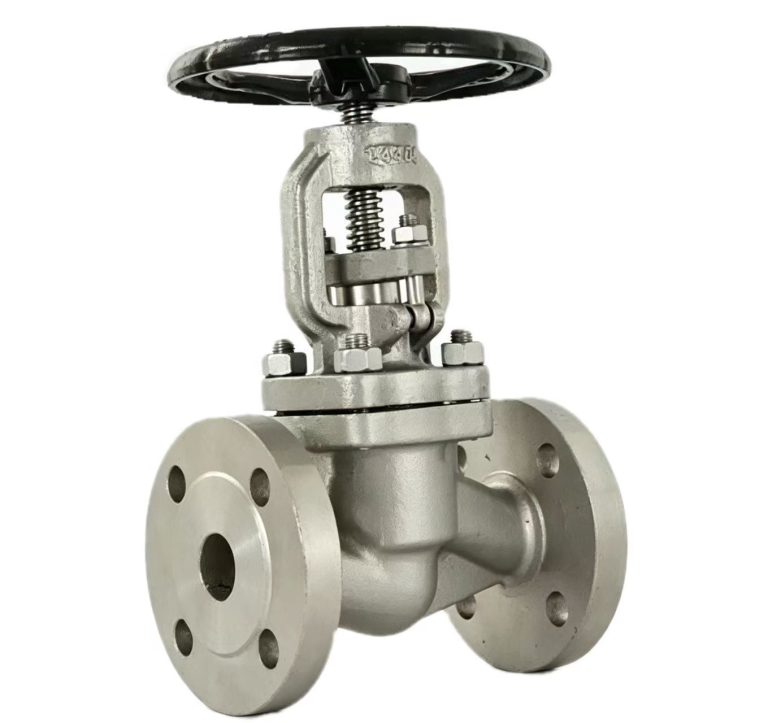
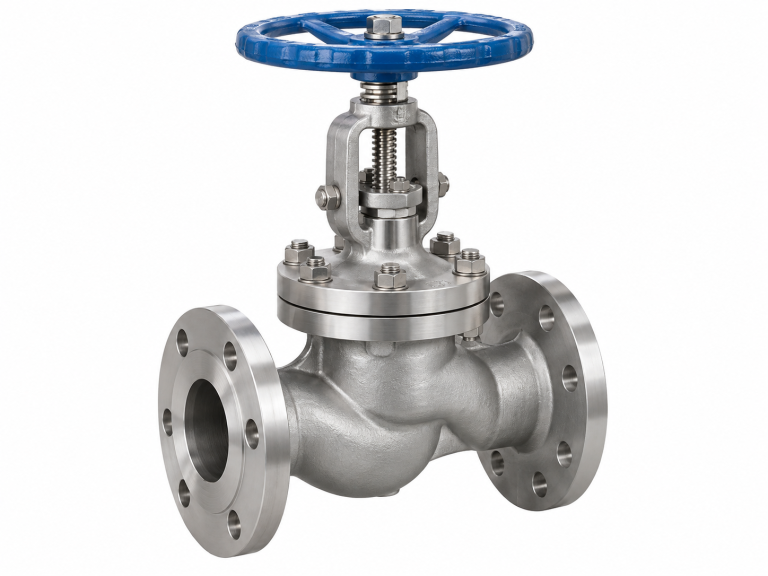
This valve is commonly used in industrial water, oil, gas, steam, chemical processing, utility and general process pipelines where fast shutoff, low pressure drop and easy maintenance access are required. For more ball valve structures and options, you can also review our ball valve category.
Product Overview
| Product Name | Flanged Ball Valve |
|---|---|
| Valve Type | Quarter-turn ball valve |
| Connection Type | Flanged ends |
| Body Design | One-piece, two-piece, three-piece, floating ball or trunnion mounted design depending on size and pressure |
| Body Material | Carbon steel, stainless steel, alloy steel, duplex stainless steel or project-specified material |
| Seat Material | PTFE, RPTFE, PPL, PEEK, metal seat or other suitable sealing material |
| Operation | Lever, gearbox, pneumatic actuator, electric actuator or hydraulic actuator |
| Typical Applications | Water, oil, gas, steam, chemical processing, power plants, utility pipelines and industrial process systems |
What Is a Flanged Ball Valve?
A flanged ball valve is a ball valve with integral flanges on both ends of the valve body. The flanges allow the valve to be bolted to matching pipeline flanges. This connection is widely used in industrial piping because it provides a strong joint while still allowing the valve to be removed for inspection, replacement or maintenance when needed.
The main shutoff part is the ball. The ball has a hole through the center. When the hole is in line with the pipeline, fluid can pass through the valve. When the ball is turned perpendicular to the pipeline, the flow is blocked. This simple 90-degree operation makes the valve easy to use in both manual and automated systems.
If your pipeline requires a permanent welded-end connection instead of a bolted flange connection, you can compare this product with our flanged welded ball valve.
 How the Ball Valve Structure Works
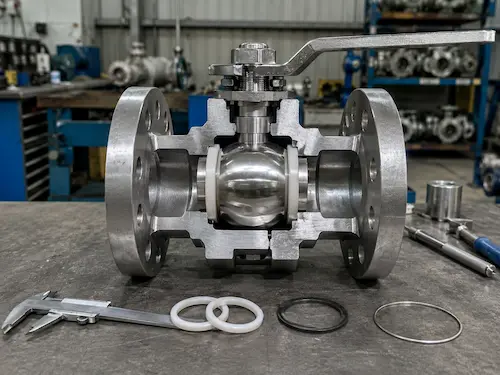 How the Ball Valve Structure Works
The flanged ball valve controls flow by rotating the ball inside the valve body. The sealing seats are positioned around the ball. When the valve closes, the ball presses against the seats and blocks the flow path. This structure provides fast shutoff and low flow resistance when the valve is fully open.
Most flanged ball valves are mainly used for on-off service. They can provide limited flow adjustment in some systems, but they are not normally selected as precision control valves. For frequent throttling or accurate regulation, a control valve, V-port ball valve or globe valve may be more suitable.
Main Structural Features
- Quarter-turn operation for fast opening and closing.
- Flanged end connection for stable installation and easier maintenance.
- Full port or reduced port design depending on flow and pressure drop requirements.
- Floating ball or trunnion mounted structure depending on size, pressure and operating torque.
- Manual or actuated operation for local operation or automated pipeline control.
Floating Ball and Trunnion Mounted Options
Flanged ball valves can be supplied with floating ball or trunnion mounted construction. A floating ball valve is commonly used for smaller and medium sizes. The ball is supported by the valve seats and slightly moves under pressure to create sealing contact.
A trunnion mounted ball valve uses mechanical support at the top and bottom of the ball. This design reduces operating torque and is often selected for larger sizes, higher pressure or more demanding pipeline service. For heavy-duty pipeline applications, you can also compare our forged trunnion ball valve.
| Design Type | Main Feature | Typical Use |
|---|---|---|
| Floating Ball Valve | Ball is supported mainly by the seats | Small to medium sizes, lower to medium pressure service |
| Trunnion Mounted Ball Valve | Ball is mechanically supported by trunnions | Larger sizes, higher pressure and lower operating torque requirements |
| Full Port Ball Valve | Bore size is close to pipeline bore | Low pressure drop and pigging or high-flow service where required |
| Reduced Port Ball Valve | Bore is smaller than pipeline bore | General shutoff where lower cost and compact design are acceptable |
Material Options
The correct material depends on the medium, pressure, temperature, corrosion level and project standard. Carbon steel is commonly used for oil, gas, steam and general industrial service. Stainless steel is preferred for corrosive media, water treatment, chemical service and cleaner process conditions.
| Part | Common Materials | Selection Guide |
|---|---|---|
| Body | WCB, A105, CF8, CF8M, F304, F316, alloy steel, duplex stainless steel | Select according to pressure, temperature, corrosion level and project standard. |
| Ball | Stainless steel 304, stainless steel 316, coated steel or alloy material | The ball material should match corrosion resistance and sealing requirements. |
| Stem | Stainless steel, alloy steel or project-specified material | Stem material should match torque, corrosion risk and operating frequency. |
| Seat | PTFE, RPTFE, PPL, PEEK, metal seat | Seat selection depends on temperature, pressure, medium and shutoff requirement. |
| Seal / Packing | PTFE, graphite, flexible graphite or project-specific packing | Packing should match temperature, leakage requirement and fluid compatibility. |
| Operation | Lever, gearbox, pneumatic actuator, electric actuator, hydraulic actuator | Operation type should be selected according to valve size, torque and automation needs. |
Technical Specifications
| Specification Item | Available Options |
|---|---|
| Product Type | Flanged ball valve |
| Valve Function | Fast on-off shutoff and pipeline isolation |
| Nominal Size | DN15–DN1200 / 1/2″–48″, depending on design and pressure class |
| Pressure Rating | PN10, PN16, PN25, PN40, Class 150, Class 300, Class 600 or higher on request |
| Body Construction | One-piece, two-piece, three-piece, split body, top entry, floating ball or trunnion mounted design |
| Body Material | Carbon steel, stainless steel, forged steel, alloy steel or duplex stainless steel |
| Ball Material | Stainless steel, coated steel, alloy material or project-specified material |
| Seat Material | PTFE, RPTFE, PPL, PEEK, metal seat or other suitable material |
| Flange Standard | ASME B16.5, EN 1092, DIN, JIS, BS or project-specific flange standard |
| Face-to-Face Reference | ASME B16.10, API 6D, EN 558 or project requirement |
| Design Reference | API 6D, API 608, ISO 17292, ASME B16.34 or project-specific requirement |
| Testing Reference | API 598, API 6D, EN 12266 or agreed inspection standard |
| Operation Type | Lever, gearbox, pneumatic actuator, electric actuator or hydraulic actuator |
| Suitable Media | Water, oil, gas, steam, chemical media, air, utility fluids and general industrial process media |
| Not Recommended For | Precise continuous throttling, severe slurry service without special design, or media incompatible with selected seat and body materials |
| Documentation | Pressure test report, material certificate, inspection report, operation manual and packing photos |
Applications in Industrial Pipelines
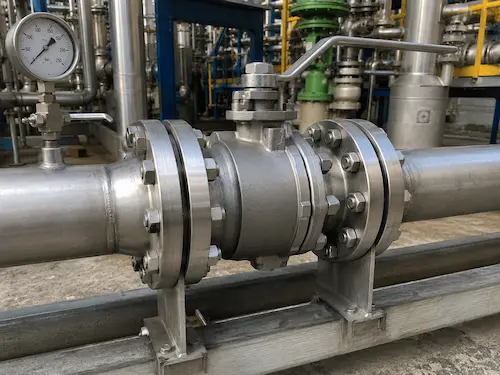 Applications in Industrial Pipelines
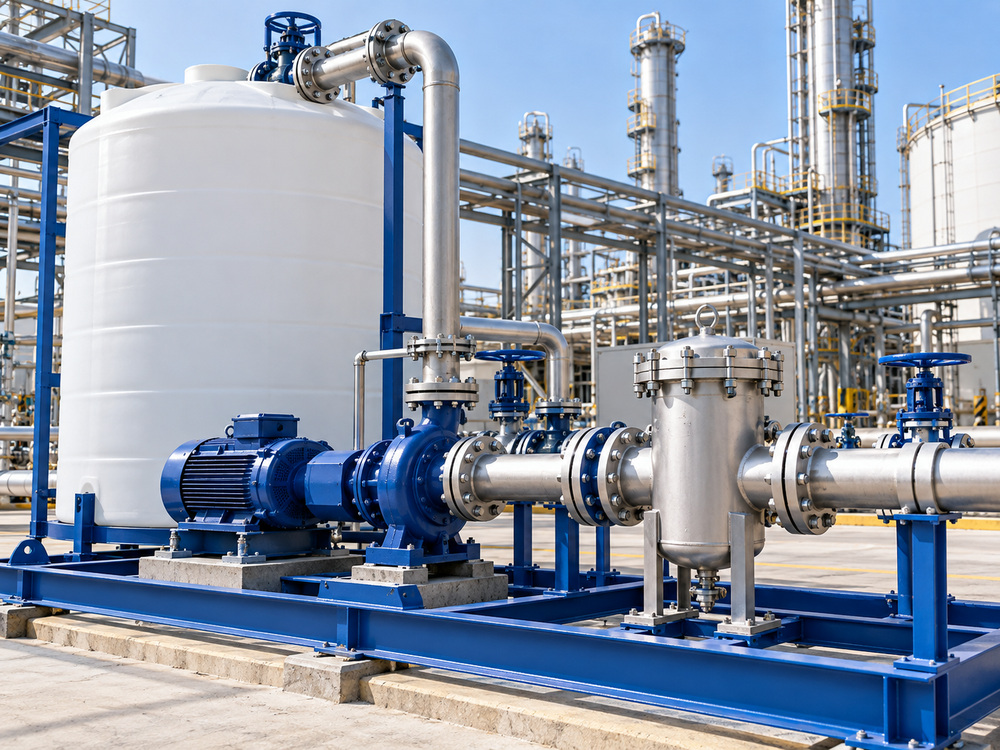
Flanged ball valves are used in many industrial systems where reliable shutoff and easy pipeline connection are required. They are especially useful when the valve may need to be removed later for maintenance, inspection or replacement.
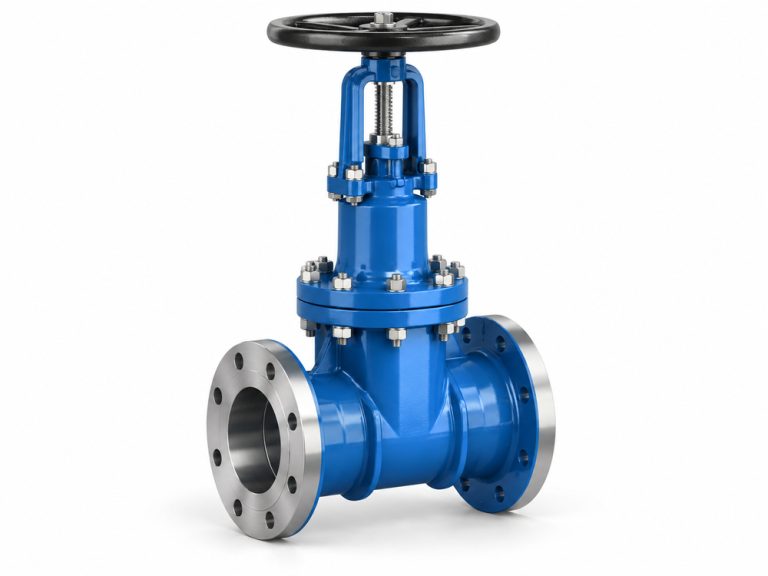
For broader industrial valve selection, you can also review our industrial valve products page. If you are comparing whether a ball valve, gate valve or globe valve is more suitable, this guide on ball valve vs gate valve vs globe valve may also help.
- Oil and gas pipelines
- Industrial water systems
- Chemical process lines
- Steam and thermal oil systems with suitable seat material
- Power plant auxiliary systems
- Compressed air and utility gas systems
- Water treatment and wastewater pipelines
- Petrochemical and refinery service
- General plant isolation and equipment inlet/outlet lines
Media Compatibility and Seat Selection
The sealing seat is one of the most important parts of a ball valve. A soft seat such as PTFE is widely used for water, oil, gas and general industrial media. Reinforced seats or high-temperature seats may be required when pressure, temperature or operating frequency increases. Metal seats may be selected for high temperature, abrasive or severe service conditions.
| Media / Service | Common Seat / Material Choice | Important Note |
|---|---|---|
| Water / industrial water | PTFE or RPTFE seat with carbon steel or stainless steel body | Confirm corrosion level and water treatment chemicals. |
| Oil and gas | PTFE, RPTFE, PEEK or metal seat depending on pressure and temperature | Fire-safe, anti-static or API 6D design may be required for some projects. |
| Chemical media | Stainless steel body with suitable seat and seal material | Confirm chemical concentration, temperature and compatibility. |
| Steam / thermal oil | PPL, PEEK, graphite packing or metal seat depending on temperature | Standard PTFE may not be suitable for higher temperature service. |
| Corrosive service | Stainless steel, duplex, alloy or lined construction | Body, ball, stem, seat and gasket materials should be reviewed together. |
| Slurry / abrasive media | Special design or metal seated option | Standard soft seated ball valves are not usually the first choice for severe slurry. |
Flanged Ball Valve vs Threaded and Welded Ball Valve
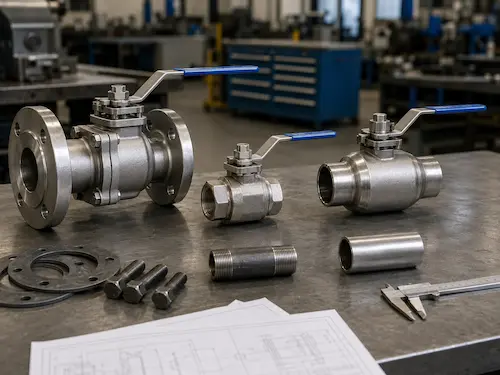
Connection type affects installation, maintenance and pipeline design. A flanged ball valve is easier to remove than a welded valve and usually more suitable for larger industrial pipelines than threaded valves.
| Connection Type | Main Feature | Typical Use | Selection Note |
|---|---|---|---|
| Flanged Ball Valve | Bolted to pipeline flanges | Industrial pipelines, larger sizes, maintenance-access systems | Good balance of strength and serviceability. |
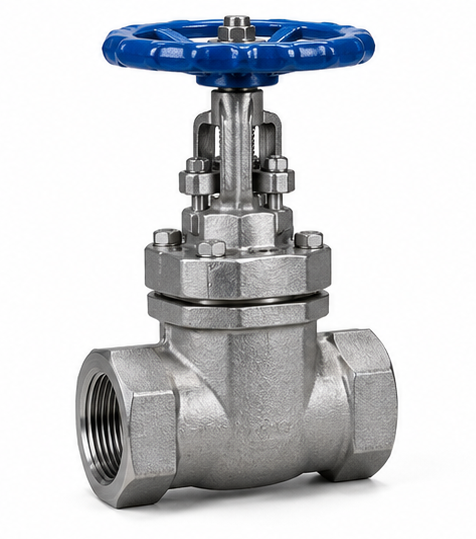
| Threaded Ball Valve | Screwed connection | Small-size water, air, gas and utility lines | Compact and economical, but not ideal for large sizes. |
| Socket Weld Ball Valve | Pipe is inserted into socket and welded | Small-bore high-pressure pipelines | Strong connection, but removal requires cutting or welding work. |
| Butt Weld Ball Valve | Welded directly to pipeline ends | High-integrity pipelines, buried service and permanent installations | Strong pipeline integrity, but less convenient for maintenance removal. |
Operation Options
Small flanged ball valves are usually operated by lever. Larger sizes or higher pressure ratings may require a worm gearbox to reduce operating force. For automated systems, the valve can be supplied with pneumatic, electric or hydraulic actuators.
| Operation Type | Typical Application | Selection Note |
|---|---|---|
| Lever Operation | Small-size manual shutoff | Simple and economical for local operation. |
| Gearbox Operation | Larger sizes or higher torque valves | Reduces manual operating force. |
| Pneumatic Actuator | Fast automation and plant control systems | Requires air supply and control accessories. |
| Electric Actuator | Remote operation, slow opening/closing and automation | Useful where compressed air is not available. |
| Hydraulic Actuator | High torque or demanding pipeline service | Often used for larger or higher-pressure valves. |
Inspection, Testing and Packing
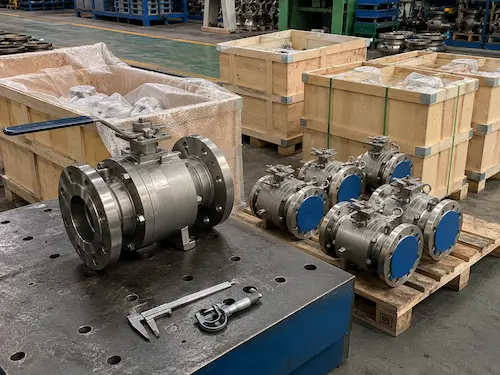
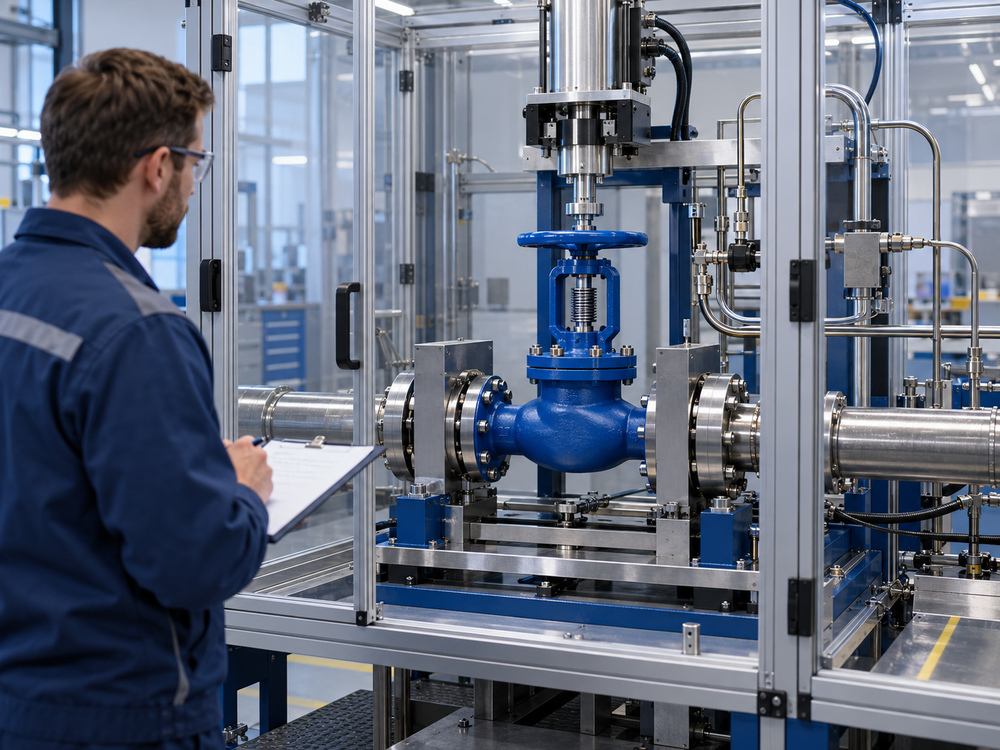
For flanged ball valves, inspection should confirm body material, flange dimensions, ball surface, seat condition, stem sealing, operation torque and pressure test performance. The flange faces, sealing surfaces and actuator parts should be protected before shipment.
| Inspection Item | Purpose |
|---|---|
| Visual inspection | Check body casting or forging quality, coating, flange faces, nameplate and appearance. |
| Dimension inspection | Confirm valve size, flange drilling, face-to-face dimension and actuator mounting interface. |
| Operation test | Check smooth opening and closing without abnormal friction or excessive torque. |
| Shell test | Verify body pressure integrity according to the agreed test standard. |
| Seat test | Check sealing performance under specified test conditions. |
| Packing inspection | Confirm flange protection, moisture protection, crate condition and shipping marks. |
Export packing can include protective flange covers, anti-rust treatment, moisture-resistant wrapping, plywood cases, reinforced crates and palletized loading. For actuated flanged ball valves, the actuator should be fixed securely to avoid impact during transport.
Information to Confirm Before Ordering
- Valve size and quantity
- Pressure rating and working temperature
- Pipeline medium and chemical composition
- Flange standard and face-to-face dimension
- Full port or reduced port requirement
- Floating ball or trunnion mounted design requirement
- Body material, ball material, stem material and seat material
- Manual, gearbox, pneumatic, electric or hydraulic operation
- Fire-safe, anti-static, NACE or low-emission requirement if applicable
- Testing standard, certificates and documentation requirement
- Packing method and delivery schedule
FAQ
1. What is a flanged ball valve used for?
A flanged ball valve is used for fast on-off shutoff and pipeline isolation in water, oil, gas, steam, chemical processing and general industrial systems. The flanged ends allow the valve to be bolted to pipeline flanges for stable installation and easier maintenance removal.
2. What is the difference between a flanged ball valve and a threaded ball valve?
A flanged ball valve uses bolted flange connections and is commonly used for larger industrial pipelines. A threaded ball valve uses screwed connections and is usually selected for smaller water, air, oil or gas lines. Flanged valves are generally easier to remove in larger process systems.
3. Should I choose a floating ball valve or a trunnion mounted ball valve?
A floating ball valve is commonly used for small to medium sizes and lower to medium pressure service. A trunnion mounted ball valve is preferred for larger sizes, higher pressure and lower operating torque requirements. The choice depends on size, pressure, medium and shutoff requirement.
4. Can a flanged ball valve be used for throttling?
A standard flanged ball valve is mainly designed for fully open or fully closed service. It can provide limited flow adjustment in some systems, but continuous throttling may damage the seats and reduce service life. For accurate flow control, a V-port ball valve, control valve or globe valve may be more suitable.
5. What information is needed for quotation?
For an accurate quotation, it is recommended to provide valve size, pressure rating, medium, temperature, flange standard, body material, ball material, seat material, operation method, quantity and required testing documents. Special requirements such as fire-safe, anti-static, NACE or actuator control signals should also be confirmed.