
V-Port Ball Valve: Advantages, Limits & Applications
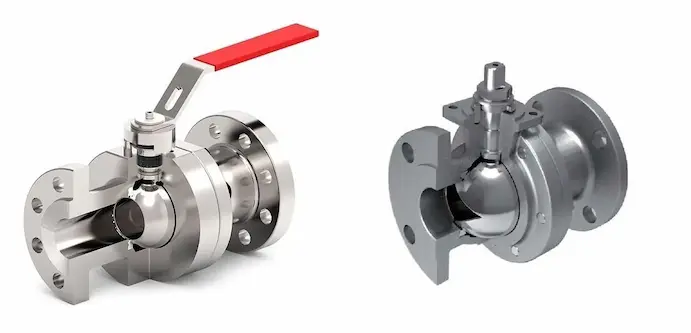
Learn how V-port ball valves provide better modulating control than standard on/off ball valves by using a V-shaped or segmented ball opening to create a more predictable flow characteristic. The guide explains key advantages, limitations, V-angle selection, actuator torque requirements, seat wear risks, cavitation and noise considerations, and when a dedicated globe control valve may still be required for precise or severe control service.
Rising Stem vs Non-Rising Stem Gate Valves Explained
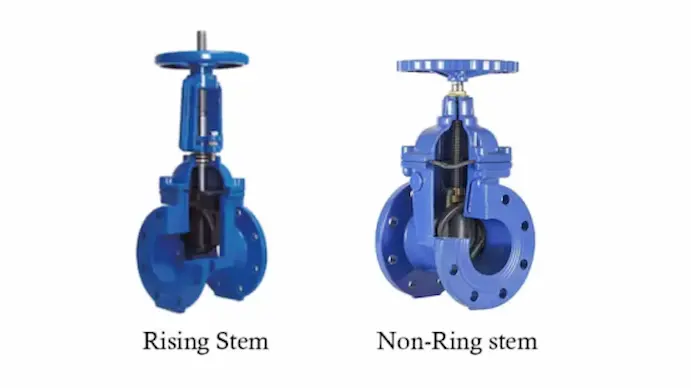
Compare rising-stem and non-rising-stem gate valves by stem movement, installation clearance, valve-position visibility, maintenance access, and application. Rising-stem gate valves provide clear open/closed indication and easier inspection for above-ground industrial systems, while non-rising-stem designs offer compact installation for underground pipelines, water networks, fire protection systems, and confined valve chambers.
Knife Gate Valve Guide: Working Principle, Applications and Selection
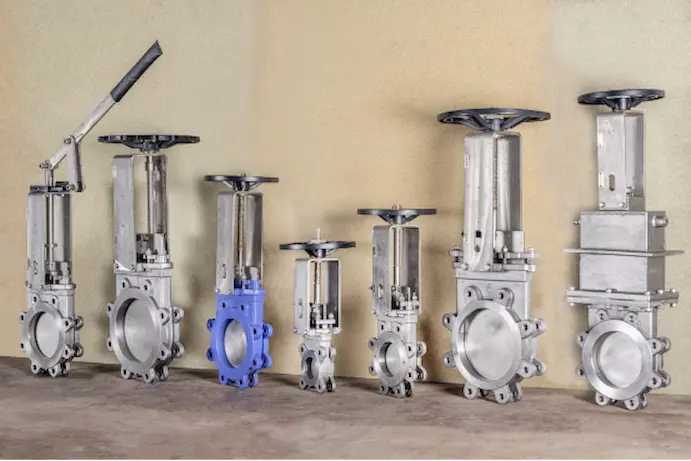
Learn how knife gate valves are selected for slurry, pulp, powder, wastewater, tailings, fibrous media, and other solids-containing services. The guide explains knife-edge gate design, wafer, lugged and flanged body options, soft-seat and metal-seat sealing, pressure and temperature limitations, installation orientation, clogging risks, maintenance considerations, and the key differences between knife gate valves and conventional gate valves.
Wedge Gate Valve vs Slab Gate Valve: A Practical Guide
https://www.onoffvalve.com/knowledge-wedge-gate-valve-vs-slab-gate-valve/
5 Common Lug Butterfly Valve Installation Mistakes and How to Avoid Them
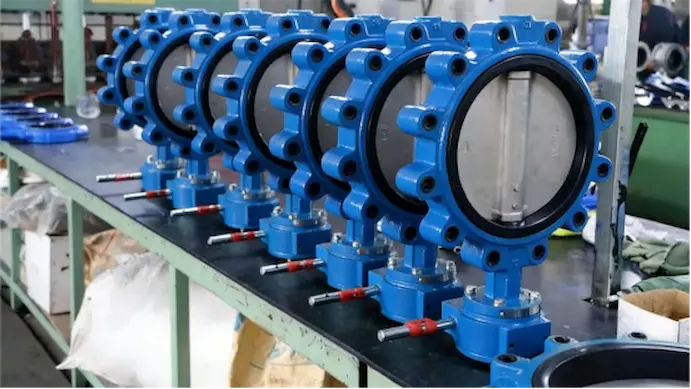
Learn the most common lug butterfly valve installation mistakes and how to avoid leakage, seat damage, excessive operating torque, flange misalignment, uneven bolt loading, piping stress, and end-of-line service problems. This guide explains correct disc position during installation, flange inspection, cross-bolt tightening, controlled torque, pipeline alignment, pressure-rating limits, manufacturer instructions, and commissioning checks for lug-type butterfly valves in industrial piping systems.
Industrial Valve Failures and Repair | Causes & Solutions
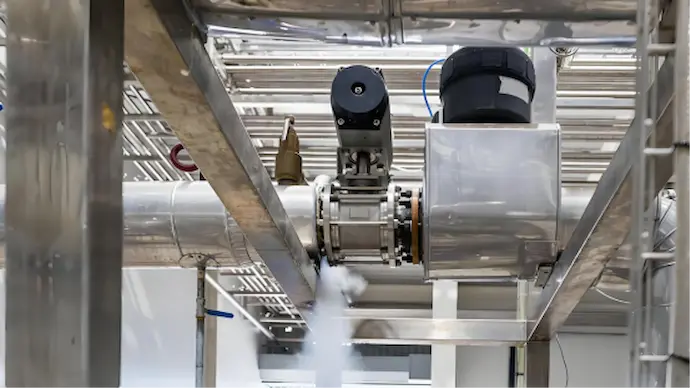
Learn the common causes of industrial valve failures and how to decide whether a valve should be repaired, refurbished, or replaced. The guide explains leakage, sticking, jamming, actuator failure, cavitation, erosion, material mismatch, sealing damage, predictive maintenance, inspection records, pressure testing, and root-cause analysis for improving valve reliability and reducing unplanned shutdowns.
Ductile Iron vs Cast Steel Valves | Material Selection Guide
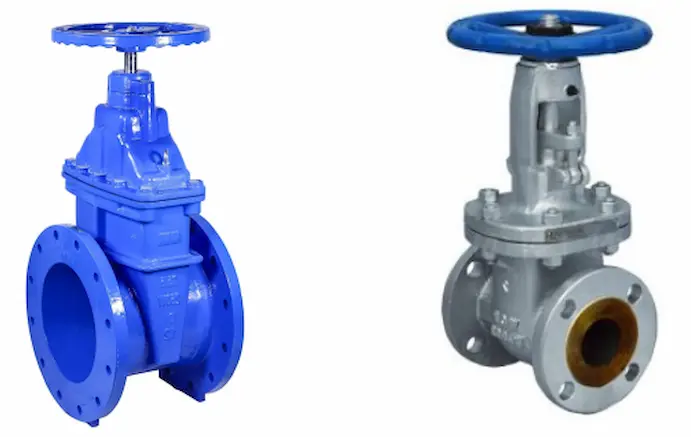
Compare ductile iron and cast steel valves by mechanical strength, pressure and temperature capability, corrosion protection, weight, cost, standards, and application. Ductile iron valves provide a lighter and more economical solution for water supply, wastewater, HVAC, and moderate-pressure systems, while cast steel valves offer greater strength and reliability for high-pressure, high-temperature, steam, oil and gas, petrochemical, and other demanding industrial services.
Double Offset vs Triple Offset Butterfly Valve Explained
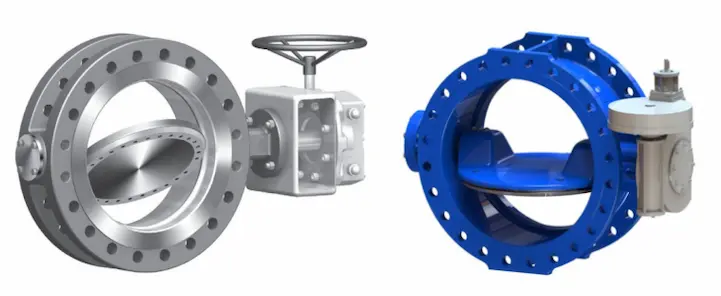
Compare double-offset and triple-offset butterfly valves by sealing geometry, seat material, operating friction, temperature capability, fire safety, service life, and cost. Double-offset valves provide economical tight shutoff for clean, moderate-pressure and moderate-temperature service, while triple-offset metal-seated valves deliver low-wear, fire-safe, and reliable isolation for high-temperature, high-pressure, and critical industrial applications.
Sluice Valve vs Gate Valve: Key Differences Explained
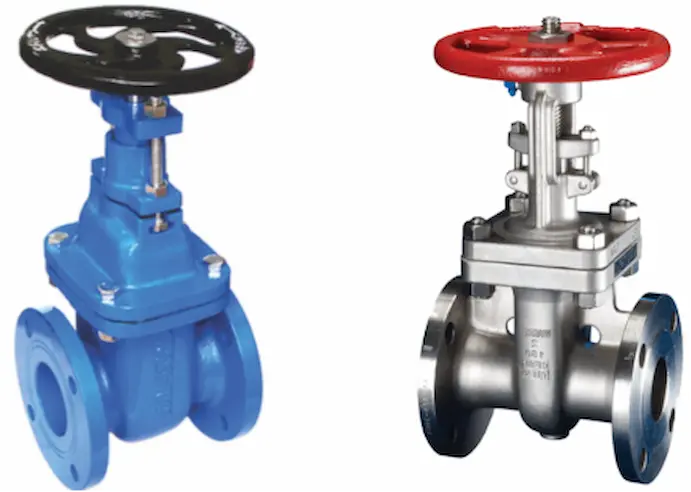
Compare sluice valves and gate valves by gate structure, media compatibility, debris resistance, sealing performance, maintenance, and application. Sluice valves are better suited to wastewater, sludge, slurry, and solids-bearing media, while conventional gate valves provide economical, low-resistance isolation for clean water, oil, gas, steam, and general industrial pipelines.
Plug Valve vs Ball Valve: Key Differences & Applications
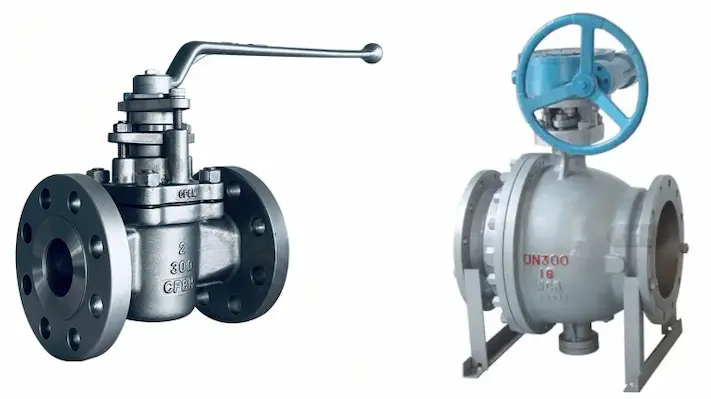
Compare plug valves and ball valves by closure design, sealing performance, pressure drop, operating torque, maintenance, and media compatibility. Ball valves provide tight shutoff, low flow resistance, and easy automation for water, oil, gas, and high-pressure pipelines, while plug valves are better suited to throttling, slurry, abrasive media, and corrosive heavy-duty services.
API 607 vs API 6D Ball Valves: Key Differences Explained
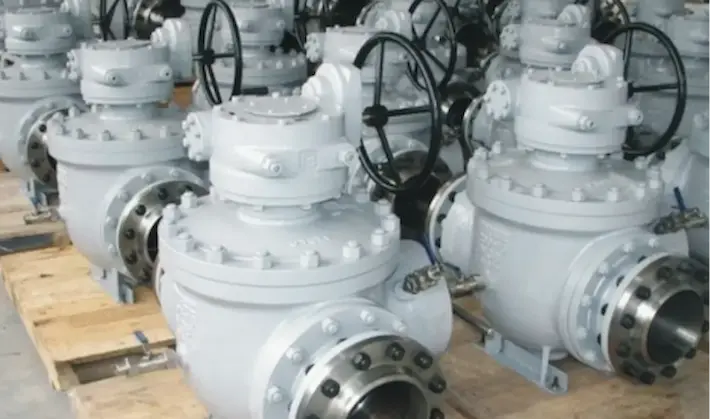
Compare API 607 and API 6D ball valves by standard scope, fire testing, design requirements, inspection, and application. API 607 verifies a quarter-turn valve’s sealing performance during and after fire exposure, while API 6D governs the design, materials, dimensions, testing, and reliability of pipeline valves. For fire-risk transmission pipelines, both API 6D compliance and API 607 fire testing may be required.
Floating vs Trunnion Ball Valve: What’s the Difference?
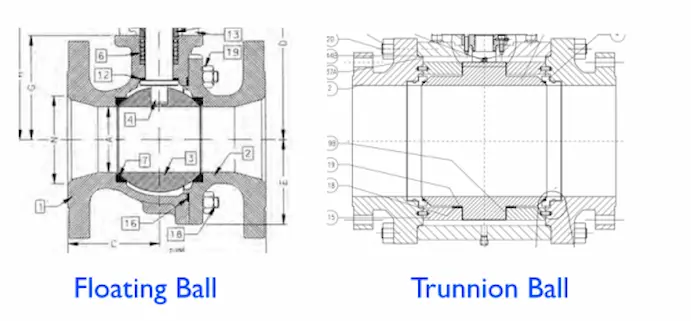
Compare floating and trunnion ball valves by structure, pressure capability, sealing principle, operating torque, size range, applications, cost, and buyer selection requirements.