
Bronze Check Valve and Y Strainer: Complete Guide
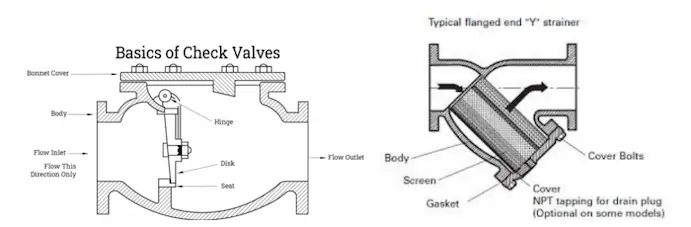
Learn how bronze check valves and bronze Y strainers work together to protect pumps, meters, control valves, and downstream piping equipment in water, HVAC, plumbing, marine, and general utility systems. The guide explains the difference between backflow prevention and debris filtration, proper installation order, bronze material selection, lead-free potable-water considerations, strainer screen maintenance, flow-direction requirements, and key specification factors for reliable system protection.
Gate Valve vs Butterfly Valve: Key Differences Explained
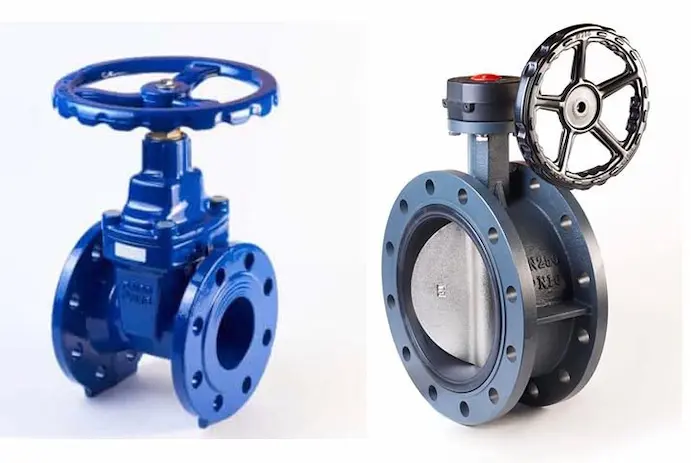
Compare gate valves and butterfly valves by operating mechanism, flow resistance, installation space, weight, cost, maintenance, and application. Gate valves provide full-bore flow and minimal pressure loss for high-pressure isolation and transmission pipelines, while butterfly valves offer compact construction, fast quarter-turn operation, easier automation, and economical control for water treatment, HVAC, cooling, and large-diameter piping systems.
Wafer vs Lug Butterfly Valves: Differences & Uses

Compare wafer and lug butterfly valves by body design, installation method, pipeline isolation, end-of-line capability, maintenance flexibility, weight, and cost. Wafer butterfly valves provide a lightweight and economical solution for HVAC, water treatment, and general low- to medium-pressure systems, while lug butterfly valves allow one-sided pipeline disconnection and end-of-line service for industrial systems requiring easier maintenance and isolation.
Copper & Brass Raw Materials: Types, Grades & Uses
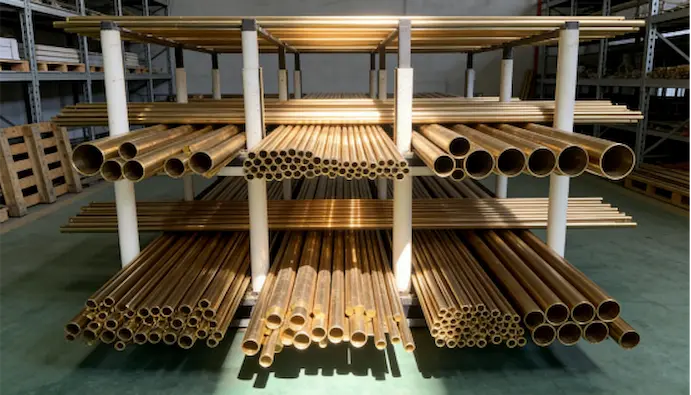
Explore copper and brass raw materials by alloy type, grade, strength, corrosion resistance, machinability, cost, and valve application. The guide explains pure copper, common copper alloys, alpha brass, alpha-beta brass, and dezincification-resistant brass, while outlining how water quality, pressure, temperature, certification, and material traceability affect valve material selection.
Valve Symbols Explained: Complete Guide & Chart
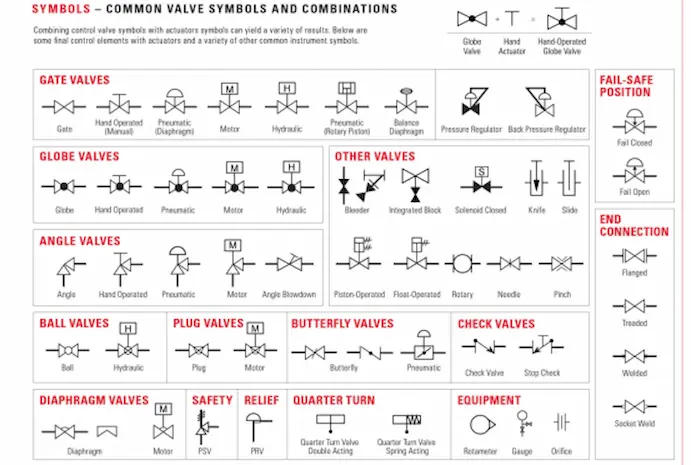
Learn how common valve symbols are represented and interpreted in P&ID and process flow drawings, including ball, gate, globe, check, and control valves. The guide explains each symbol’s basic function, highlights differences between ISO, ISA, and ANSI conventions, and shows how correct symbol interpretation helps prevent specification, procurement, installation, and commissioning errors.
Needle Valve vs Ball Valve: Full Comparison Guide
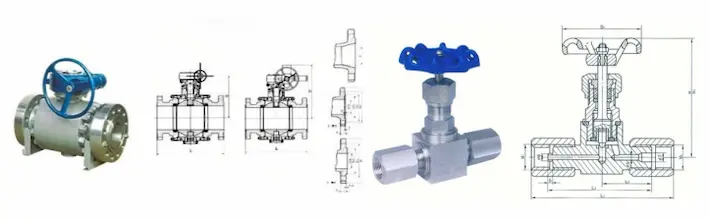
Compare needle valves and ball valves by flow-control precision, pressure drop, operating method, shutoff performance, and application. Needle valves provide fine, gradual adjustment for instrumentation, calibration, sampling, and low-flow control systems, while ball valves offer rapid quarter-turn operation, low flow resistance, and reliable isolation for water, oil, gas, and general industrial pipelines.
Angle Valve vs Gate Valve: Differences & Applications
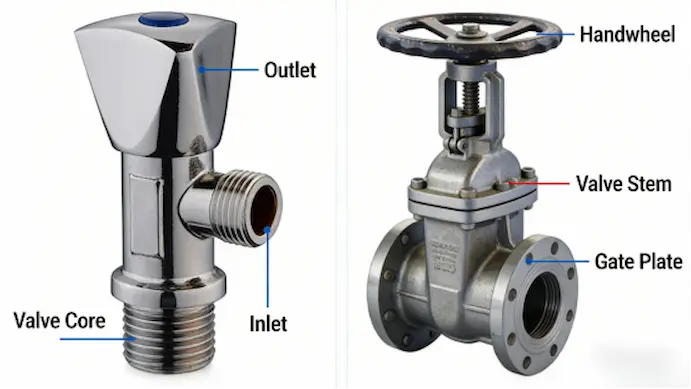
Compare angle valves and gate valves by flow path, installation space, pressure drop, operating frequency, and application. Angle valves redirect flow by 90 degrees and provide compact local shutoff for plumbing fixtures, branch lines, and confined spaces, while gate valves provide straight-through, low-resistance isolation for main water and industrial pipelines.
Thermostat Valve vs Safety Valve: Key Differences Explained
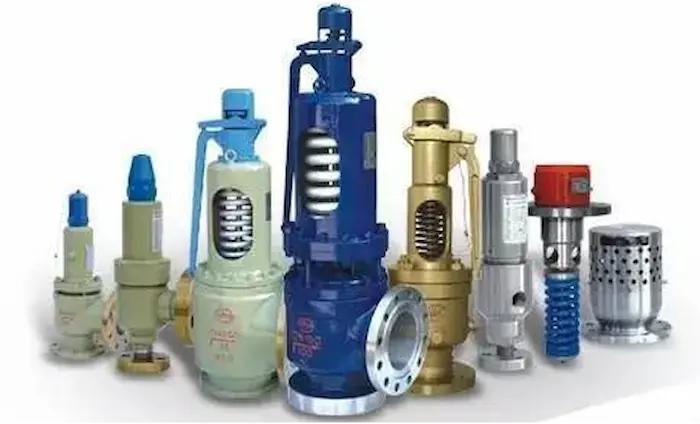
Compare thermostat valves and safety valves by control purpose, trigger mechanism, response speed, operating role, and application. Thermostat valves regulate flow gradually in response to temperature changes for HVAC, hot-water, and heat-exchanger systems, while safety valves open automatically at a preset pressure to protect boilers, pressure vessels, compressors, and industrial pipelines from overpressure.
Why Are 2-Way and 3-Way Valves Necessary?
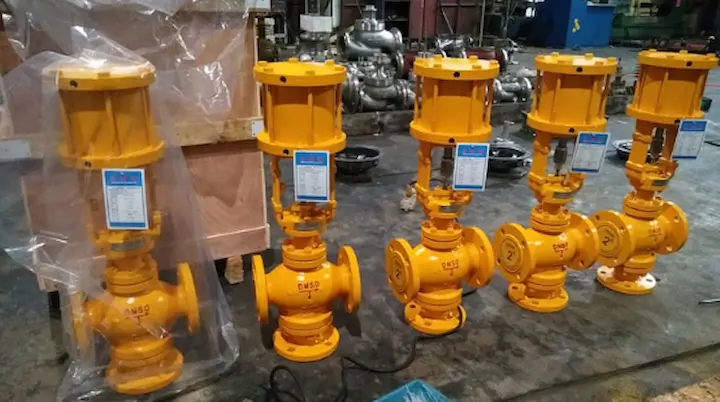
Compare 2-way and 3-way valves by port configuration, flow function, control capability, piping complexity, and application. Two-way valves are used for isolation and basic flow regulation, while three-way valves mix, divert, or bypass flow in HVAC, heat-exchange, cooling, and automated process-control systems.
What Is a CF8M Ball Valve? Complete Industrial Guide
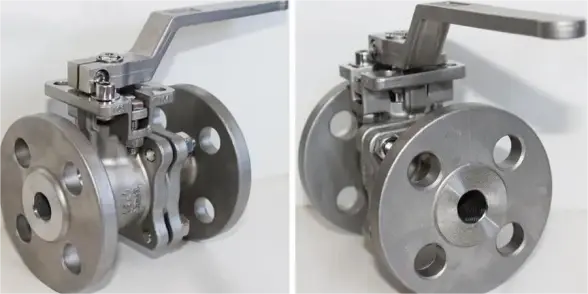
Learn what a CF8M ball valve is, including its ASTM A351 cast stainless steel composition, corrosion resistance, available valve designs, and industrial applications. CF8M is comparable to 316 stainless steel and contains molybdenum for improved resistance to chlorides, acids, and pitting, making these valves suitable for chemical processing, marine, oil and gas, food processing, and other corrosive services.
Vacuum Breaker vs Check Valve: Key Differences Explained
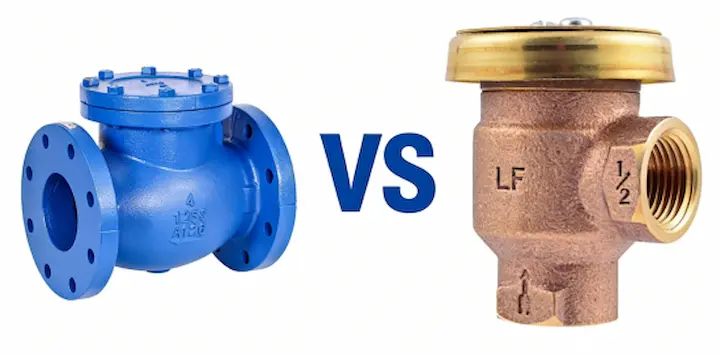
Learn the difference between a vacuum breaker and a check valve, including vacuum protection, siphon prevention, backflow control, installation points and selection checks.
Brass Check Valve Guide: Types, Applications and Selection
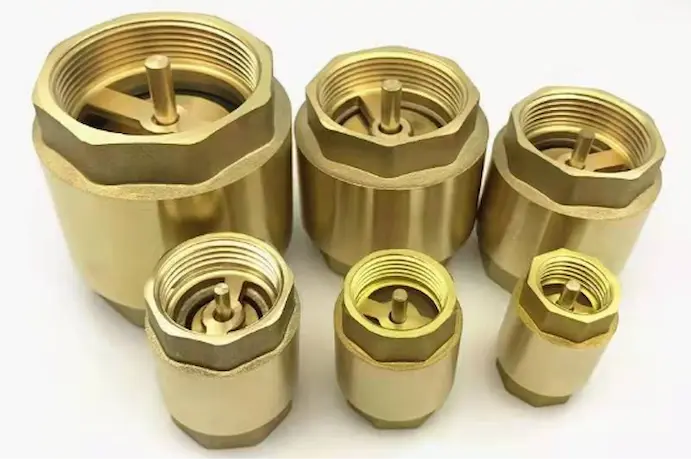
Learn how brass check valves prevent reverse flow in water, HVAC, plumbing, gas, and light industrial piping systems. The guide explains swing, lift, ball, and spring-loaded check valve types, brass and lead-free brass material considerations, pressure-temperature ratings, flow direction, installation orientation, debris sensitivity, pressure drop, maintenance inspection, and key selection factors for reliable backflow prevention.