
Brass vs Stainless Steel valves: What’s the Difference in Valves
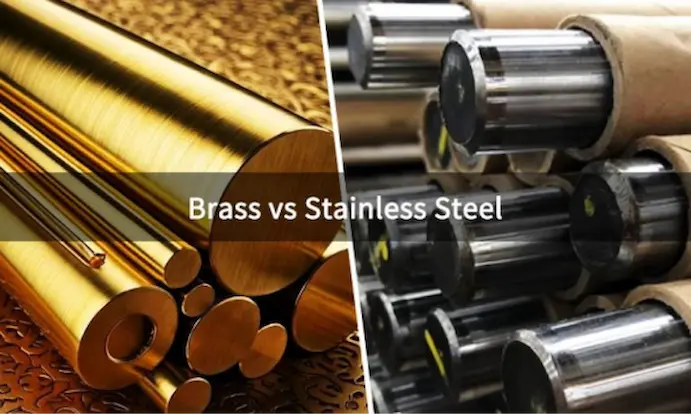
Quick Overview When selecting materials for valves, brass vs stainless steel valves are two of the most popular choices—but they serve different purposes. Understanding the material differences helps engineers and buyers make smarter decisions about performance, durability, and cost. Opening Scenario Picture this: you’re specifying valves for a large industrial pumping system. The engineers argue […]
Brass Valves vs Bronze Valves: Key Differences
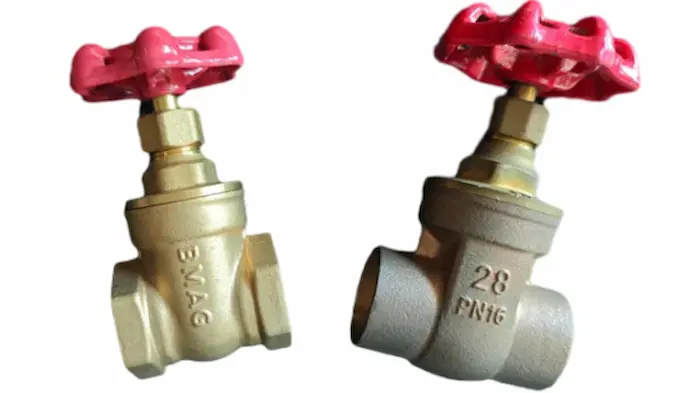
Compare brass and bronze valves by material composition, corrosion resistance, strength, cost, and typical applications. Brass valves are commonly selected for general water, air, and HVAC systems, while bronze valves offer better durability in seawater, marine, and more corrosive operating environments.
What are Hydraulic Check Valves and How Do They Work?
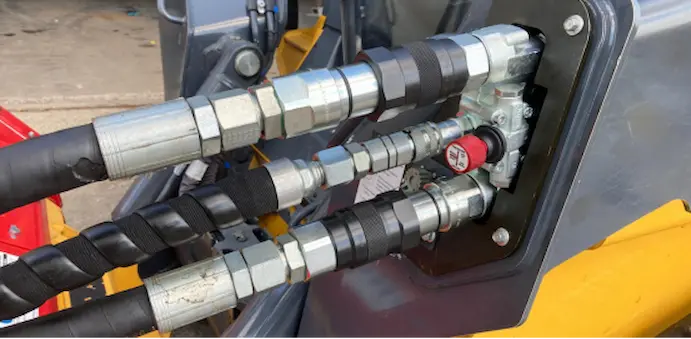
Learn how hydraulic check valves automatically allow fluid to flow in one direction while preventing reverse flow, pressure loss, and damage to pumps, seals, and other hydraulic components. The guide explains their working principle, common applications, material options, pressure and flow considerations, and the importance of correct sizing, sealing, and routine maintenance.
Slip Ball Valve vs Ball Valve: Key Differences
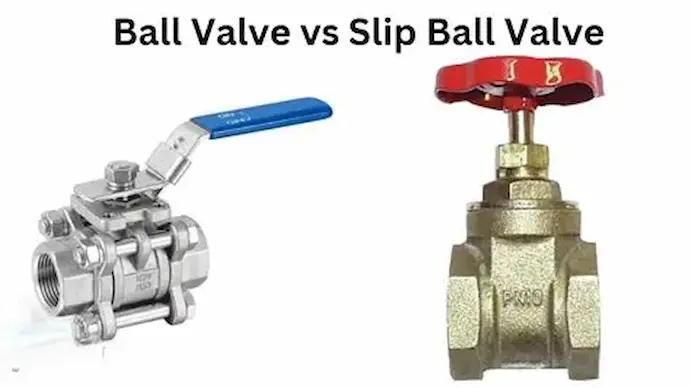
Compare slip ball valves and conventional ball valves by flow-control method, sealing performance, pressure capability, maintenance, and application. Slip ball valves are designed for adjustable flow regulation, while standard ball valves provide reliable full-open or full-closed isolation for water, gas, oil, and industrial pipelines.
On/Off Valve vs Modulating Valve: Key Differences
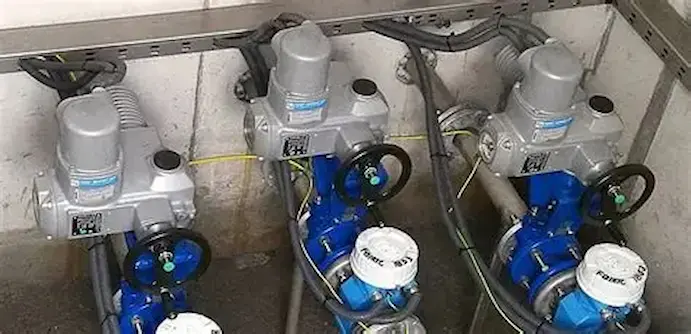
Compare on/off valves and modulating valves by control method, precision, actuator requirements, energy efficiency, cost, and application. On/off valves are suitable for simple fully open or fully closed isolation, while modulating valves provide continuous and precise flow regulation for HVAC, steam, chemical processing, temperature control, and automated process systems.
Tapping Valve vs Gate Valve: Key Differences and Applications
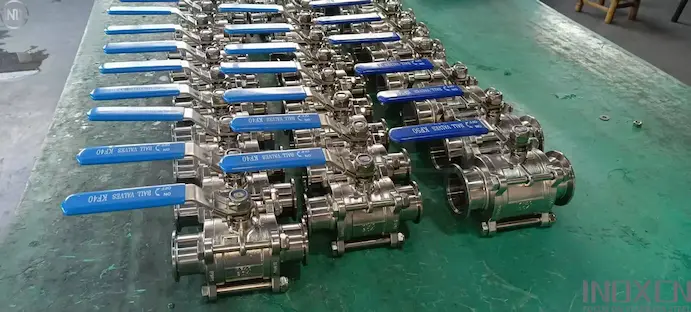
Compare tapping valves and gate valves by function, installation method, sealing requirements, maintenance, and application. Tapping valves are designed for adding branches or connection points to live pipelines without interrupting service, while gate valves are primarily used for full-flow isolation and shutoff in water, oil, gas, and industrial piping systems.
Vacuum Ball Valve vs Regular Ball Valve: Key Differences
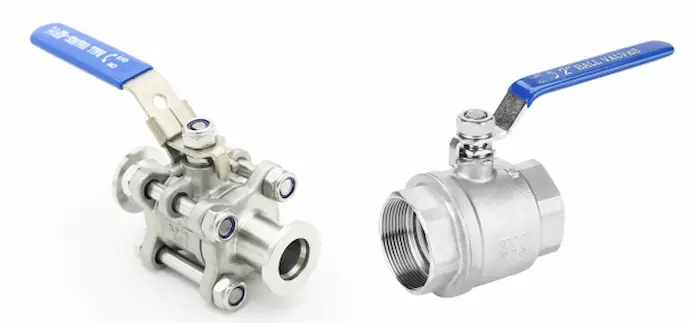
Compare vacuum ball valves and regular ball valves by sealing design, pressure conditions, leakage control, cost, and application. Vacuum ball valves provide tighter sealing for vacuum, laboratory, pharmaceutical, and packaging systems, while regular ball valves are generally more economical for pressurized water, oil, gas, and industrial pipelines.
Sanitary vs Industrial Valves: Key Differences and Applications
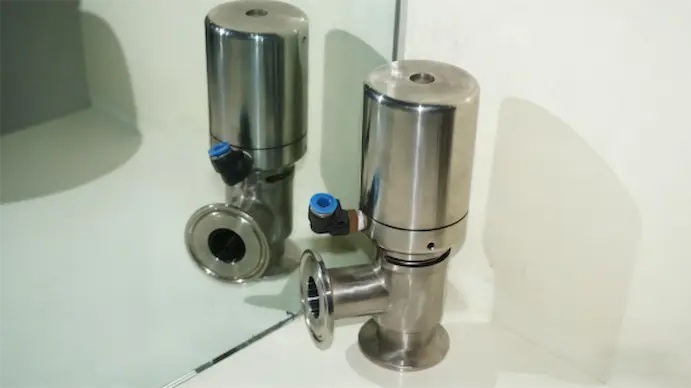
Compare sanitary and industrial valves by hygienic design, surface finish, materials, cleaning requirements, pressure capability, and application. Sanitary valves are designed for contamination-sensitive food, beverage, pharmaceutical, and biotechnology systems, while industrial valves prioritize durability, pressure resistance, and reliable operation in oil and gas, chemical processing, power generation, and water treatment.
Intergranular Corrosion: What It Is and How to Prevent It
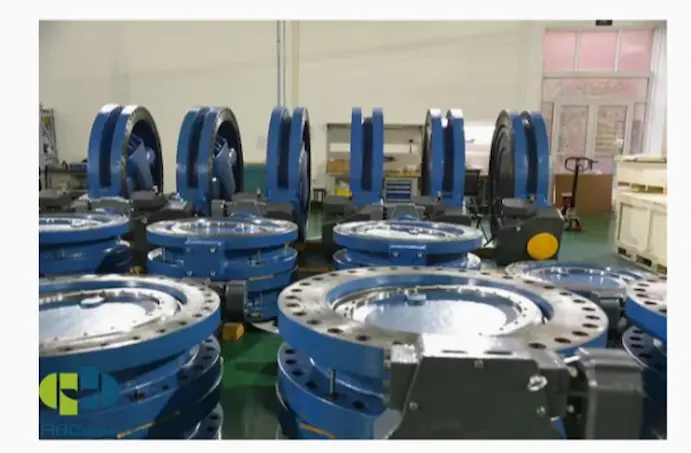
Learn what intergranular corrosion is, why it occurs along metal grain boundaries, and how it can weaken stainless steel valves used in chemical, high-temperature, oil and gas, water treatment, and industrial process systems. This guide explains stainless steel sensitization, chromium carbide precipitation, weld heat-affected zones, low-carbon stainless steel, stabilized grades, nickel alloys, passivation, coating limitations, inspection methods, and material selection practices for reducing intergranular corrosion risk in industrial valves.
How Coatings Help Prevent Scaling on Gate Valves
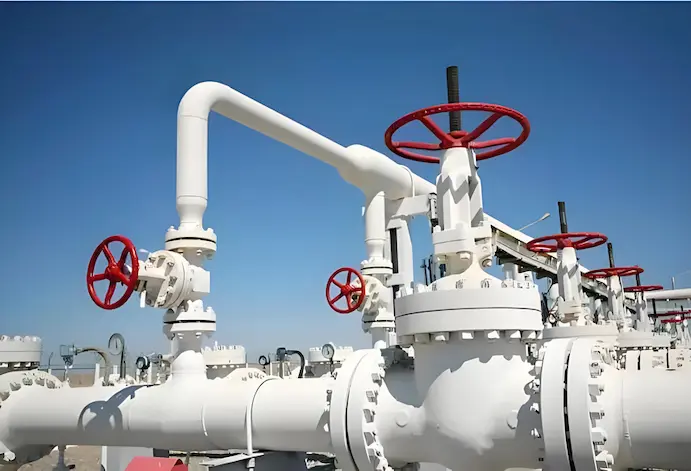
Learn how scaling affects gate valve operation in water treatment, industrial water, chemical, oil and gas, and mineral-rich pipeline systems. This guide explains how scale deposits can cause sticking, incomplete opening or closing, increased torque, leakage risk, and maintenance problems, while covering coating options such as epoxy, ceramic, and fluoropolymer coatings, fluid-chemistry control, inspection routines, cleaning practices, coating limitations, and key selection factors for coated gate valves.
Why Are Power Plant Valves So Expensive? Insights & Costs
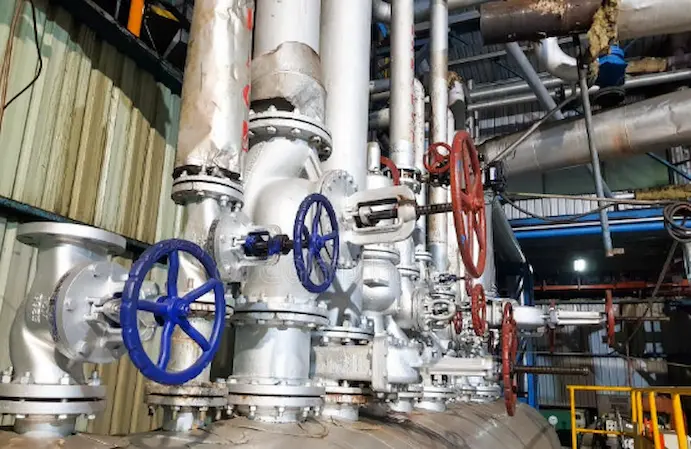
Quick Overview Power plant valves are integral components of any power generation system. They regulate steam, water, gas, and other fluids under extreme conditions. Due to their critical role and complex manufacturing process, these valves can be quite expensive. This article discusses the factors contributing to the high costs of power plant valves, including the […]
What is a Piggable Valve? Understanding Its Role in Pipeline Maintenance
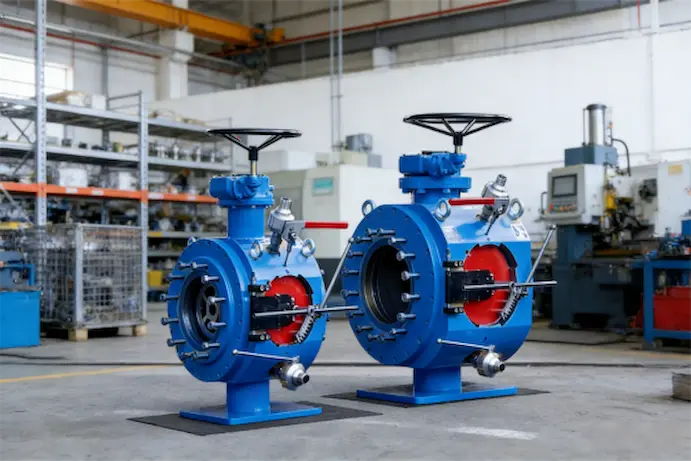
Learn what a piggable valve is and how its full-bore, unobstructed flow path allows cleaning, inspection, and batching pigs to pass safely through a pipeline. The guide explains how piggable valves support pipeline cleaning, corrosion inspection, blockage prevention, reduced downtime, and more efficient maintenance in oil, gas, chemical, and water systems.