
What Are Jacketed Valves? Applications and Benefits for Industrial Use
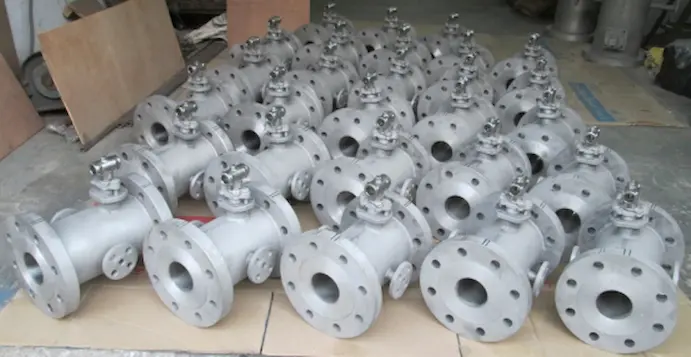
Learn how jacketed valves circulate steam, hot water, glycol, or another heat-transfer medium around the valve body to maintain process-fluid temperature and prevent solidification, crystallisation, and flow blockage. The guide explains their operating principle, key benefits, selection considerations, and applications in chemical processing, food production, pharmaceuticals, and other temperature-sensitive or high-viscosity services.
Installation Requirements for Cryogenic Valves: Best Practices and Tips
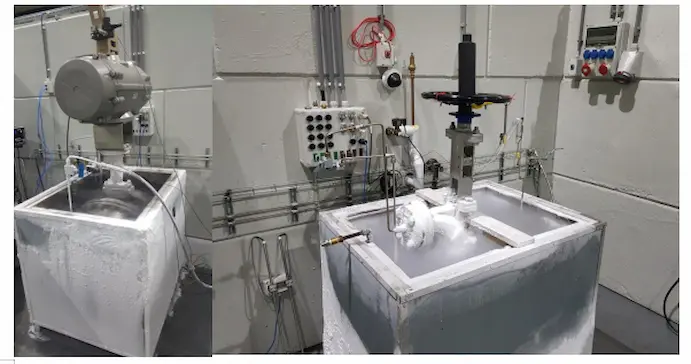
Learn the essential requirements for installing cryogenic valves in LNG, liquid oxygen, nitrogen, hydrogen, and other extremely low-temperature systems. The guide covers material and seal compatibility, valve orientation and pipeline alignment, leak and pressure testing, commissioning checks, and maintenance practices that help prevent leakage, cracking, operational failure, and premature valve damage.
Non-Lubricated Plug Valve vs Lubricated Plug Valve: Which is Best for Your Application?
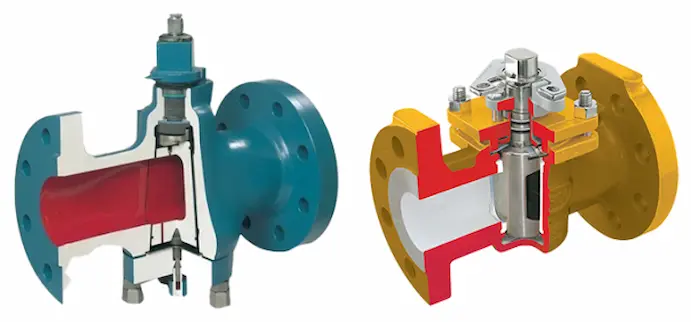
Compare non-lubricated and lubricated plug valves by sealing design, operating torque, pressure and temperature capability, maintenance, contamination risk, and application. Non-lubricated plug valves suit cleaner, low- to medium-pressure services where lubricant contamination is undesirable, while lubricated plug valves provide smoother operation and stronger sealing for demanding high-pressure and high-temperature industrial systems.
Efficient Valve Selection to Minimise Downtime: Best Practices and Tips
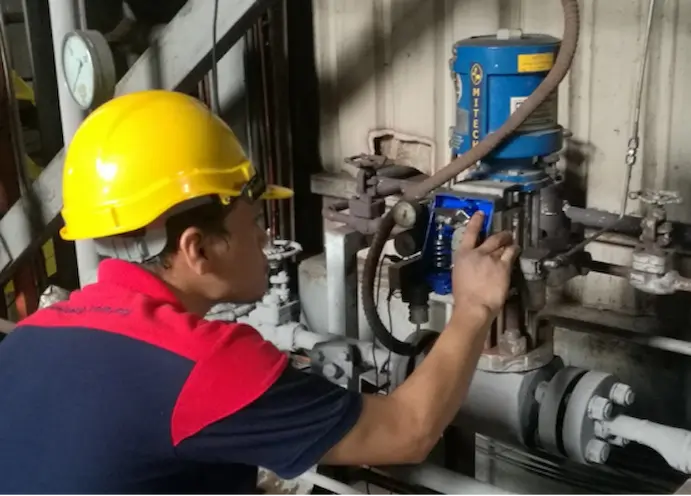
Learn how correct valve selection can reduce unplanned downtime, maintenance frequency, leakage, and premature equipment failure. The guide explains how fluid properties, pressure, temperature, flow rate, valve sizing, material compatibility, sealing performance, inspection, and preventive maintenance affect valve reliability and overall system efficiency.
Maintaining Clean Plastic Valves for Longevity: Best Practices and Tips
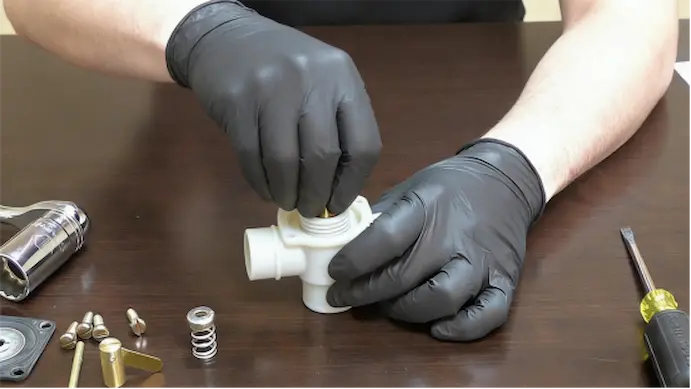
Learn how to clean and maintain plastic valves to prevent deposits, blockage, leakage, restricted flow, and premature material degradation. The guide covers inspection, cleaning-method selection, chemical compatibility, seal and body checks, maintenance scheduling, and operating practices that help extend valve service life in water-treatment and chemical-processing systems.
Why Conventional Butterfly Valves May Be Unsuitable for Abrasive Dry Bulk Solids
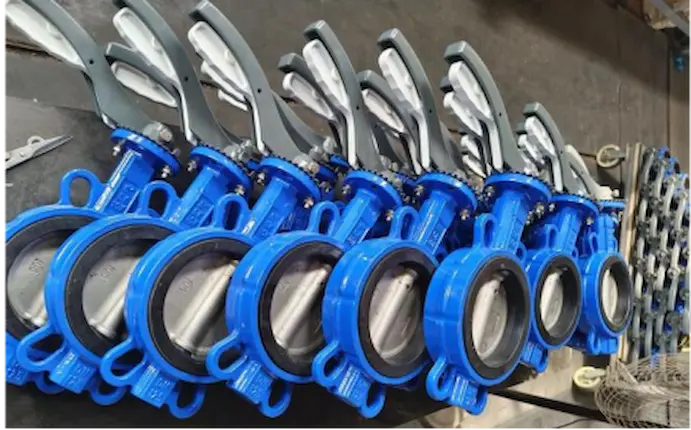
Learn why conventional butterfly valves may experience abrasion, particle packing, seat damage, flow restriction, and incomplete shutoff when handling dry powders and granular materials. The guide explains the limitations of standard butterfly valve designs and outlines key factors for selecting purpose-built bulk-solids valves, slide gates, rotary airlocks, or feeding equipment for cement, mining, food, and powder-processing systems.
What is the Difference Between Butterfly Valve and Butterfly Check Valve?
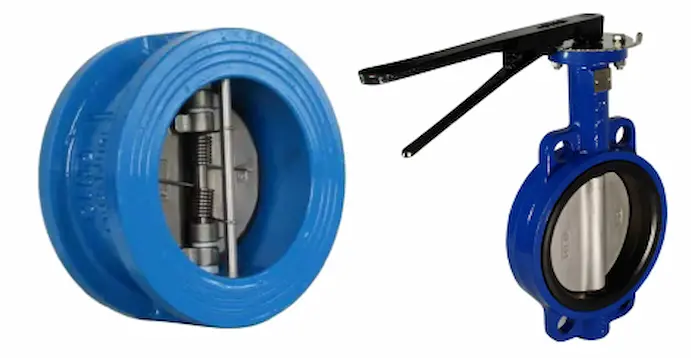
Compare butterfly valves and butterfly check valves by operating function, disc movement, flow direction, installation, maintenance, and application. Butterfly valves are manually or automatically operated for pipeline isolation and throttling, while butterfly check valves operate automatically to allow one-way flow and prevent reverse flow in water, cooling, HVAC, chemical, and industrial piping systems.
Types of 3-Way Valves and Their Applications: A Complete Guide for Industrial Use
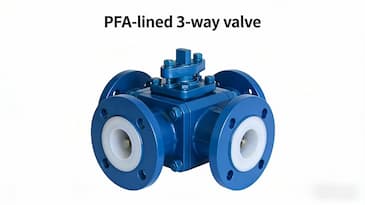
Quick Summary In this article, we will explore the different types of 3-way valves, their applications, and how they perform in various industrial environments. By understanding the key differences between these valves, you can make informed decisions about which is best suited for your operational needs. Whether you’re working in chemical processing, water treatment, or […]
High-Performance Industrial Valve Design and Manufacturing by Vcore Valve
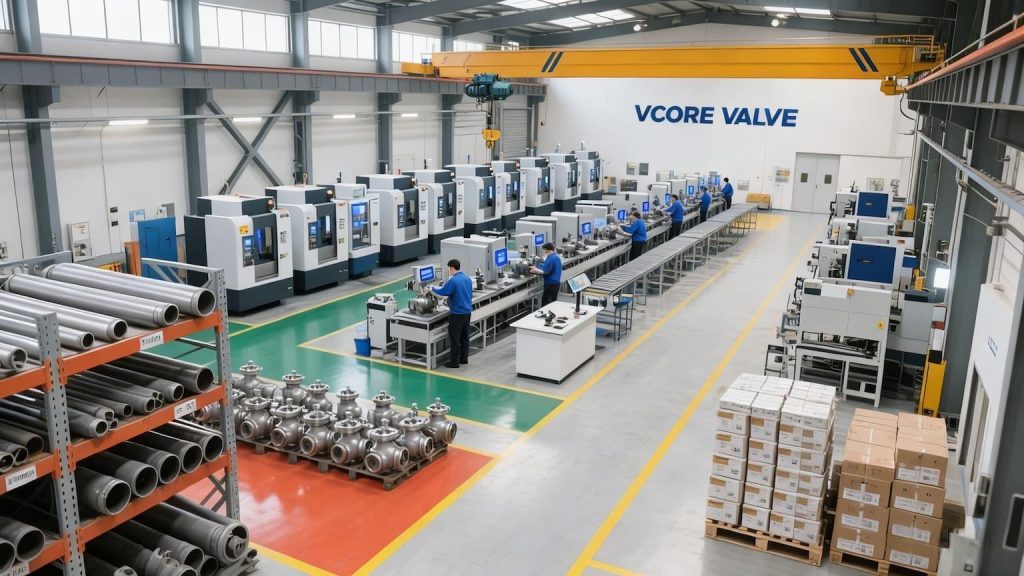
Learn how Vcore Valve supports industrial valve projects through custom valve design, material selection, manufacturing coordination, quality inspection, pressure testing, and application-based valve solutions. This page explains how high-performance ball valves, butterfly valves, gate valves, globe valves, check valves, control valves, and customized valve packages can be selected for oil and gas, chemical processing, water treatment, power generation, and demanding industrial pipeline systems.
Which Valve Should Never Be Used for Flow Control?
Quick Summary flow control. Many valves excel at shut-off or isolation but falter when precise fluid regulation is needed. This guide breaks down which valves to steer clear of for flow management, explains the risks of poor selection, and highlights the top performers to keep your process system running smoothly. Imagine you are tasked with […]