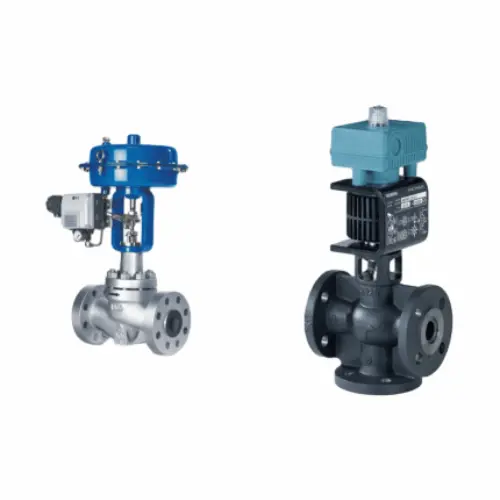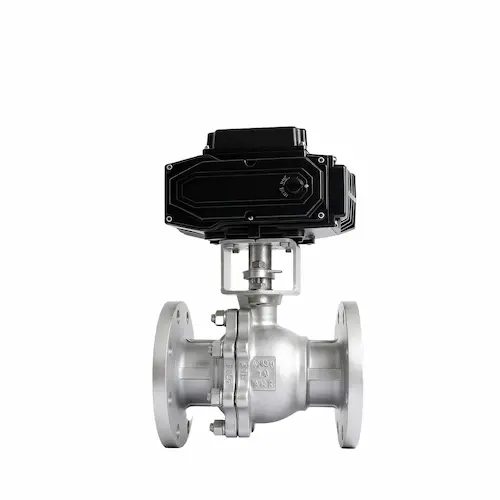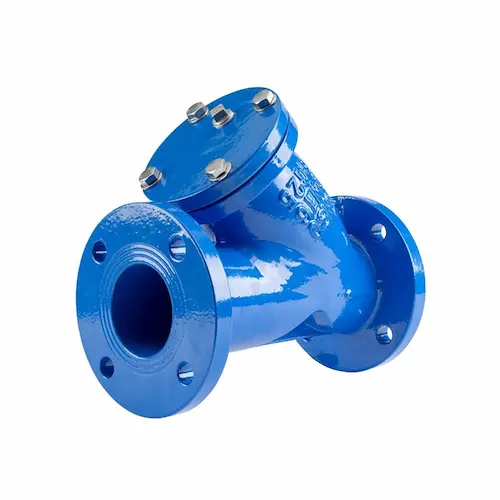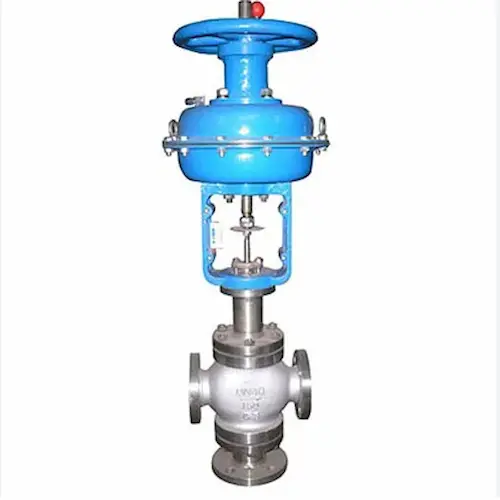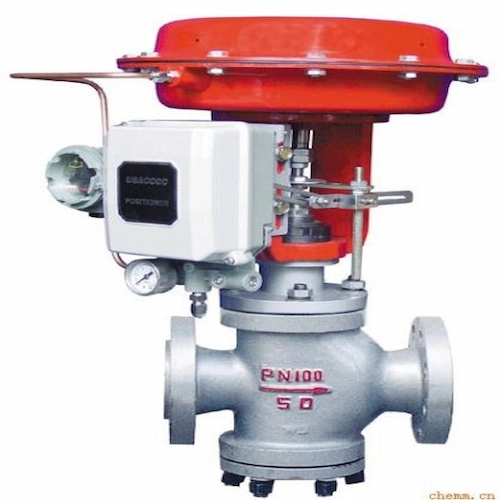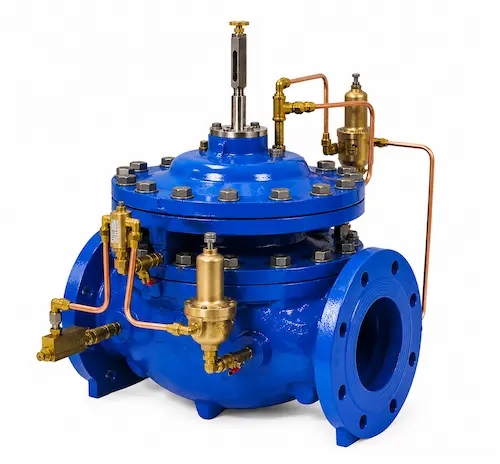

Vcore Valve supplies industrial control valves for accurate flow, pressure, temperature and process regulation in steam systems, chemical processing, power plants, oil and gas utilities, water treatment and general industrial pipelines. Available options include pneumatic control valves, electric control valves, globe control valves, angle control valves, cage-guided control valves, steam control valves and customized control valve solutions.
Control valves are different from ordinary manual valves. They are designed to modulate flow according to process signals, actuator movement and positioner feedback. Correct selection should consider Cv value, pressure drop, flow characteristic, actuator type, fail-safe position, leakage class, material compatibility and operating conditions.
Send us your working medium, flow rate, inlet pressure, outlet pressure, temperature, valve size, material requirement, control signal, actuator type and fail position. Vcore Valve can help recommend a suitable control valve configuration before quotation.
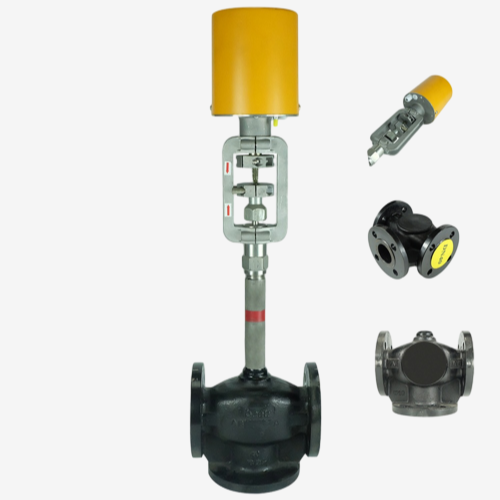
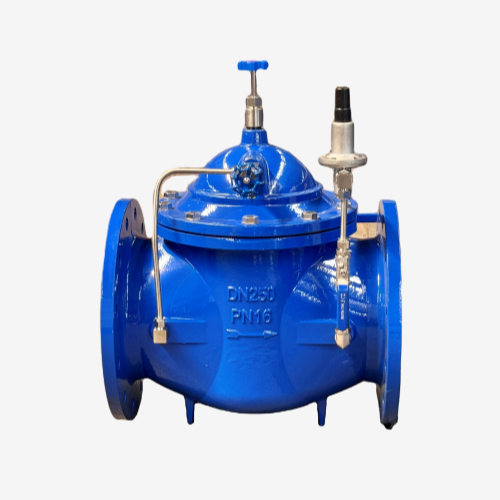
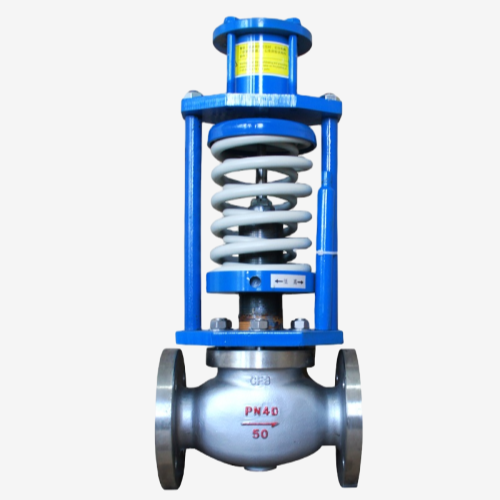
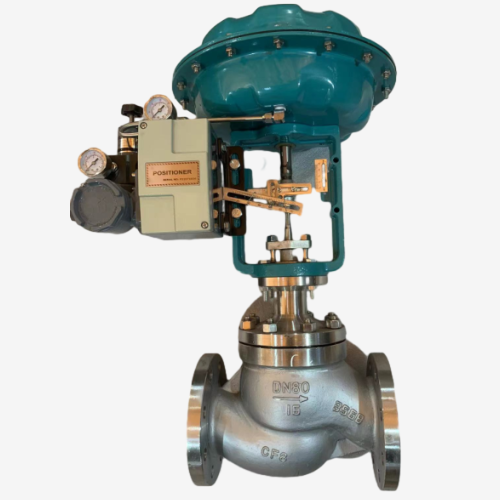
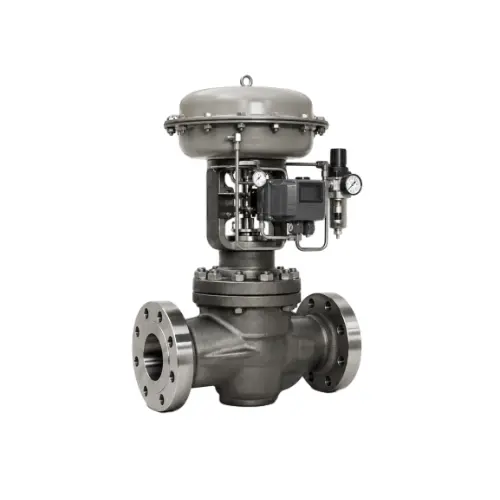
Vcore Valve supports customized control valve solutions for steam systems, chemical processing, power plants, oil and gas utilities, water treatment, HVAC, boiler systems and industrial process control. Unlike ordinary shut-off valves, control valves must be selected according to process data, control accuracy, actuator performance and real operating conditions.
Available customization options include valve body type, body material, trim design, Cv value, flow characteristic, actuator type, positioner, control signal, fail-safe position, seat leakage requirement, noise reduction, anti-cavitation design, inspection requirements and export packing.
Choosing the right control valve depends on the process medium, required flow rate, inlet pressure, outlet pressure, pressure drop, temperature, valve size, body material, trim design, flow characteristic, actuator type, control signal, positioner requirement and fail-safe action. A control valve should not be selected only by pipe size, because incorrect Cv sizing, actuator selection or trim configuration can cause poor control accuracy, vibration, noise, cavitation, flashing or unstable operation.
| Control Valve Type | Best Used For | Buyer Notes |
|---|---|---|
| Pneumatic Globe Control Valve | Steam, chemical, water, gas and industrial process regulation | Common choice for accurate modulating control. Confirm actuator size, positioner, air supply and fail position. |
| Electric Control Valve | Sites without instrument air or requiring electric automation | Confirm voltage, control signal, duty cycle, enclosure protection and torque/thrust requirement. |
| Cage-Guided Control Valve | High pressure drop, steam, power plant and demanding process service | Useful for better trim guidance, noise control or anti-cavitation design depending on process conditions. |
| Angle Control Valve | Steam, condensate, boiler, high pressure drop or special piping layouts | Combines direction change and control function. Confirm erosion, flashing or cavitation risk. |
| Steam Control Valve | Steam pressure, temperature and flow regulation | Body material, trim material, packing, gasket and pressure-temperature rating must match steam conditions. |
| V-Port Ball Control Valve | Applications requiring higher flow capacity and modulating control | Suitable for certain flow control duties, but not a replacement for globe control valves in all precision-control applications. |
| Advantage | Why It Matters | Application Value |
|---|---|---|
| Accurate Process Regulation | Control valves modulate flow, pressure or temperature according to control signals and positioner feedback. | Supports stable operation in steam, chemical, power plant, water and industrial process systems. |
| Project-Based Cv Sizing | Correct Cv selection helps avoid undersizing, oversizing, poor controllability and unstable valve travel. | Improves control performance and reduces commissioning problems. |
| Flexible Actuator Options | Pneumatic and electric actuators can be selected according to site air supply, power supply and automation requirements. | Suitable for both process plants and utility systems with different control architectures. |
| Trim and Material Customization | Trim material, flow characteristic, seat design and body material can be configured according to medium and pressure drop. | Helps reduce cavitation, flashing, erosion, leakage and premature trim wear. |
| Complete Control Accessories | Positioner, air filter regulator, solenoid valve, limit switch and handwheel options can be supplied. | Helps buyers receive a more complete control valve package for installation and commissioning. |
| Field | Applicable Control Valve Type | Key Requirements & Features |
|---|---|---|
| Steam Systems | Steam Control Valve / Cage-Guided Control Valve | Used for steam pressure, flow and temperature regulation. Pressure drop, noise, packing, trim material and fail-safe action should be confirmed. |
| Chemical Processing | Pneumatic Globe Control Valve / Stainless Steel Control Valve | Material compatibility, leakage requirement, corrosion resistance and actuator response should be selected according to process media. |
| Power Generation | High Pressure Control Valve / Angle Control Valve | Suitable for boiler feedwater, auxiliary steam, condensate and thermal process control where pressure-temperature rating and trim durability matter. |
| Oil & Gas Utilities | Globe Control Valve / V-Port Ball Control Valve | Used for compatible gas, oil, water and utility service where modulating control is required. Confirm control signal, fail position and material standard. |
| Water Treatment Systems | Electric Control Valve / Pneumatic Control Valve | Used for flow, pressure and level-related control in filtration, pump stations, dosing lines and process water systems. |
| HVAC and Industrial Utilities | Electric Control Valve / Globe Control Valve | Suitable for cooling water, heating systems and utility flow regulation where stable modulation and automation are required. |
A control valve is used to regulate flow, pressure, temperature or liquid level in industrial process systems. It receives a control signal and modulates valve opening through an actuator and positioner to maintain stable process conditions.
Control valve sizing usually requires medium, flow rate, inlet pressure, outlet pressure, pressure drop, temperature, density or specific gravity, pipe size, required control range, leakage requirement and operating conditions. For steam or gas service, additional process data may be needed.
A globe valve is a valve body type that can be used for manual throttling or shut-off. A control valve is a complete automated control assembly, usually including a valve body, actuator, positioner and control accessories for modulating process control.
Pneumatic control valves are commonly used in process plants where instrument air is available and fast, stable modulation is required. Electric control valves may be suitable where instrument air is not available or where electric automation is preferred.
Please provide medium, flow rate, inlet pressure, outlet pressure, temperature, valve size, material requirement, control signal, actuator type, fail position, leakage requirement, quantity and project drawings if available. This helps Vcore Valve recommend the correct control valve configuration.
Send us your working medium, flow rate, inlet pressure, outlet pressure, temperature, valve size, body material, control signal, actuator type, fail position and quantity. Vcore Valve can help you select a suitable control valve solution for your project.
Vcore Valve provides industrial flow control solutions for chemical processing, oil & gas, water treatment, power generation, and high-pressure pipeline applications. We supply reliable ball valves, butterfly valves, gate valves, globe valves, check valves, control valves, and customized valve solutions for demanding industrial projects.
Production
QC
Testing
Materials
Stay up to date with our latest valve products, technical resources, and project solutions.