
1. Introduction to Sanitary Valves
Sanitary valves are critical components in industries requiring stringent hygiene, cleanliness, and contamination prevention, such as food and beverage processing, pharmaceuticals, and biotechnology. Designed to meet international hygienic standards, these valves ensure safe, efficient fluid control while adhering to the highest cleanliness and safety levels.
At Vcore Valve, we provide sanitary valves designed for clean-in-place (CIP) and sterilize-in-place (SIP) applications. These valves meet strict sanitation requirements like FDA, 3A, and EHEDG, ensuring they perform reliably in the most demanding hygienic systems.
2. Key Features of Vcore Sanitary Valves
Hygienic Design
Our sanitary valves feature smooth internal surfaces with no dead zones, preventing bacterial growth and ensuring easy cleaning. This design is essential for compliance with sanitary regulations.
High-Quality Materials
Vcore sanitary valves are crafted from high-grade stainless steel such as SS304 and SS316L, providing excellent corrosion resistance and durability, even in aggressive cleaning processes.
Leak-Free Sealing
The valves are equipped with EPDM or PTFE seals to ensure a leak-free connection, maintaining system integrity and minimizing contamination risks.
Wide Range of Sizes and Configurations
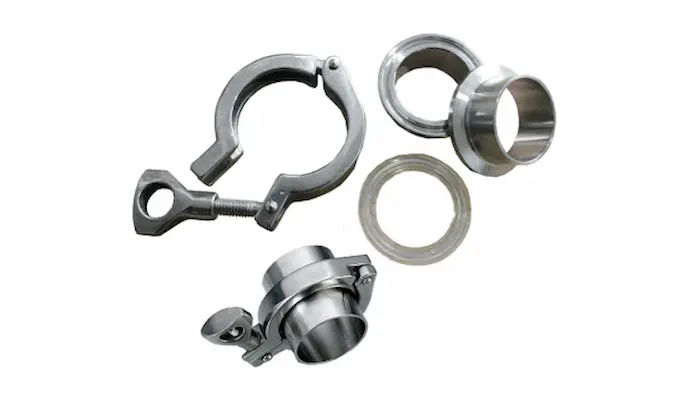
Our sanitary valves come in a range of sizes from 1/2” to 4” (DN15 – DN100) and feature tri-clamp or butt-weld connections to suit various system configurations.
Easy Installation and Maintenance
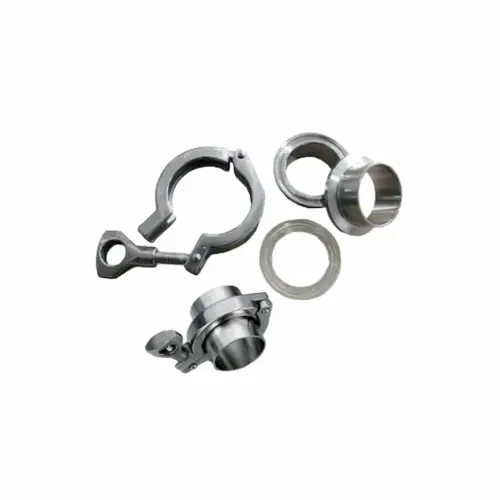
With tri-clamp connections, Vcore sanitary valves are easy to install and maintain, allowing for quick removal and cleaning, reducing system downtime.
3. How Sanitary Valves Work
Sanitary valves are designed for several functions in hygienic systems:
-
Flow Control: Managing the flow rate of liquids or gases in food, beverage, or pharmaceutical production.
-
Shut-Off: Preventing fluid movement by creating a reliable seal, often used in system isolation.
-
Diverting: Redirecting fluids during processes such as mixing or separating.
-
Relief: Maintaining safe operating pressures in the system.
These valves are designed to ensure that the system remains sanitary and fully operational, even during maintenance or cleaning cycles.
4. Applications of Sanitary Valves
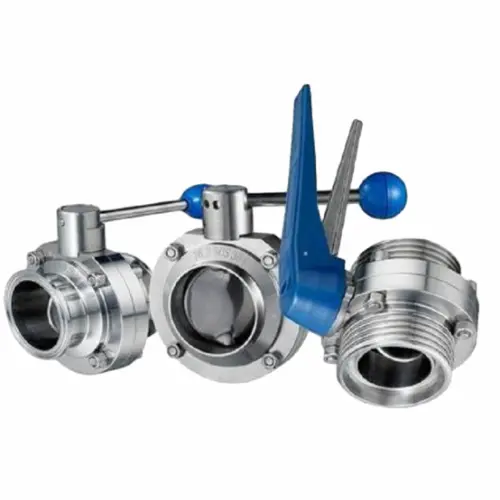
Vcore sanitary valves are used in a variety of industries that require high hygiene standards, including:
-
Food and Beverage Processing: Used in processing, bottling, and packaging lines to ensure the highest sanitary conditions.
-
Pharmaceutical and Biotech: Handling sensitive materials such as active pharmaceutical ingredients (APIs) in controlled environments.
-
Dairy Production: For processing milk and dairy products, ensuring safety and purity.
-
Cosmetics Manufacturing: Handling lotions, creams, and other cosmetic ingredients requiring sanitary processing.
5. Sanitary Valve Advantages
Compliance with International Standards
Vcore sanitary valves meet the highest industry standards, including 3A, FDA, EHEDG, and ISO, ensuring your system is fully compliant with sanitary regulations.
Durability and Corrosion Resistance
Made from premium stainless steel alloys, Vcore valves can withstand harsh cleaning processes and resist corrosion from chemicals, ensuring long service life.
Cost-Effective and Efficient Performance
Our valves are designed to deliver cost savings by reducing maintenance costs and downtime, improving operational efficiency in sanitary systems.
6. Installation and Maintenance
Vcore sanitary valves are designed for quick installation and easy maintenance, offering:
-
Fast Installation: Tri-clamp connections allow for easy assembly and disassembly without welding.
-
Simple Maintenance: The valve components are easy to remove, clean, and replace, reducing operational downtime.
-
Durability: Designed for long-lasting performance, reducing the frequency of maintenance and valve replacement.
7. Material Options
Vcore sanitary valves are available in various materials to suit different process environments:
-
SS304: Excellent for general-purpose applications with good corrosion resistance.
-
SS316L: Offers superior corrosion resistance for aggressive environments, ideal for pharmaceutical and food processing applications.
8. Why Choose Vcore Valve for Sanitary Valve Solutions
At Vcore Valve, we are dedicated to providing top-tier sanitary valve solutions that meet the highest standards for safety, performance, and hygiene. With a focus on durability, ease of maintenance, and operational efficiency, our valves are perfect for industries where cleanliness and contamination prevention are essential.
Our team works closely with customers to ensure that every sanitary valve solution is tailored to meet your specific application needs, helping you comply with strict regulatory requirements while maximizing operational efficiency.
9. FAQs
Q1: What is the difference between sanitary valves and regular industrial valves?
A1: Sanitary valves are specifically designed to meet hygienic requirements for industries like food processing and pharmaceuticals. They feature smooth surfaces with no dead zones to prevent contamination, whereas regular industrial valves may not meet these strict sanitation standards.
Q2: Can Vcore sanitary valves be used in pharmaceutical applications?
A2: Yes, Vcore sanitary valves are FDA-compliant and EHEDG-certified, making them ideal for pharmaceutical and biotech applications where contamination prevention and hygiene are critical.
Q3: How do I maintain a sanitary valve to ensure optimal performance?
A3: Regular clean-in-place (CIP) and sterilize-in-place (SIP) procedures are recommended to keep Vcore sanitary valves in top condition. Easy-to-remove components make maintenance hassle-free and quick.
Q4: What materials are used in Vcore sanitary valves?
A4: Vcore sanitary valves are made from SS304 and SS316L, both of which are highly resistant to corrosion and suitable for hygienic systems that require frequent cleaning.
Q5: Are Vcore sanitary valves easy to install?
A5: Yes, Vcore sanitary valves are designed with tri-clamp connections for easy installation and disassembly, allowing for efficient setup and maintenance in hygienic systems.