
 Vacuum Ball Valve Overview
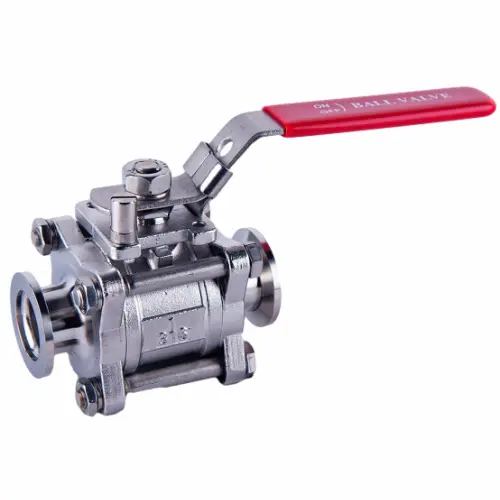
Vacuum ball valves are designed specifically for high-vacuum and ultra-high-vacuum pipeline systems where precise flow isolation and leak-tight sealing are essential. Unlike standard ball valves used in general industrial pipelines, vacuum ball valves are manufactured with high-precision sealing surfaces, specialized materials, and strict leakage control, ensuring stable performance under extremely low pressure environments.
At Vcore Valve, our vacuum ball valves are engineered to meet the demanding requirements of vacuum processing equipment, semiconductor manufacturing, laboratory systems, and high-purity industrial pipelines. With excellent sealing capability and smooth operation, these valves help maintain stable vacuum conditions and improve system efficiency.
Vacuum systems are extremely sensitive to leakage or contamination. Even a small leak can disrupt the vacuum level and affect production processes. For this reason, Vcore vacuum ball valves are manufactured using precision machining, high-grade stainless steel materials, and advanced sealing technology, ensuring reliable operation in critical vacuum environments.
Key Features of Vcore Vacuum Ball Valves
High Vacuum Sealing Performance
One of the most important characteristics of a vacuum ball valve is its ability to maintain a tight seal under low pressure conditions. Vcore vacuum ball valves use precision-machined balls and seats that minimize leakage and maintain system stability.
Smooth and Reliable Operation
The ball inside the valve rotates 90 degrees to open or close the flow path. This design provides fast response, low torque operation, and reliable shut-off, making the valve suitable for automated and manual systems.
High Quality Stainless Steel Construction
Vcore vacuum ball valves are commonly manufactured from SS304 or SS316L stainless steel, offering excellent corrosion resistance and mechanical strength. These materials are ideal for vacuum applications where cleanliness and durability are critical.
Low Outgassing Materials
Vacuum environments require materials that release minimal gas under low pressure. Our valves use vacuum-compatible seals such as PTFE or PEEK, ensuring stable vacuum conditions.
Precision Surface Finishing
All internal surfaces are carefully polished to reduce contamination risks and improve sealing performance, which is especially important for cleanroom and semiconductor processes.
Vacuum Ball Valve Technical Specifications
| Feature | Specification |
|---|---|
| Valve Type | Vacuum Ball Valve |
| Size Range | DN15 – DN150 (1/2 inch – 6 inch) |
| Body Material | Stainless Steel 304 / Stainless Steel 316L |
| Seal Material | PTFE, PEEK |
| Connection Type | Flanged, Welded, ISO Vacuum Flange |
| Vacuum Level | High Vacuum / Ultra High Vacuum |
| Operating Temperature | -20°C to 200°C |
| Operation | Manual Lever, Electric Actuator, Pneumatic Actuator |
| Leakage Rate | ≤ 10⁻⁹ mbar·L/s |
 How a Vacuum Ball Valve Works
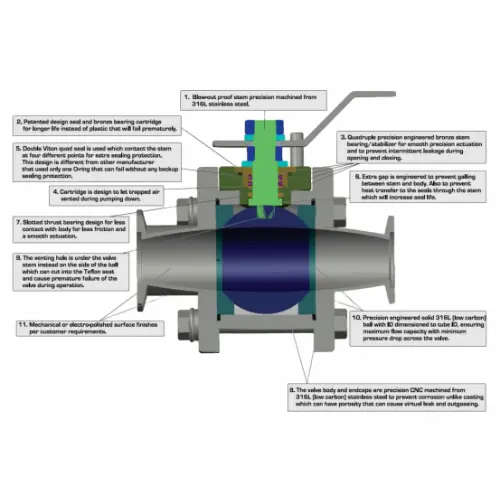 How a Vacuum Ball Valve Works
A vacuum ball valve uses a precision spherical ball with a through hole to control the flow of gas or vapor inside a vacuum system.
When the valve handle or actuator rotates the ball 90 degrees, the hole inside the ball aligns with the pipeline, allowing flow to pass through. When the ball rotates again, the hole moves perpendicular to the pipeline, completely blocking the passage.
In vacuum systems, the sealing surfaces are specially designed to maintain tight contact even under extremely low pressure. This ensures that no external air enters the system and no internal gas escapes, preserving the required vacuum level.
Typical Applications of Vacuum Ball Valves
Vacuum ball valves are widely used in industries that rely on stable vacuum environments. Common applications include:
Semiconductor manufacturing
Vacuum coating equipment
Laboratory vacuum systems
Chemical processing plants
Pharmaceutical production lines
Vacuum drying equipment
Scientific research facilities
High-purity gas pipelines
In these applications, maintaining a stable vacuum environment is critical for product quality and process reliability. Vcore vacuum ball valves provide dependable isolation and long service life in these demanding environments.
Advantages of Vacuum Ball Valves
Excellent Sealing Performance
Precision sealing surfaces ensure extremely low leakage rates, making the valve suitable for high-vacuum systems.
Compact and Efficient Design
The simple ball valve structure allows for quick opening and closing with minimal operating torque.
Long Service Life
High-quality stainless steel construction and durable sealing materials ensure long-term reliability even in harsh operating conditions.
Easy Automation
Vacuum ball valves can be easily integrated with electric or pneumatic actuators, enabling remote control and automated operation in modern vacuum systems.
Low Maintenance Requirements
The robust design and high-precision components reduce wear and maintenance frequency, lowering operating costs.
Installation and Maintenance
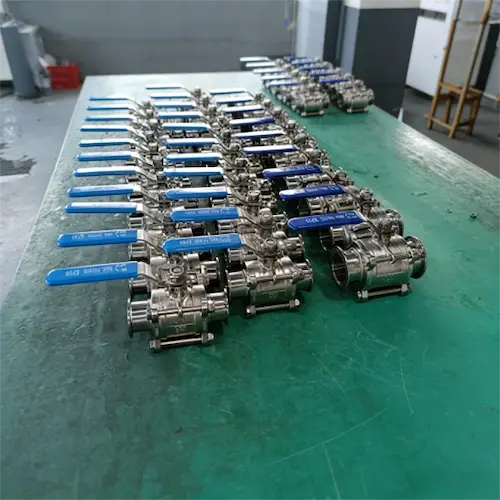 Installation and Maintenance
Proper installation plays an important role in maintaining vacuum system performance.
Vacuum ball valves should be installed with clean connections and proper sealing gaskets to prevent air leakage. The pipeline must be free from dust, oil, or contaminants before installation.
Routine maintenance includes periodic inspection of the sealing surfaces and actuator components. In most vacuum applications, Vcore vacuum ball valves require minimal maintenance, thanks to their durable design and high-precision construction.
Why Choose Vcore Valve Vacuum Ball Valves
At Vcore Valve, we focus on delivering high-quality vacuum valve solutions that meet the strict requirements of modern industrial systems. Our vacuum ball valves are manufactured using advanced machining technology and rigorous quality control processes to ensure consistent performance.
With years of experience in industrial valve manufacturing, Vcore Valve provides products that combine precision engineering, durable materials, and reliable sealing performance, helping customers maintain stable vacuum conditions and improve system efficiency.
Whether used in semiconductor production, laboratory research, or chemical processing, Vcore vacuum ball valves provide dependable operation for demanding vacuum environments.
FAQ: Common Questions About Vacuum Ball Valves
What is the difference between a vacuum ball valve and a standard ball valve?
A vacuum ball valve is specifically designed for low pressure environments. It features precision sealing surfaces and vacuum-compatible materials to minimize leakage and maintain stable vacuum conditions.
What materials are typically used for vacuum ball valves?
Most vacuum ball valves are made from stainless steel such as SS304 or SS316L. Sealing materials often include PTFE or PEEK due to their excellent vacuum compatibility.
Can vacuum ball valves be automated?
Yes. Vacuum ball valves can be equipped with pneumatic or electric actuators, allowing remote control and automated operation in industrial systems.
What industries use vacuum ball valves?
These valves are commonly used in semiconductor manufacturing, vacuum coating equipment, laboratories, pharmaceutical production, and chemical processing systems.
How do I maintain a vacuum ball valve?
Maintenance usually involves periodic inspection of seals and cleaning of internal components. With proper installation and operation, vacuum ball valves require minimal maintenance.