
Why Install a Check Valve at the Pump Outlet?
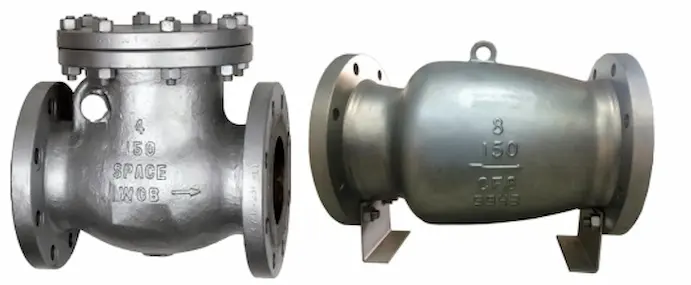
Learn why check valves are installed at pump outlets to prevent reverse flow, reverse pump rotation, water hammer, seal damage, and unstable system operation. The guide also explains proper installation position, valve selection, and why fast-closing designs such as nozzle check valves are often preferred for pump discharge lines.
How to Tell If a Valve Is Open or Closed: Position Indicator Guide
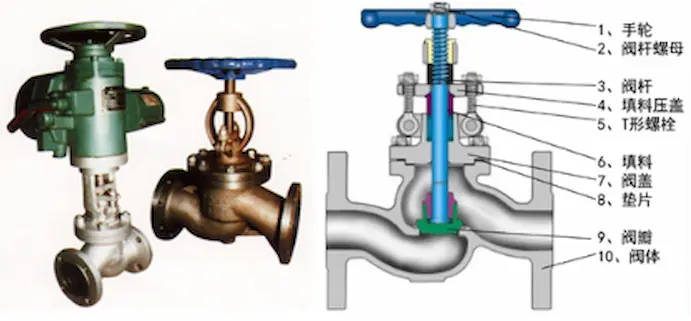
Learn how to determine whether a valve is open, closed, or partially open by checking handle direction, stem position, handwheel travel, actuator indicators, position feedback, flow response, and operating records. The guide explains common valve position indicators for ball valves, gate valves, globe valves, check valves, and automated valves, while highlighting inspection, maintenance, lockout/tagout, and safety practices that help prevent misoperation in industrial, HVAC, plumbing, and process systems.
Backflow Preventer vs Check Valve: Which One is Right for You?
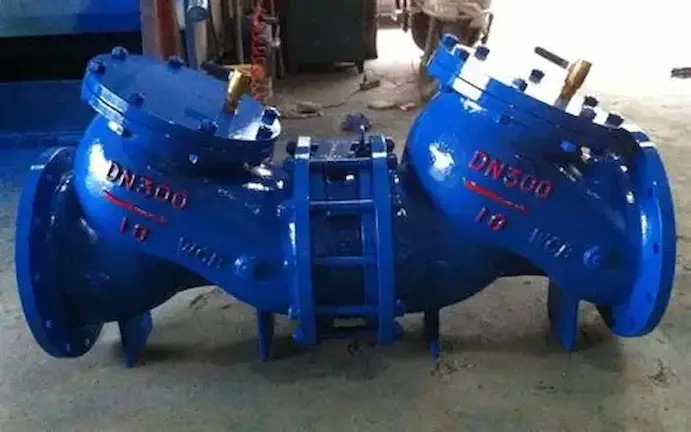
Compare backflow preventers and check valves by protection level, internal design, testing requirements, cost, and application. Backflow preventers use multiple protective components to safeguard potable water from backsiphonage and backpressure contamination, while check valves provide simpler one-way flow control for pumps, HVAC, fire protection, and general industrial pipelines.
Which Valve Should Never Be Used for Flow Control?
Quick Summary flow control. Many valves excel at shut-off or isolation but falter when precise fluid regulation is needed. This guide breaks down which valves to steer clear of for flow management, explains the risks of poor selection, and highlights the top performers to keep your process system running smoothly. Imagine you are tasked with […]
Bronze Valve Selection: 9 Best Industrial Tips
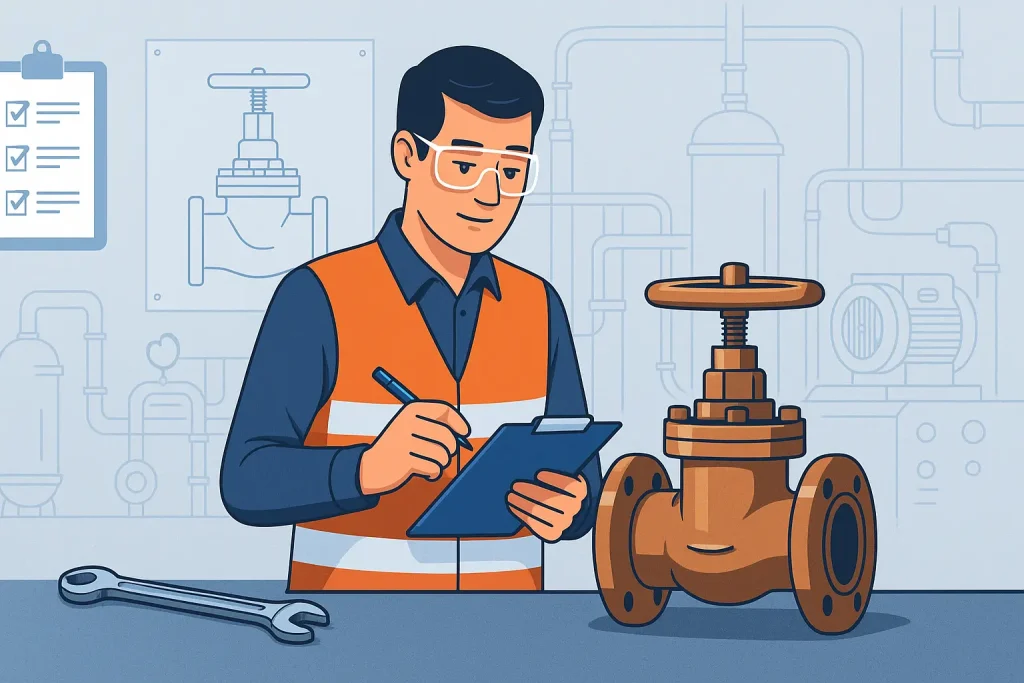
Use this bronze valve selection guide to match material grade, pressure, connection, seawater exposure, media, and maintenance needs in industrial service.