
Cast Iron vs Ductile Iron Valve Material: What Is the Difference?
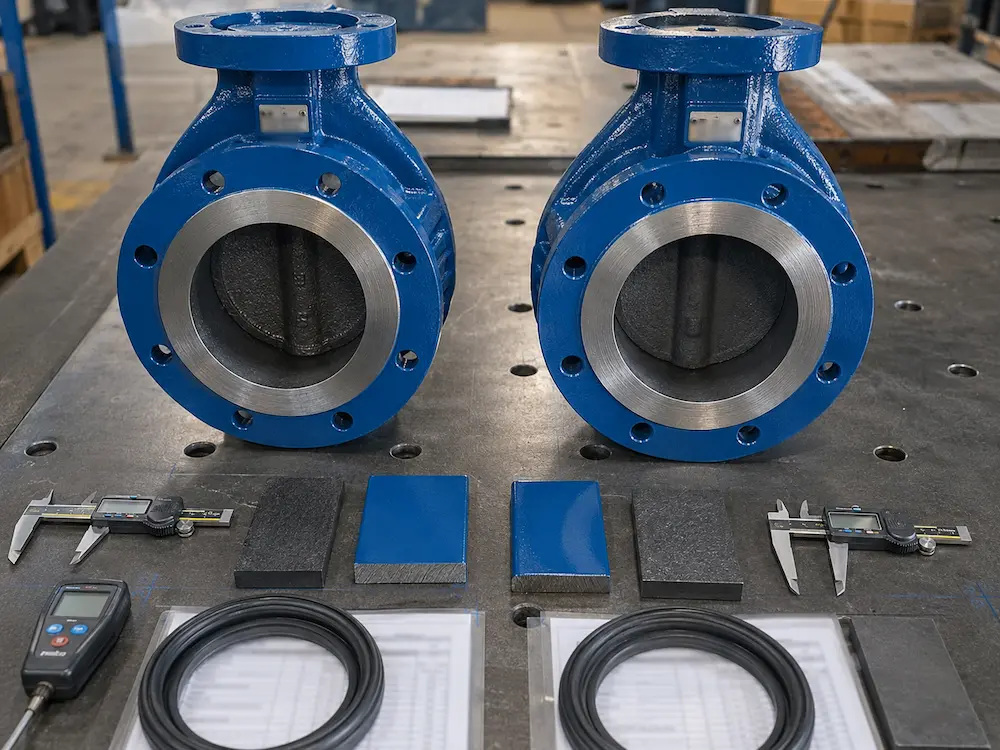
Compare cast iron and ductile iron valve materials by strength, toughness, pressure rating, water service, wastewater use, corrosion protection, cost, and selection requirements.
Ductile Iron Ball Check Valve Shipped to Russia | Vcore Valve
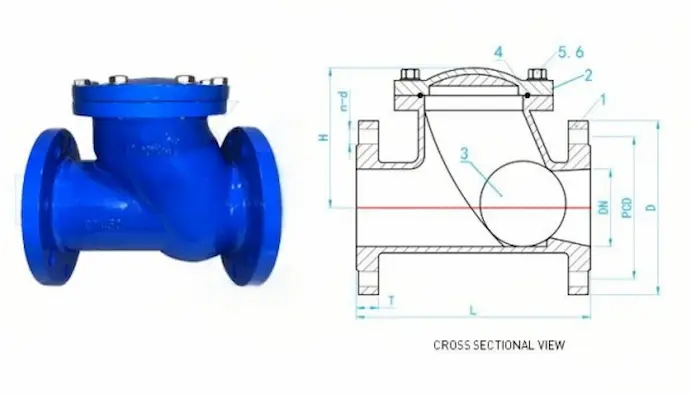
Learn how ductile iron ball check valves were selected and shipped for water and industrial pipeline applications in Russia. The case highlights key factors such as backflow prevention, PN10/PN16 pressure ratings, flanged connection, rubber-coated ball construction, cold-environment considerations, pressure testing, export packaging, and supplier reliability for international valve projects.
Ductile Iron vs Cast Steel Valves | Material Selection Guide
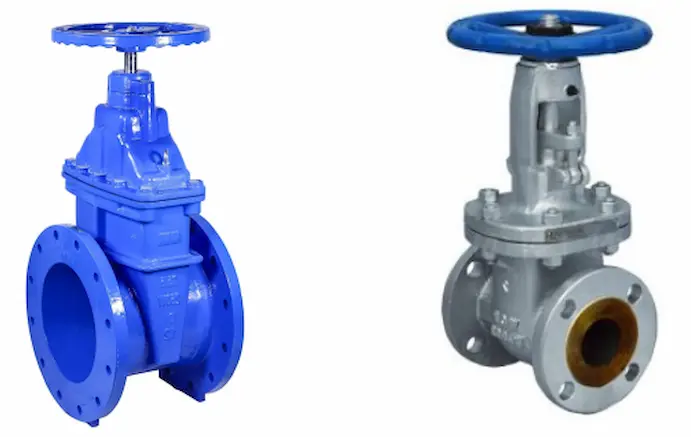
Compare ductile iron and cast steel valves by mechanical strength, pressure and temperature capability, corrosion protection, weight, cost, standards, and application. Ductile iron valves provide a lighter and more economical solution for water supply, wastewater, HVAC, and moderate-pressure systems, while cast steel valves offer greater strength and reliability for high-pressure, high-temperature, steam, oil and gas, petrochemical, and other demanding industrial services.
Floating Valves in Industrial Applications: Materials and Types Overview
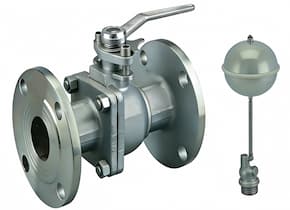
Learn the main types of floating valves used in industrial fluid systems and how to select the correct design for pipeline isolation, tank level control, or automatic water replenishment. The guide explains floating ball valves, float-controlled hydraulic valves, and float-operated angle globe valves, while comparing their control methods, materials, installation locations, and key selection factors for water, storage, process, and utility applications.