
Ball Valve Applications: Water, Gas, Steam, Oil and Chemical Service
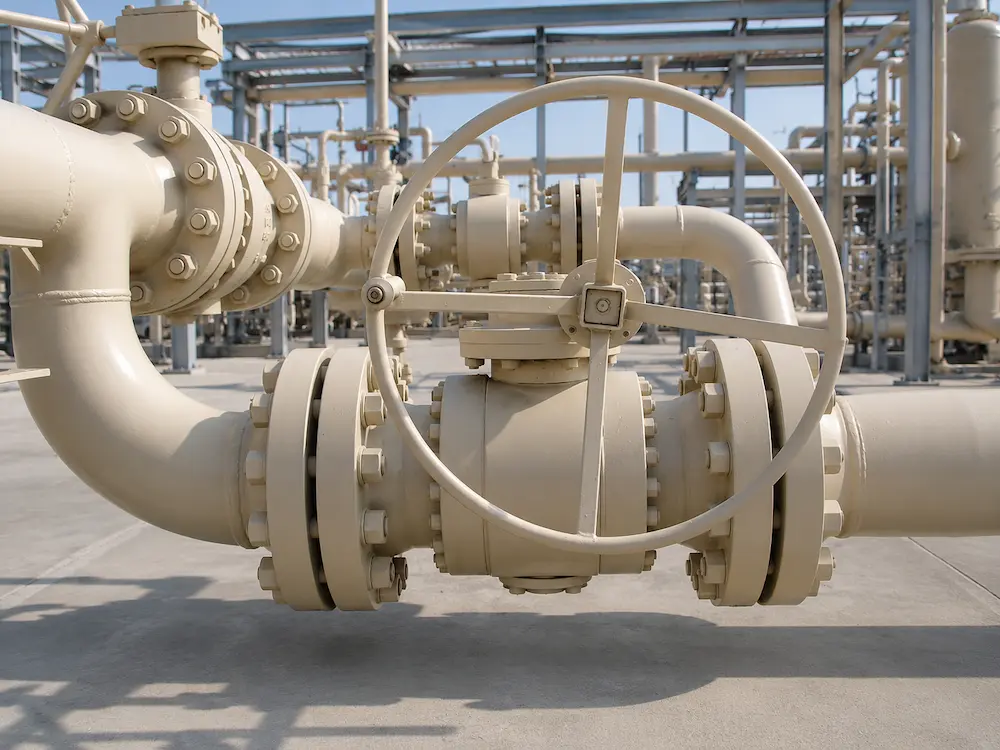
Learn common ball valve applications in water, gas, steam, oil, chemical, utility, and industrial process pipelines, including material, seat, pressure, and operation selection tips.
Industrial Ball Valves: 12 Best Types, Materials and Selection Tips
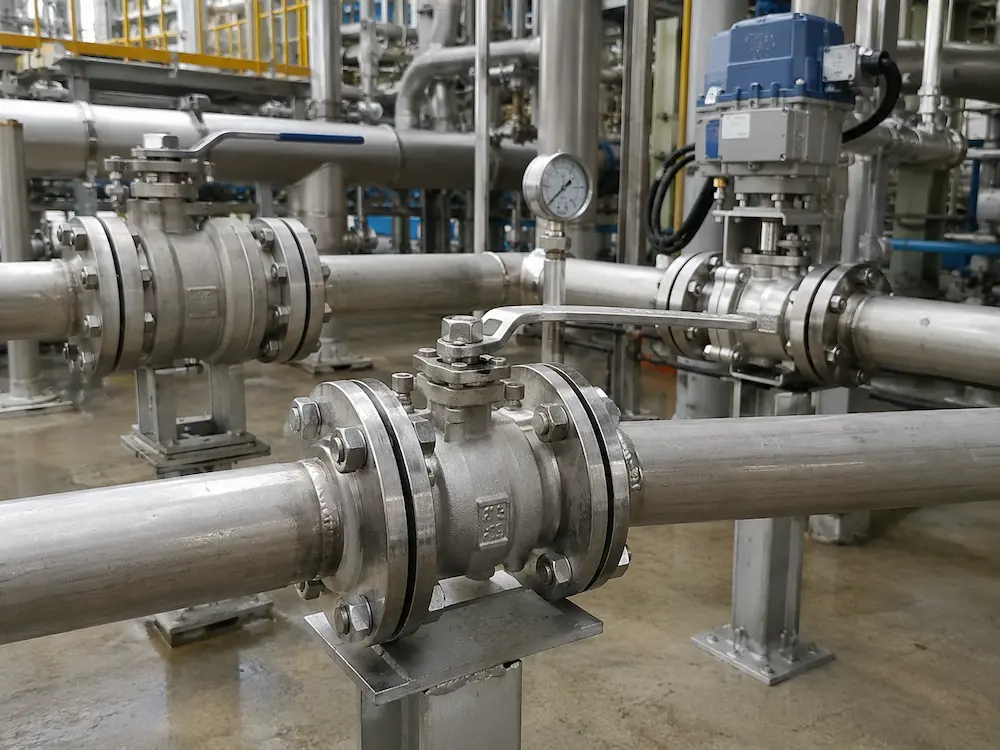
Learn how to choose industrial ball valves by valve type, material, seat design, port type, connection, pressure, temperature, media, automation, and application.
Low-Torque Ball Valves for Automation: Torque, Actuator Sizing and Selection
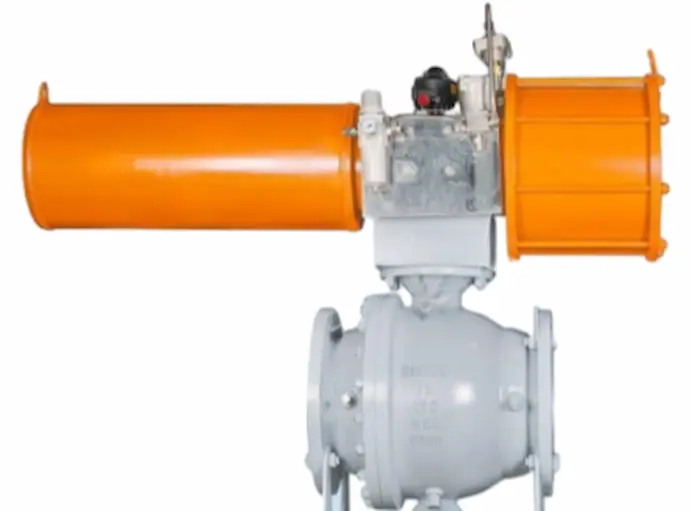
Learn why low-torque ball valves are important for pneumatic and electric automation systems. The guide explains how seat friction, ball surface finish, stem design, bearing support, pressure differential, media conditions, and torque consistency affect actuator sizing, air or power consumption, cycling reliability, positioning stability, and long-term performance in automated industrial valve packages.
Electric Ball Valves: Selection Guide for Industrial Applications
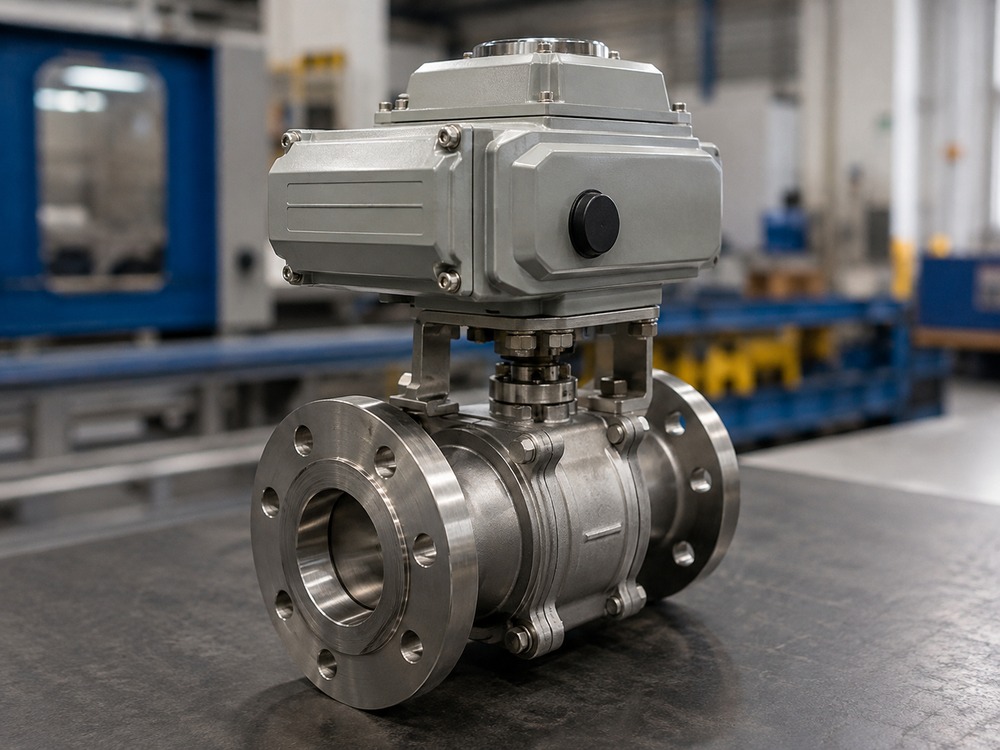
A practical guide to electric ball valves: how they work, key components, ON/OFF vs modulating control, actuator torque selection, materials, applications, and RFQ checklist for industrial buyers.