
Industrial Ball Valves: 12 Best Types, Materials and Selection Tips
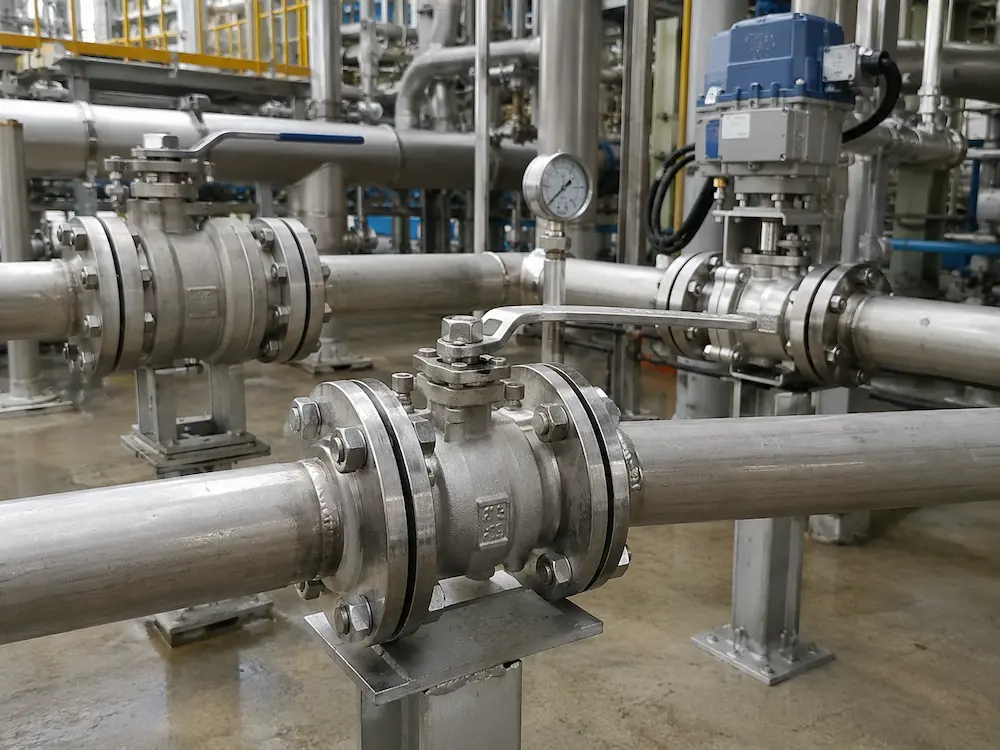
Learn how to choose industrial ball valves by valve type, material, seat design, port type, connection, pressure, temperature, media, automation, and application.
Floating vs Fixed Ball Valves: Key Differences Explained
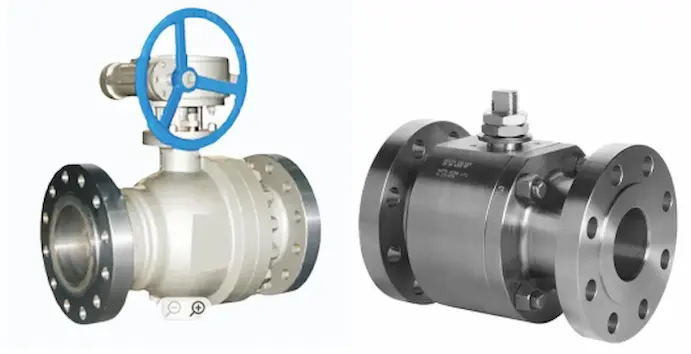
Compare floating and fixed (trunnion-mounted) ball valves by ball support, sealing mechanism, operating torque, pressure capability, valve size, cost, and application. Floating ball valves provide a simpler and more economical solution for small- to medium-size, low- and medium-pressure pipelines, while fixed ball valves offer lower torque and greater sealing stability for large-diameter, high-pressure oil, gas, power, and process systems.
CF8M Ball Valve Guide: Material, Uses & Benefits
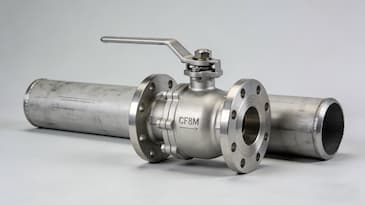
Learn how CF8M ball valves are selected for corrosion-resistant industrial service using ASTM A351 cast 316 stainless steel material. The guide explains CF8M material meaning, differences from CF8, WCB and forged 316 stainless steel, corrosion and chloride limitations, pressure-temperature considerations, seat material selection, and key applications in chemical processing, water treatment, marine, food, and general industrial systems.
Floating vs Trunnion Ball Valve: What’s the Difference?
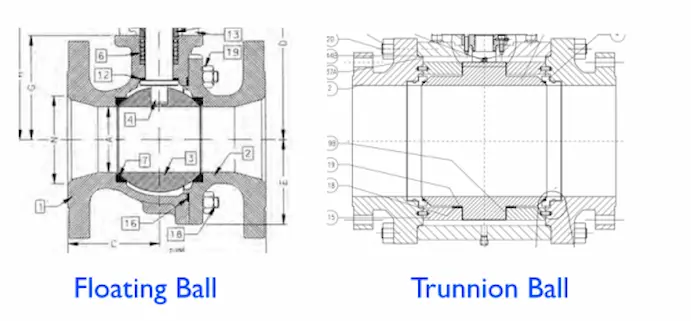
Compare floating and trunnion ball valves by structure, pressure capability, sealing principle, operating torque, size range, applications, cost, and buyer selection requirements.
Floating Valves in Industrial Applications: Materials and Types Overview
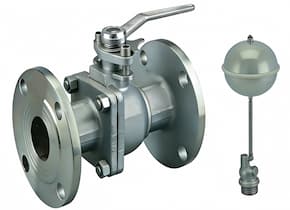
Learn the main types of floating valves used in industrial fluid systems and how to select the correct design for pipeline isolation, tank level control, or automatic water replenishment. The guide explains floating ball valves, float-controlled hydraulic valves, and float-operated angle globe valves, while comparing their control methods, materials, installation locations, and key selection factors for water, storage, process, and utility applications.