
What is a Piggable Valve? Understanding Its Role in Pipeline Maintenance
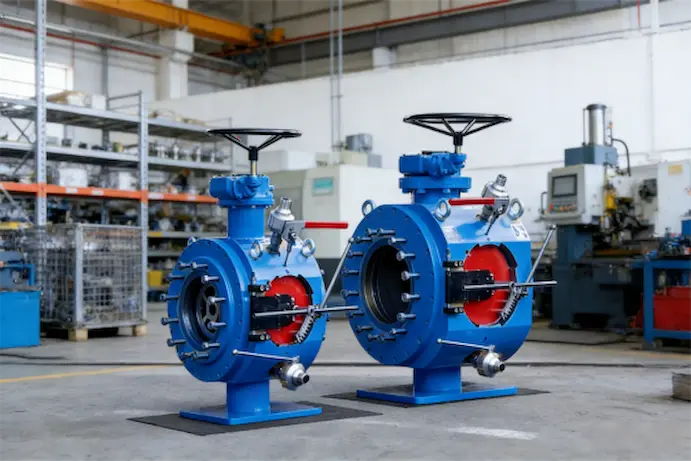
Quick Overview A piggable valve is an essential component in pipeline systems designed to allow the passage of pigs—devices used for cleaning, inspection, and maintenance of pipelines. These valves enable efficient pipeline cleaning, ensuring smooth operations, preventing blockages, and reducing downtime in industrial applications. Introduction: The Importance of Piggable Valves in Pipeline Maintenance Pipelines play […]
Valves for Sugar Industry
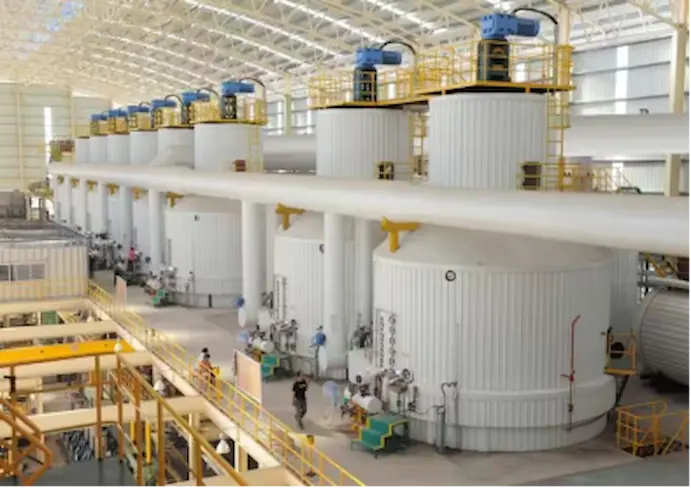
Quick Overview In the sugar industry, the importance of selecting the right valves cannot be overstated. Valves play a critical role in ensuring smooth operations, controlling the flow of liquids and gases, and maintaining safety across various stages of sugar processing. This article explores the types of valves that are most commonly used in sugar […]
Long Pattern vs Short Pattern Ball Valve: Key Differences and Applications
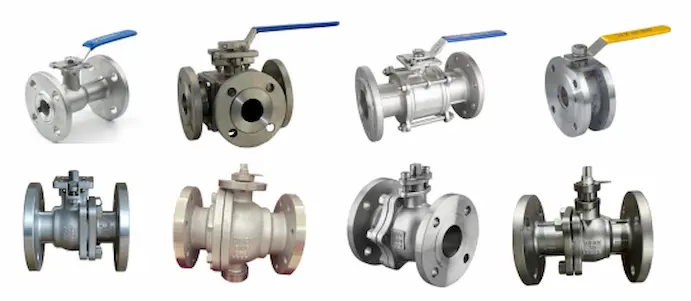
Quick Overview Ball valves are a staple in industrial systems, offering precision control and durability. The main distinction between long pattern and short pattern ball valves lies in their design, which directly impacts their performance, durability, and application suitability. This guide helps you understand both valve types and make the right choice for your needs. […]
How Plug Valves Differ from Gate Valves
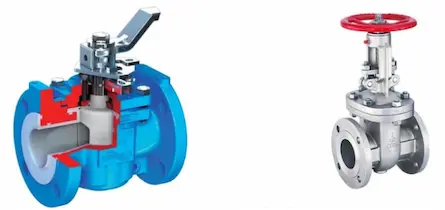
Quick Overview Plug valves and gate valves are two of the most widely used industrial shut-off valves—but their structure, function and ideal applications differ greatly. At Vcore Valve, we often help buyers understand which one suits pipelines for water, oil, gas, chemical media or abrasive fluids. This guide compares plug valves and gate valves in […]
Ball Valves vs Gate Valves: Key Differences, Uses & Which to Choose
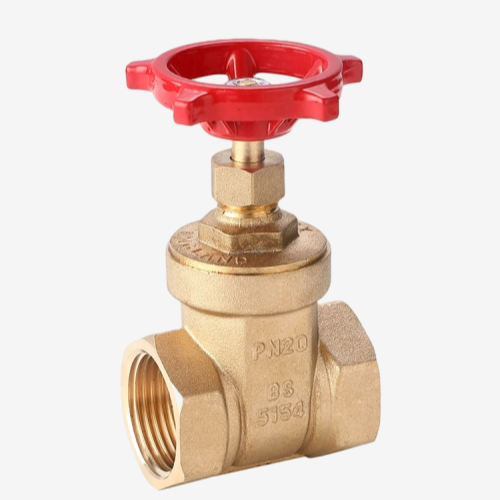
Quick Overview Ball valves and gate valves are two of the most widely used flow control valves in industrial, commercial, and residential settings. While both regulate fluid or gas flow, their designs, working mechanisms, and ideal applications differ drastically. A ball valve uses a rotating ball for quarter-turn operation, offering quick shut-offs and tight sealing, whereas a […]
Which Valve Should Never Be Used for Flow Control?
Quick Summary flow control. Many valves excel at shut-off or isolation but falter when precise fluid regulation is needed. This guide breaks down which valves to steer clear of for flow management, explains the risks of poor selection, and highlights the top performers to keep your process system running smoothly. Imagine you are tasked with […]
Top 6 Applications of Ball Valves in the Oil and Gas Industry
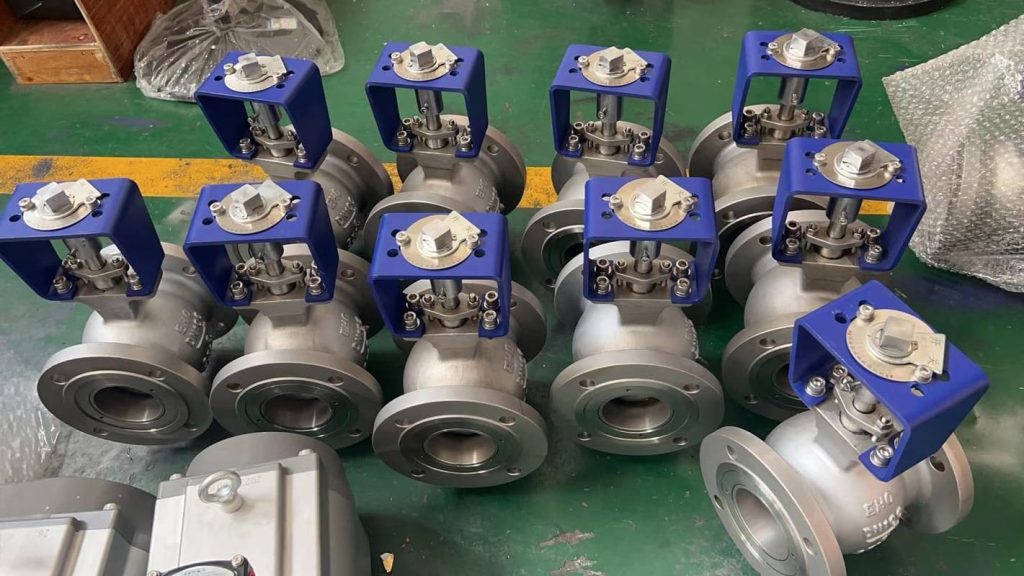
Quick Summary Ball valves are essential components in the oil and gas industry, providing efficient flow control, leak prevention, and pressure regulation. From upstream exploration to downstream refining, these valves are widely used in diverse applications, ensuring safety, reliability, and performance under demanding conditions. Imagine you’re in the heart of an oil refinery, where temperatures […]
Knife Gate Valve vs. Slide Gate Valve: Which is Best for Your Application?
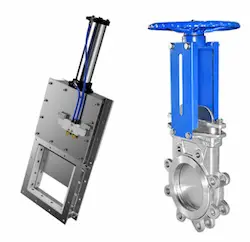
Quick Summary Knife Gate Valve vs. Slide Gate Valve is a popular topic that is an acclaimed choice for controlling flow in various industrial applications. This article breaks down the key differences between these two valve types, highlighting their unique features, advantages, and the best use cases for each. Introduction Imagine you’re designing a flow […]
How to Decide Between Manual and Automatic Valves for Your System
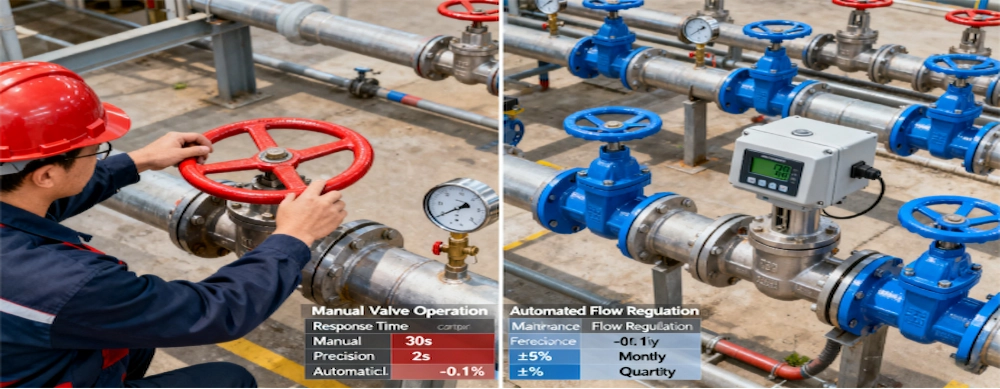
Quick Summary Choosing between manual and automatic valves is crucial for ensuring system efficiency and performance. This article explains the key differences, advantages, and considerations of both types, helping you make an informed decision based on your system’s needs. Imagine you’re tasked with selecting valves for a complex industrial system. You face a choice between […]