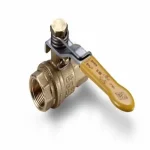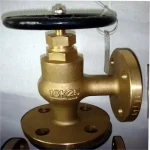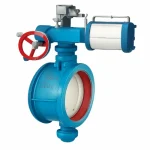
Knife gate valve vs slide gate valve selection should start with the material in the line, not with the name of the valve. A knife gate valve is normally used in slurry, wastewater, pulp, mining tailings and abrasive media where the gate must cut through solids and seal a pipeline. A slide gate valve is normally used for dry bulk solids, powders, granules and gravity discharge systems where the gate meters or shuts off material flow, often without pipeline pressure.
If your service is wet, pressurized or abrasive, start with a rubber lined knife gate valve, pneumatic knife gate valve or slurry gate valve. If the equipment is a silo, hopper, bin outlet or dry material chute, compare the requirements with our parallel slide gate valve guide before choosing.
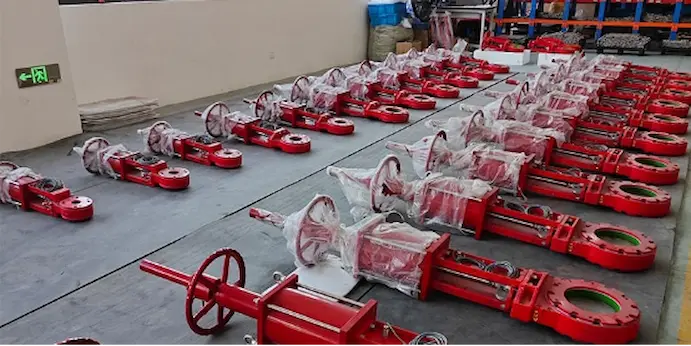
Where the Two Valve Types Actually Differ
The most important difference is the service condition. A knife gate valve is a pipeline isolation valve. It has a thin gate, often with a bevelled edge, that moves through soft solids and seats against elastomer, metal or rubber-lined sealing surfaces. It is built to close through media that would make many standard gate valves stick, leak or wear quickly.
A slide gate valve, especially in bulk handling, is closer to a material discharge gate. It opens and closes a flat plate across an outlet. It is useful for powders, pellets, grain, cement, ash and other dry materials, but it is usually not the first choice for pressurized slurry pipelines or dirty liquid isolation.
Selection Matrix: Fluid Line or Bulk Solids Line?
| Selection point | Knife gate valve | Slide gate valve |
|---|---|---|
| Typical media | Slurry, sludge, wastewater, pulp, tailings, abrasive liquid-solid mixture | Powder, granules, pellets, dry bulk solids, gravity discharge material |
| System condition | Pipeline isolation with pressure or differential pressure | Hopper, silo, chute or equipment outlet control |
| Closing action | Cuts through soft solids and wipes the seat area | Slides across an opening to start or stop material flow |
| Sealing concern | Seat type, liner, packing, leakage class and abrasion resistance | Plate clearance, dust leakage, material bridging and actuator force |
| Common actuator | Manual handwheel, pneumatic cylinder, electric actuator or hydraulic actuator | Manual lever, pneumatic cylinder, electric actuator or rack drive |
| Best RFQ data | Pressure, temperature, solids content, particle size, fluid chemistry and pipe standard | Bulk density, particle size, moisture, outlet size, opening frequency and dust control need |
When a Knife Gate Valve Is the Better Fit
Choose a knife gate valve when the line carries slurry, sludge, fiber, pulp stock, mine tailings or dirty water with suspended solids. In these services, the valve must tolerate abrasion and close even when solids remain in the flow path. A standard wedge gate valve can trap solids in the body cavity; a knife gate design reduces that risk and is easier to specify for harsh shutoff.
For abrasive or corrosive slurry, the body material and seat design matter as much as the valve type. Rubber lining, stainless steel wetted parts, replaceable seats and suitable packing can extend service life. If your process includes scaling, chemical attack or high solids content, compare the duty with our slurry valve selection guide before finalizing the design.
When a Slide Gate Valve Is the Better Fit
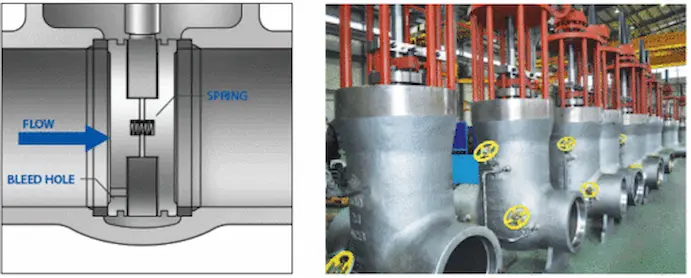
Choose a slide gate valve when the valve is installed below a hopper, silo, bin, feeder or process vessel handling dry solids. The main questions are whether the material will bridge, compact, leak dust, wear the plate, or require a full-bore opening. For these applications, opening size, slide plate material, guide design and actuator thrust are often more important than liquid pressure rating.
Slide gate valves can also refer to parallel slide gate valves in pipeline service. In that case, the selection logic is different from a dry bulk slide gate. For steam, high-temperature or clean pipeline isolation, check pressure class, seat design and thermal movement rather than assuming it can replace a slurry knife gate valve.
Materials, Seats and Actuation Decisions
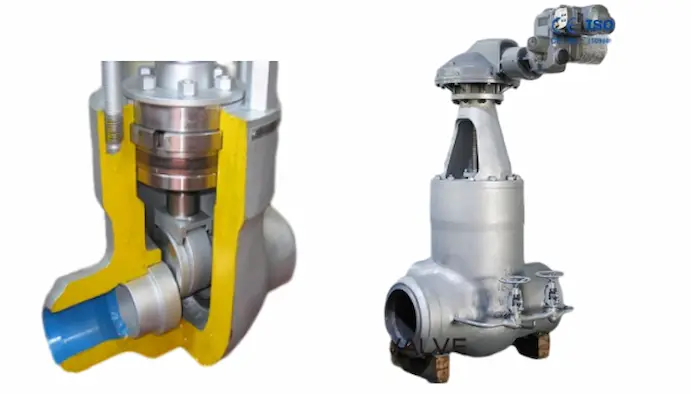
For knife gate valves, confirm body material, gate material, liner or seat material, packing, pressure rating, flange standard and corrosion allowance. For slide gate valves, confirm frame material, plate material, guide rail wear resistance, dust sealing, opening area and actuator force. If the valve will operate frequently, pneumatic actuation is often preferred for repeatability; if the valve is large or remote, electric actuation may be more practical.
Do not select only by DN/NPS size. The same nominal size can behave very differently in slurry, dry powder, high-temperature gas or water service. For pressure and temperature limits, use the project standard and refer to our valve pressure-temperature rating guide. For documentation and inspection requirements, review valve certificates and quality documents before issuing the purchase order.
RFQ Details That Help Us Quote Correctly
To quote the right valve quickly, send the medium name, solids content, particle size, temperature, pressure, pipe or outlet size, flange or connection standard, installation orientation, operating frequency, actuator preference and required material standard. For dry bulk applications, also include bulk density, moisture level, dust control requirement and whether the valve is installed under a silo, hopper, screw conveyor or feeder.
If you are not sure whether the duty belongs to knife gate or slide gate territory, send photos or a simple process sketch. Vcore Valve can review the working condition and recommend a practical valve type, material and actuator combination instead of forcing every inquiry into one template.
Practical Recommendation
For slurry, wastewater, pulp, mining and abrasive liquid-solid mixtures, a knife gate valve is usually the safer starting point. For powders, pellets, granules and gravity discharge, a slide gate valve is usually more appropriate. For clean high-pressure or high-temperature pipeline isolation, a parallel slide gate or conventional gate valve may be better than either bulk-handling slide gates or slurry knife gates.
The best selection is the one that matches the process problem: cutting through solids, sealing a pressure line, discharging dry material, resisting abrasion, or operating reliably over many cycles. Share the service data with our engineering team, and we can help narrow the choice before you request final drawings and pricing.
FAQ
Is a knife gate valve the same as a slide gate valve?
No. A knife gate valve is normally used for slurry, sludge, wastewater and abrasive pipeline isolation. A slide gate valve is usually used for dry bulk solids or, in some designs, clean pipeline isolation with a parallel-slide gate arrangement.
Can a slide gate valve handle slurry?
Most dry bulk slide gate valves are not designed for slurry pressure, liquid sealing or abrasive liquid-solid flow. For slurry service, a knife gate valve, rubber lined valve or other slurry valve design is usually more suitable.
Which valve should I choose for a hopper outlet?
For dry powder, pellets, granules or bulk solids at a hopper outlet, start with a slide gate valve. Confirm bulk density, moisture, particle size, outlet size and actuator force before ordering.
What information should I send for a knife gate valve RFQ?
Send medium, pressure, temperature, solids percentage, particle size, pipe size, flange standard, body and seat material preference, actuator type and required certificates. Photos or a process sketch help us recommend the correct valve faster.