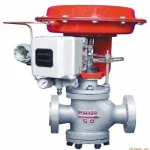
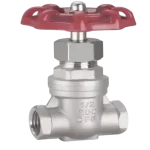
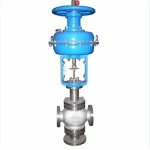
Corrosion-resistant valves are selected when ordinary carbon steel or basic stainless steel cannot provide dependable service life. In chemical plants, fertilizer units, water treatment, coastal installations and process skids, corrosion can attack the valve body, trim, stem, seat and bolting. The result is leakage, sticking, contamination risk and unplanned shutdown.
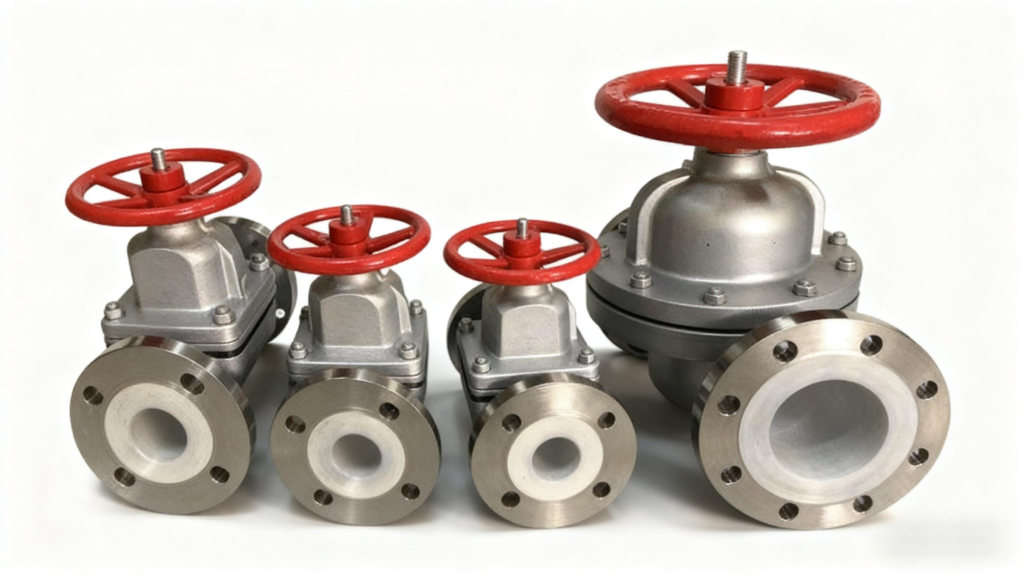
Start With the Actual Chemical, Not Only the Valve Type
The first question is not whether the valve should be a ball valve, butterfly valve or check valve. The first question is what the valve will contact. Acid concentration, chloride level, solvent content, pH, solids, oxygen, temperature and cleaning chemicals can change the correct material choice. If the chemical data is incomplete, the quotation should stay conditional until the media is confirmed.
Match Body Material to Corrosion Risk
Common options include 316 stainless steel, duplex stainless steel, super duplex, alloy steel, lined valves and special alloys. 316 is often suitable for moderate chemical or chloride service, but duplex may be required when strength and chloride resistance are both important. For comparison, review stainless steel 316 vs 304 valve and F51 vs F53 valve material.
Do Not Forget Seats, Seals and Packing
A corrosion-resistant body does not guarantee a reliable valve. PTFE, RPTFE, PEEK, EPDM, FKM, graphite and metal seats all behave differently in chemical service. Stem packing and gaskets also need media compatibility. A common purchasing mistake is to upgrade the body material but leave the seat or packing unsuitable for the real chemical.
Selection Matrix for Chemical Buyers
| Service condition | Common valve direction | RFQ detail to confirm |
|---|---|---|
| On-off chemical isolation | corrosion-resistant ball valves | Seat material, cavity design, pressure class and operation frequency. |
| Large low-pressure corrosive lines | lined or stainless butterfly valves | Liner material, disc material, flange standard and media temperature. |
| Backflow protection in chemical dosing | chemical check valves | Flow direction, cracking pressure, solids and installation orientation. |
| Throttling or process adjustment | control valves | Cv, pressure drop, trim material and cavitation risk. |
Confirm Pressure and Temperature Together
Chemical compatibility tables are usually based on specific temperatures and concentrations. Higher temperature can increase corrosion rate and reduce pressure capability. Before final selection, compare the valve rating with real operating temperature. Our valve pressure-temperature rating guide explains how rating changes with temperature.
Consider Solids, Crystallization and Cleaning
Some chemical lines contain solids or may crystallize during shutdown. These services can scratch seats, block cavities or make a valve hard to operate. Full-port ball valves, lined butterfly valves or special trim may be better depending on the media. Cleaning-in-place chemicals should also be included in the material review.
Ask for the Right Quality Documents
Chemical projects often require EN 10204 3.1 material certificates, pressure test reports, PMI reports and inspection records. If the valve is for corrosive or safety-related service, the document package should be agreed before production. Our valve certificates and quality documents guide lists the usual buyer documents.
RFQ Checklist for Corrosion-Resistant Valves
- Chemical name, concentration, temperature and pressure
- Chloride level, solids, pH and cleaning chemicals
- Valve type, size, pressure class and end connection
- Preferred body material, trim, seat, seal and packing
- Manual or actuated operation and cycle frequency
- Certificate package: MTC, PMI, pressure test and inspection report
Practical Recommendation
For chemical service, send us the media data sheet, operating temperature, pressure, valve size and required documents. We can compare stainless, duplex, lined and special-material options so the quotation is based on real corrosion risk, not only the lowest first price.
Corrosion-Resistant Valves Buyer Note
Corrosion-Resistant Valves should be reviewed as a complete package: body, trim, seat, stem packing, gasket and bolting. For severe chemical projects, corrosion guidance from organizations such as AMPP can help buyers understand why media chemistry and temperature must be confirmed before final valve selection.
FAQ
Are 316 stainless steel valves always corrosion-resistant enough?
No. 316 stainless steel is useful in many services, but high chlorides, acids, temperature or special chemicals may require duplex, lined valves or special alloys.
What information is most important for a chemical valve inquiry?
Media name, concentration, temperature, pressure, solids content, valve size, pressure class, connection standard and required certificates are the most important details.
Should seats and seals be reviewed separately?
Yes. The body material may resist corrosion, but seats, seals, packing and gaskets can fail if they are not compatible with the chemical and temperature.