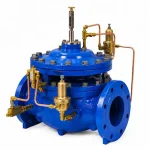
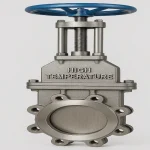
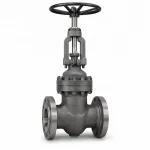
Automatic electric valves are used when a valve must open, close or modulate without direct manual operation. They are especially useful where valves are remote, difficult to access, operated frequently or connected to a control system. The value is not only convenience. A correctly selected electric valve package can reduce operating errors, improve response time and make the system easier to monitor.
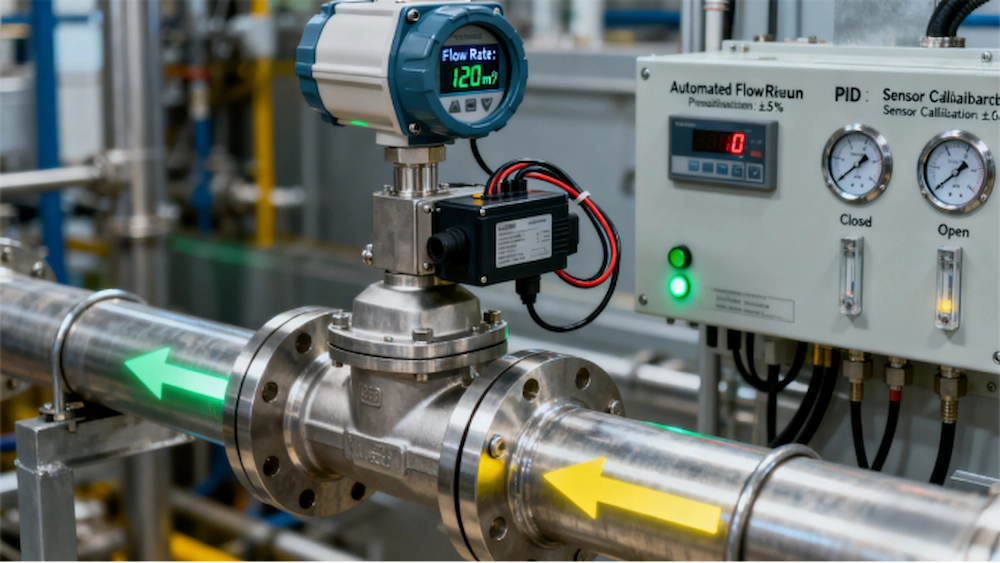
Choose Electric Operation When Manual Access Is Inefficient
Manual valves are simple, but they require an operator at the valve location. Electric operation becomes valuable when the valve is installed on a high platform, in a hazardous area, in a remote pipeline, inside a packaged skid or in a process that needs repeatable timing. For a wider comparison, see manual and automatic valves selection.
Best Applications for Automatic Electric Valves
| Application | Common valve path | What to confirm |
|---|---|---|
| Fast open-close shutoff | electric ball valves | Torque, seat material, voltage and duty cycle. |
| Large water or utility line | electric butterfly valves | Disc material, gearbox, actuator torque and flange standard. |
| Process flow adjustment | control valves | Signal, Cv, pressure drop and modulating accuracy. |
| Remote isolation in a pipeline | actuated ball valve package | Fail position, enclosure rating and feedback switches. |
Electric Actuators Are Useful When Air Is Not Available
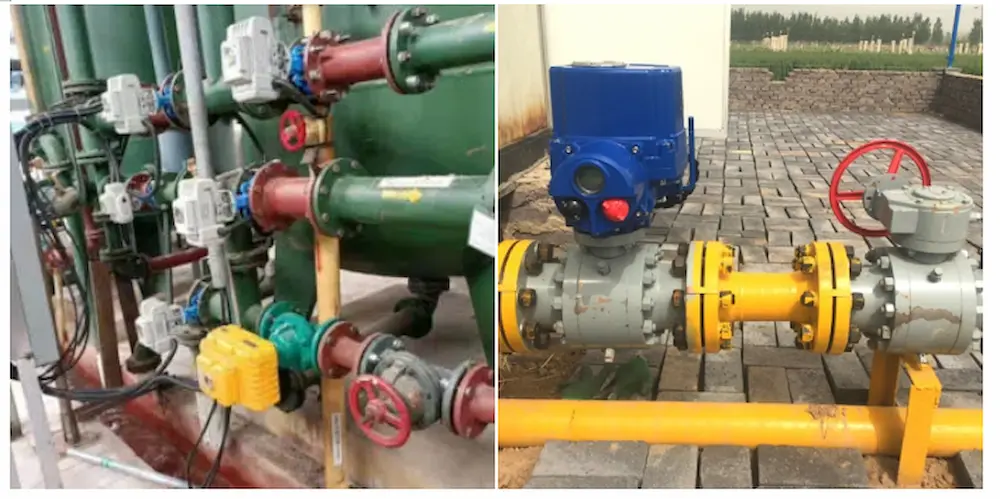
Pneumatic actuators are common in process plants, but they need instrument air. Electric actuators are practical where air supply is not available, where wiring is easier than air tubing, or where slower controlled movement is acceptable. They are common in water treatment, HVAC, utility systems, tank farms and remote installations.
Torque Sizing Is the Core Technical Check
An electric actuator must be sized for valve torque under real process conditions. Differential pressure, seat type, media viscosity, solids, temperature and operating frequency all matter. Undersizing causes failure to open or close. Oversizing can increase cost and may stress the valve stem or gearbox.
Decide On-Off or Modulating Control
On-off electric valves only need open and close commands. Modulating electric valves require a control signal such as 4-20 mA or 0-10 V, position feedback and suitable actuator duty. If the valve is used for flow control, Cv and pressure drop should be reviewed. Our valve flow coefficient Cv charts guide helps buyers understand this part.
Confirm Voltage, Enclosure and Site Conditions
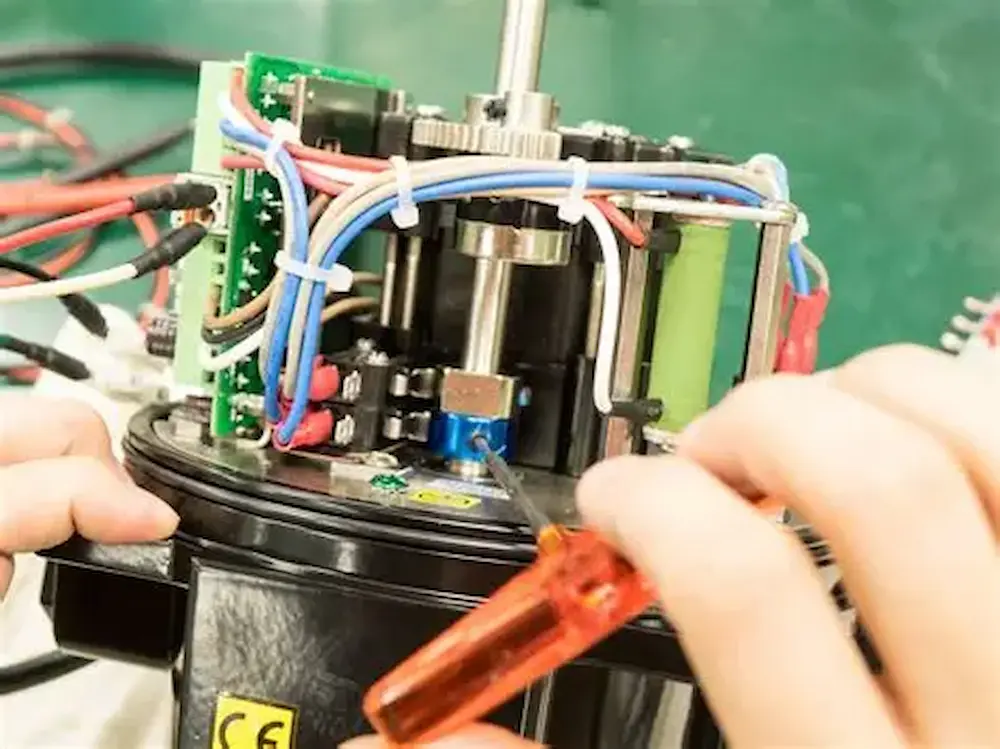
Before ordering, confirm voltage, phase, signal type, enclosure rating, cable entry, ambient temperature and whether the area is corrosive or hazardous. Outdoor electric actuators may need weatherproof protection. Chemical or coastal environments may require extra corrosion protection.
Keep Manual Override and Position Feedback in Mind
Most industrial electric actuators include a manual override for commissioning or emergency operation. Position feedback helps the control room confirm whether the valve is open, closed or in transit. These accessories should be included in the RFQ if the valve is connected to a PLC or DCS.
RFQ Checklist for Automatic Electric Valves
- Valve type, size, pressure class and end connection
- Media, pressure, temperature and differential pressure
- On-off or modulating service
- Voltage, control signal and feedback requirement
- Open/close time, duty cycle and fail position requirement
- Enclosure rating, ambient condition and hazardous-area requirement
- Certificate and inspection document requirements
Practical Recommendation
Choose automatic electric valves when remote control, repeatability or monitoring is more important than the lowest first cost. Send us the valve type, size, pressure, media, available power and control signal. We can recommend a valve and electric actuator package that fits the real operating duty.
Automatic Electric Valves Buyer Note
Automatic Electric Valves should be specified with both valve data and control data. For automation terminology and control-system context, the International Society of Automation is a useful reference. In a quotation request, include whether the valve is used for simple open-close service or for modulating control, because the actuator and feedback package will be different.
FAQ
Are automatic electric valves better than pneumatic valves?
Not always. Electric valves are useful where air is unavailable or control wiring is preferred, while pneumatic actuators are often faster and common in process plants with instrument air.
What is the most important actuator selection factor?
Torque is the most important factor. It must be checked against valve type, differential pressure, media, seat material and operating conditions.
What should I send for an electric valve quotation?
Send valve size, pressure class, media, temperature, voltage, signal type, on-off or modulating duty, feedback needs and required certificates.