
Electric Ball Valves in Chemical Plants: Automation, Safety and Flow Control
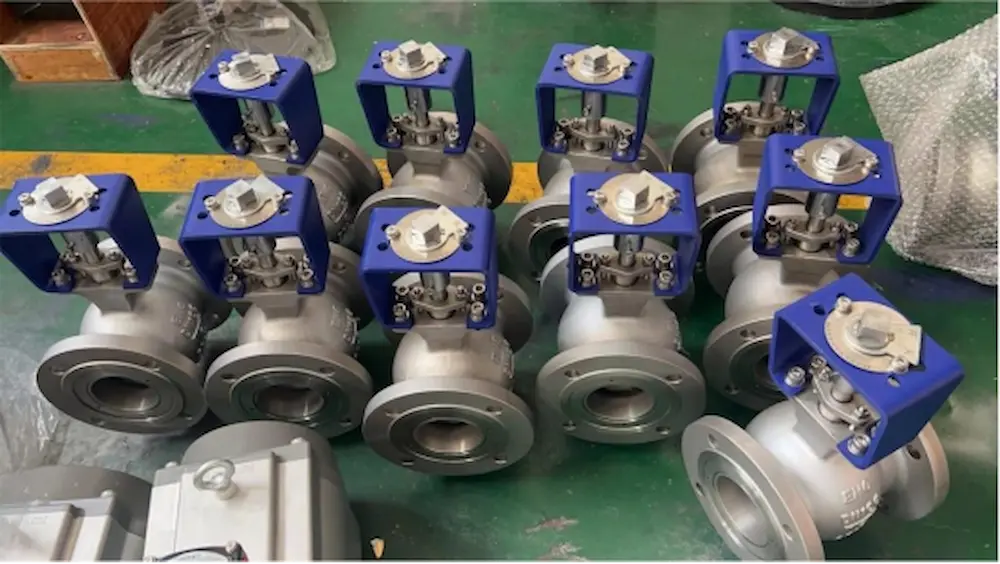
Learn how to choose electric ball valves for chemical plants by valve material, actuator torque, control signal, safety, corrosion resistance, and flow control needs.
Top 10 Valve Manufacturers in the World (2026 Guide)
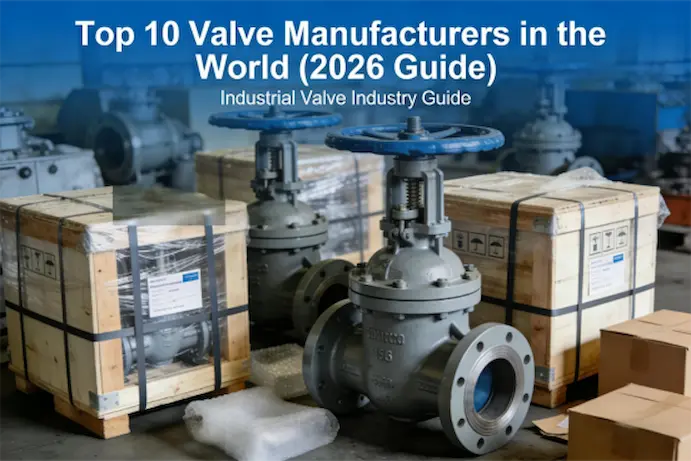
Explore ten leading valve manufacturers worldwide in 2026, comparing their countries, core products, engineering strengths, and industry applications. The guide covers manufacturers specializing in industrial pipeline valves, control and automation systems, severe-service equipment, high-pressure forged valves, and water infrastructure, while outlining key factors for supplier selection, including standards compliance, testing documentation, project experience, and export capability.
What is a Piggable Valve? Understanding Its Role in Pipeline Maintenance
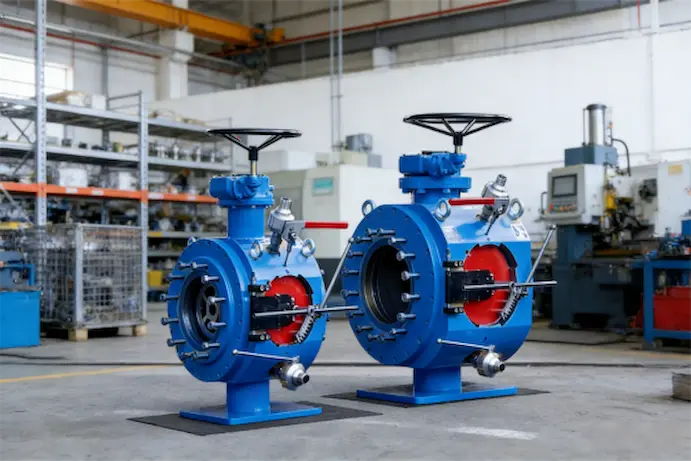
Learn what a piggable valve is and how its full-bore, unobstructed flow path allows cleaning, inspection, and batching pigs to pass safely through a pipeline. The guide explains how piggable valves support pipeline cleaning, corrosion inspection, blockage prevention, reduced downtime, and more efficient maintenance in oil, gas, chemical, and water systems.
Valves for Sugar Industry
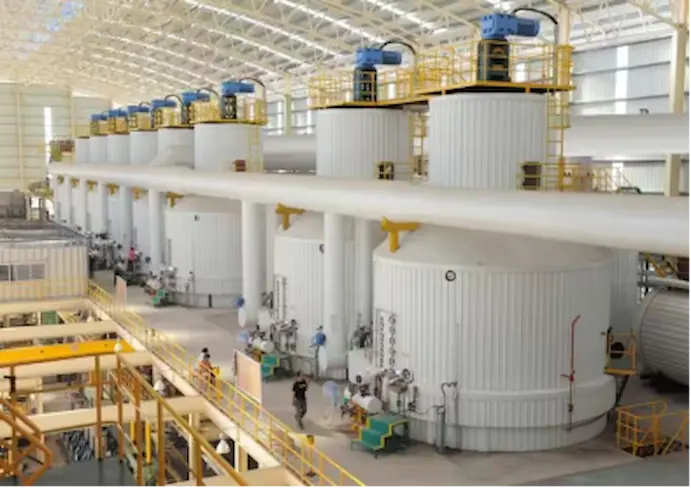
Explore the main valve types used in sugar mills and sugar-processing plants for syrup handling, steam service, cooling water, isolation, and flow control. The guide explains how viscosity, sugar deposits, corrosion, abrasion, temperature, hygiene requirements, and control accuracy affect valve material, design, and application selection.
Long Pattern vs Short Pattern Ball Valve: Key Differences and Applications
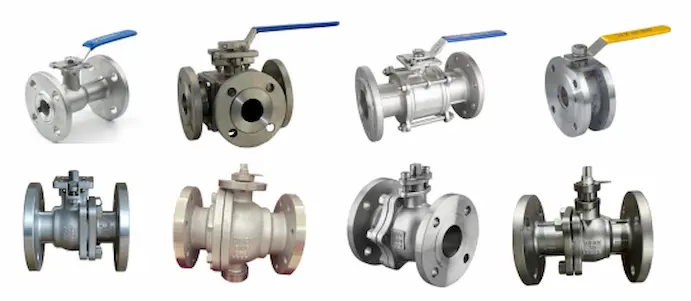
Compare long-pattern and short-pattern ball valves by face-to-face length, installation space, flow capacity, pressure suitability, cost, and application. Long-pattern valves offer a more robust body for demanding pipeline service, while short-pattern valves provide a compact, economical solution for space-limited water, HVAC, and general industrial systems.
How Plug Valves Differ from Gate Valves
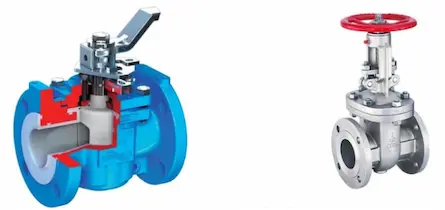
Compare plug valves and gate valves by operating motion, sealing structure, flow resistance, maintenance, and media compatibility. Plug valves provide fast quarter-turn shutoff and are well suited to viscous, dirty, or slightly abrasive fluids, while gate valves provide unobstructed full-bore flow with very low pressure loss for clean water, gas, steam, and general pipeline isolation.
Ball Valves vs Gate Valves: Key Differences, Uses & Which to Choose
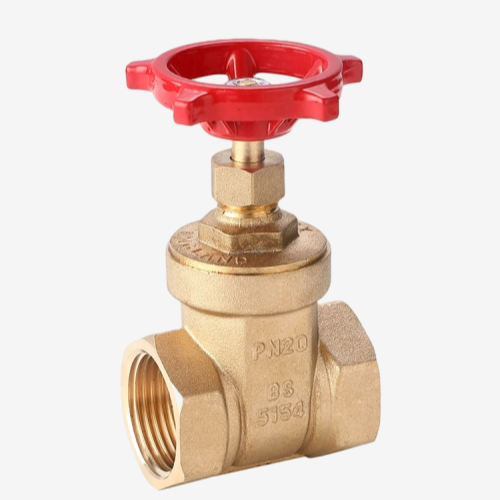
Quick Overview Ball valves and gate valves are two of the most widely used flow control valves in industrial, commercial, and residential settings. While both regulate fluid or gas flow, their designs, working mechanisms, and ideal applications differ drastically. A ball valve uses a rotating ball for quarter-turn operation, offering quick shut-offs and tight sealing, whereas a […]
Which Valve Should Never Be Used for Flow Control?
Quick Summary flow control. Many valves excel at shut-off or isolation but falter when precise fluid regulation is needed. This guide breaks down which valves to steer clear of for flow management, explains the risks of poor selection, and highlights the top performers to keep your process system running smoothly. Imagine you are tasked with […]
Top 6 Applications of Ball Valves in the Oil and Gas Industry
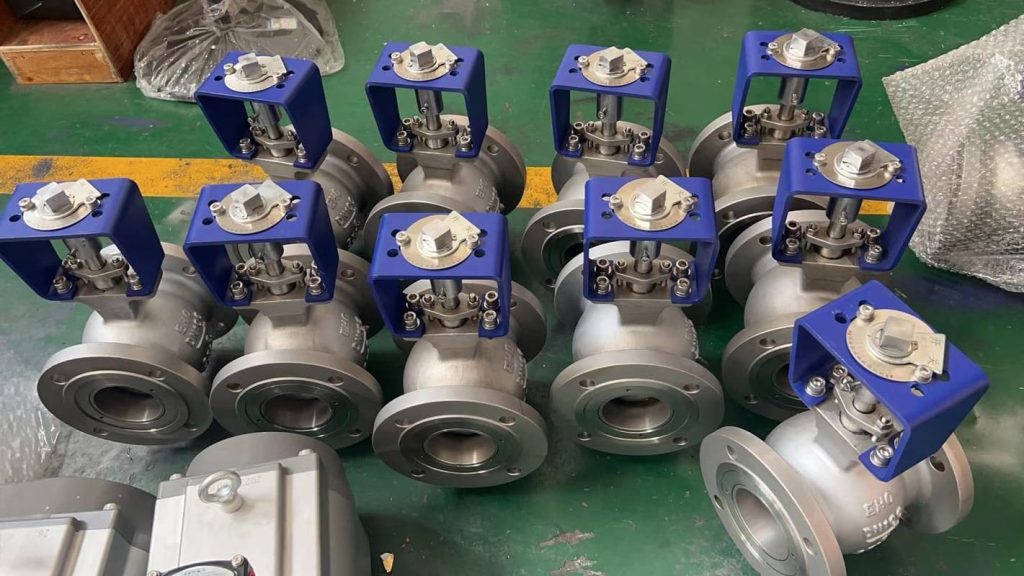
Quick Summary Ball valves are essential components in the oil and gas industry, providing efficient flow control, leak prevention, and pressure regulation. From upstream exploration to downstream refining, these valves are widely used in diverse applications, ensuring safety, reliability, and performance under demanding conditions. Imagine you’re in the heart of an oil refinery, where temperatures […]
Knife Gate Valve vs Slide Gate Valve: Selection Guide
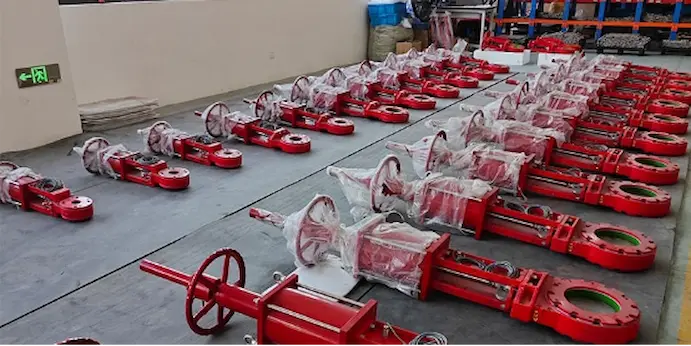
Compare knife gate valves and slide gate valves for slurry, wastewater, powders and bulk solids. Learn which design fits your line and what RFQ data to send.
Manual vs Automatic Valves: 9 Best Selection Checks
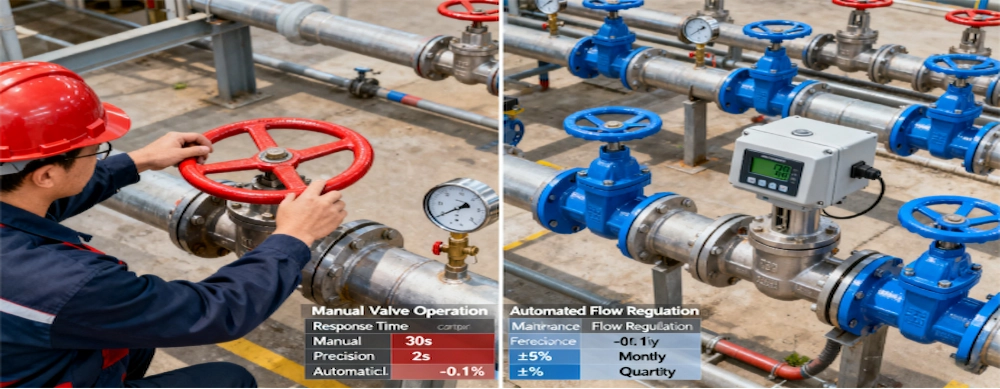
Learn how to choose between manual and automatic valves by checking operation frequency, safety risk, actuator type, control needs, cost and RFQ parameters.