
Slip Ball Valve vs Ball Valve: Key Differences
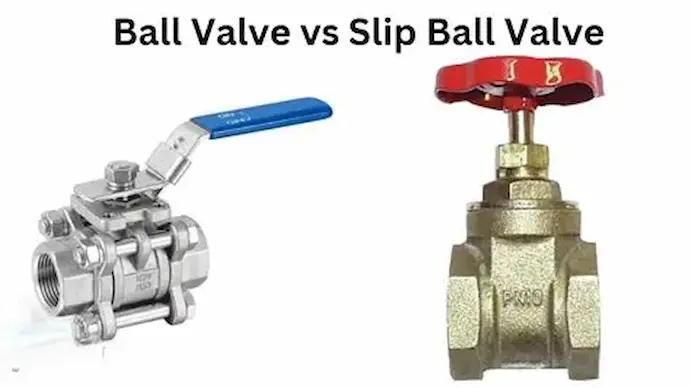
Compare slip ball valves and conventional ball valves by flow-control method, sealing performance, pressure capability, maintenance, and application. Slip ball valves are designed for adjustable flow regulation, while standard ball valves provide reliable full-open or full-closed isolation for water, gas, oil, and industrial pipelines.
On/Off Valve vs Modulating Valve: Key Differences
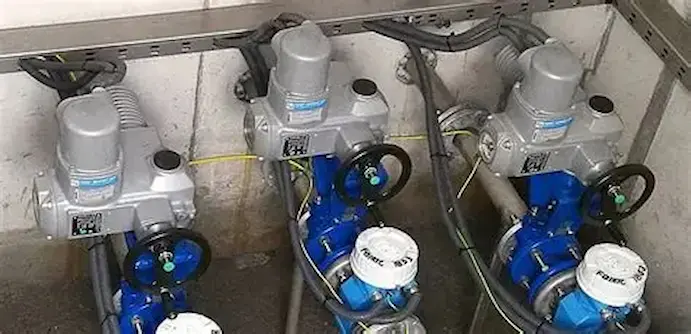
Compare on/off valves and modulating valves by control method, precision, actuator requirements, energy efficiency, cost, and application. On/off valves are suitable for simple fully open or fully closed isolation, while modulating valves provide continuous and precise flow regulation for HVAC, steam, chemical processing, temperature control, and automated process systems.
Tapping Valve vs Gate Valve: Key Differences and Applications
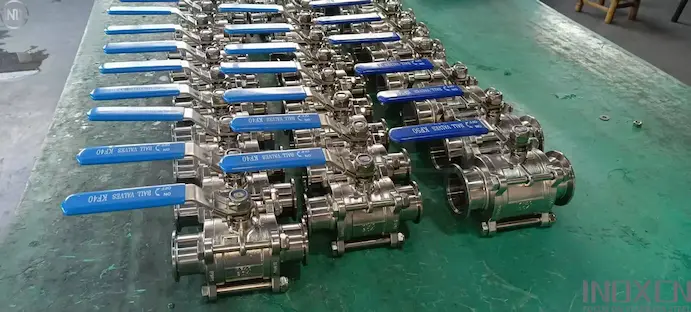
Compare tapping valves and gate valves by function, installation method, sealing requirements, maintenance, and application. Tapping valves are designed for adding branches or connection points to live pipelines without interrupting service, while gate valves are primarily used for full-flow isolation and shutoff in water, oil, gas, and industrial piping systems.
The Role of Air Release Valves in Piping Systems
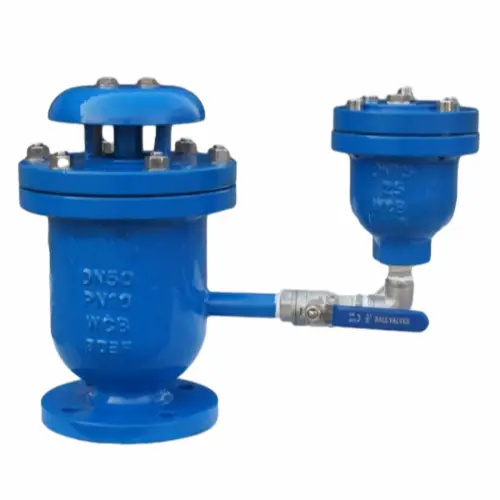
Learn how air release valves remove trapped air from pipelines to prevent air pockets, flow restriction, pressure fluctuations, water hammer, and reduced system efficiency. The guide explains their operating principle, typical installation at pipeline high points, common applications, and key considerations for sizing, inspection, and maintenance.
How Ball Valves Work in Hazardous Locations: Key Insights
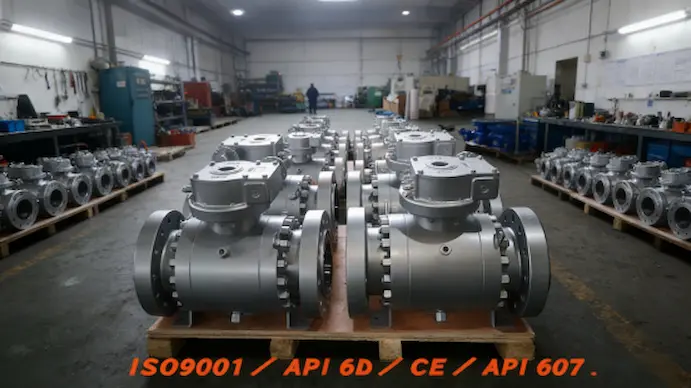
Learn how ball valves are selected for hazardous locations involving flammable gases, vapors, combustible dust, corrosive media, high pressure, or fire-risk service. This guide explains fire-safe ball valve design, anti-static structure, material selection, soft-seat and metal-seat limitations, explosion-proof electric actuators, pneumatic automation, ATEX, IECEx, API 607, leakage testing, emergency shutoff requirements, and key selection factors for oil and gas, chemical processing, refineries, offshore platforms, and hazardous industrial pipeline systems.
What Is the Difference Between a Fail-Close and Fail-Open Valve?
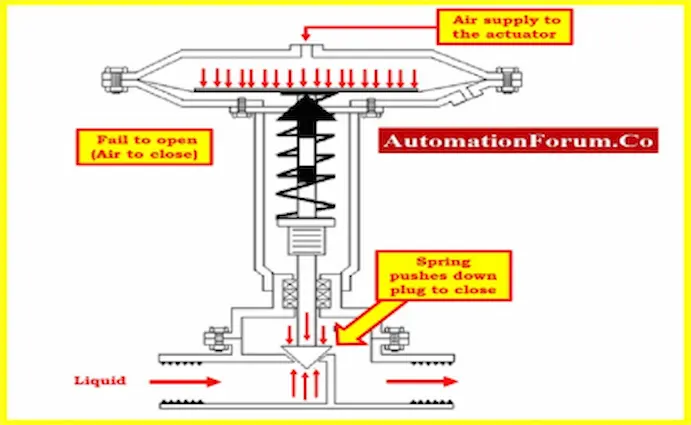
Compare fail-closed and fail-open valves by their response to loss of power, air supply, or control signal. The guide explains how fail-closed configurations stop potentially hazardous flow, while fail-open configurations maintain essential cooling, venting, or circulation, and outlines the safety, actuator, differential-pressure, and process requirements that determine the correct failure position.
Parallel Slide Gate Valves: A Complete Guide
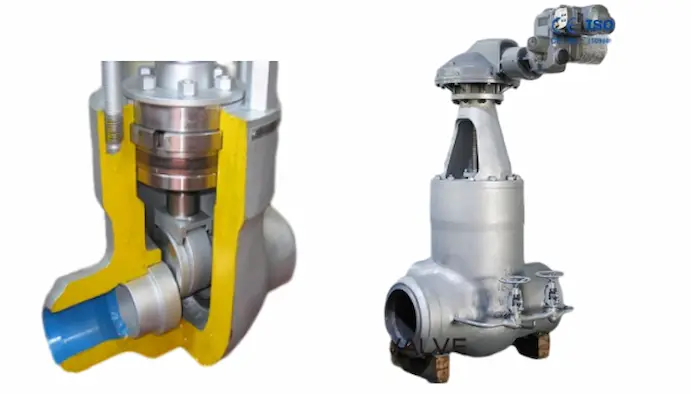
Learn how parallel slide gate valves use parallel discs, initial spring loading, and pipeline pressure to provide reliable isolation in high-pressure and high-temperature systems. The guide explains their working principle, low-flow-resistance design, resistance to thermal binding, key selection factors, and applications in steam, power generation, oil and gas, and industrial process pipelines.
Why Conventional Butterfly Valves May Be Unsuitable for Abrasive Dry Bulk Solids
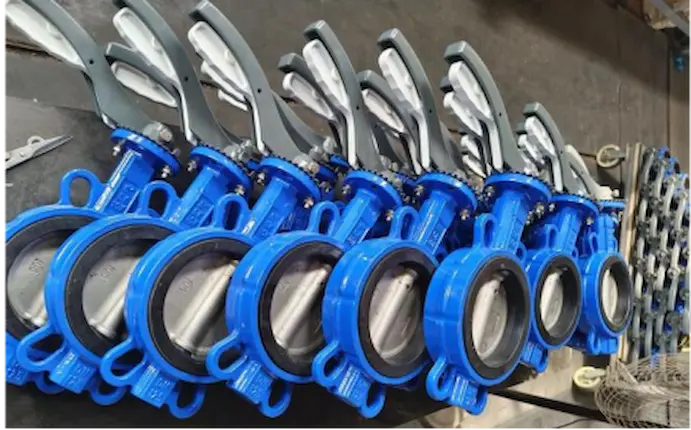
Learn why conventional butterfly valves may experience abrasion, particle packing, seat damage, flow restriction, and incomplete shutoff when handling dry powders and granular materials. The guide explains the limitations of standard butterfly valve designs and outlines key factors for selecting purpose-built bulk-solids valves, slide gates, rotary airlocks, or feeding equipment for cement, mining, food, and powder-processing systems.
Isolation Valves vs. Gate Valves: What Is the Difference?
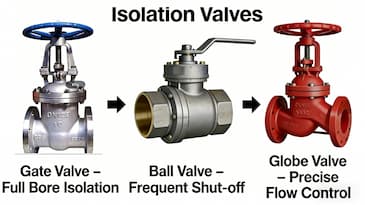
Compare isolation valves and gate valves by function, shut-off performance, flow resistance, operating frequency, maintenance, and application. Isolation valve is a broad category that includes gate, ball, butterfly, and globe valves, while gate valves are specifically designed for full-open or full-closed service with minimal pressure drop in large pipelines.
What is swing check valve
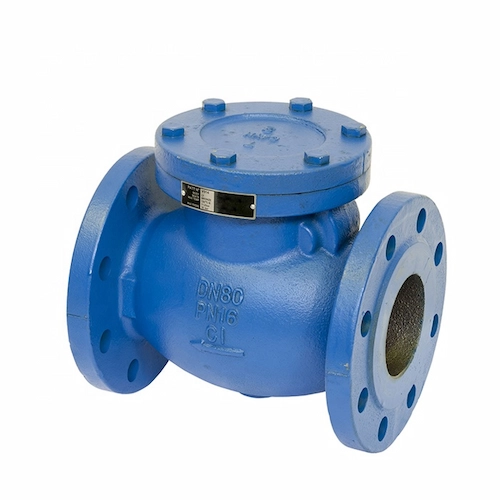
Quick Summary A swing check valve is a type of backflow prevention device used in pipelines to ensure unidirectional flow. The valve has a hinged disc that swings to allow flow in one direction, and swings back to close when flow reverses. This simple yet effective mechanism prevents backflow and protects systems from potential damage […]
Should Butterfly Valves Be the Control Valves in Your Process? | Benefits & Considerations
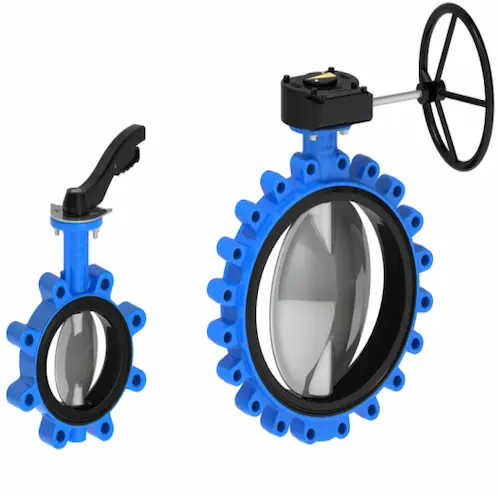
Quick Summary Butterfly valves are versatile flow control devices widely used in industries such as water treatment, HVAC, and chemical processing. But can they serve as the control valves in your process? In this article, we explore their performance, advantages, and limitations in control applications. Imagine a large manufacturing facility where precise flow control is […]