
Brass vs Stainless Steel valves: What’s the Difference in Valves
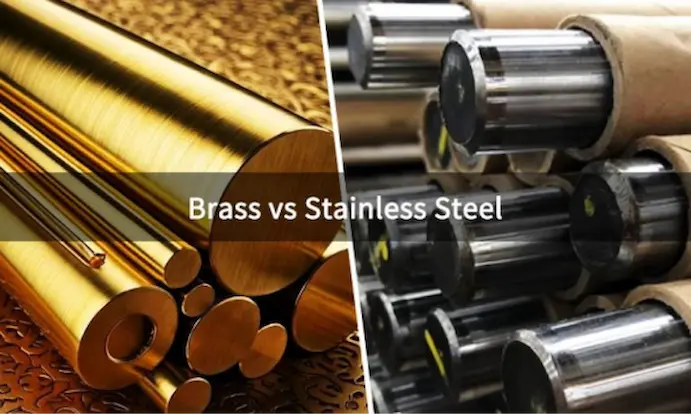
Quick Overview When selecting materials for valves, brass vs stainless steel valves are two of the most popular choices—but they serve different purposes. Understanding the material differences helps engineers and buyers make smarter decisions about performance, durability, and cost. Opening Scenario Picture this: you’re specifying valves for a large industrial pumping system. The engineers argue […]
Brass Valves vs Bronze Valves: Key Differences
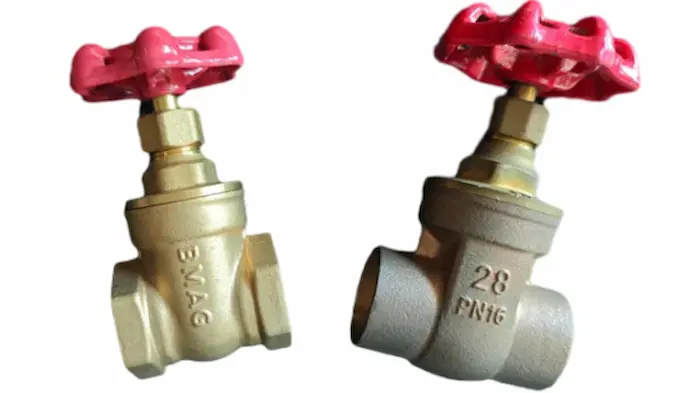
Compare brass and bronze valves by material composition, corrosion resistance, strength, cost, and typical applications. Brass valves are commonly selected for general water, air, and HVAC systems, while bronze valves offer better durability in seawater, marine, and more corrosive operating environments.
Understanding the Butterfly Valve Bolt Chart
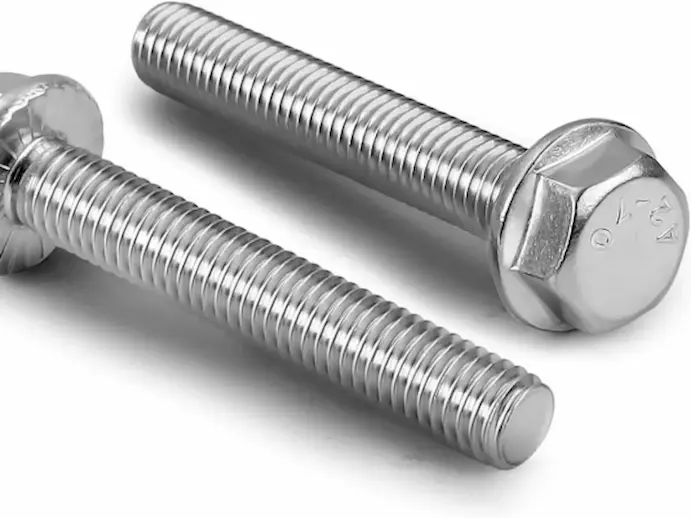
Learn how to read a butterfly valve bolt chart and select the correct bolt diameter, length, quantity, material, and tightening torque for different valve sizes and flange configurations. The guide explains how proper bolt selection, material compatibility, alignment, and controlled tightening help prevent flange leakage, gasket damage, valve-body distortion, and premature installation failure.
What are Hydraulic Check Valves and How Do They Work?
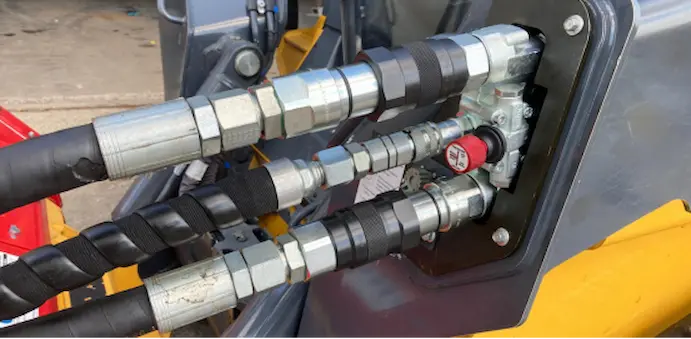
Learn how hydraulic check valves automatically allow fluid to flow in one direction while preventing reverse flow, pressure loss, and damage to pumps, seals, and other hydraulic components. The guide explains their working principle, common applications, material options, pressure and flow considerations, and the importance of correct sizing, sealing, and routine maintenance.
What Are Jacketed Valves? Applications and Benefits for Industrial Use
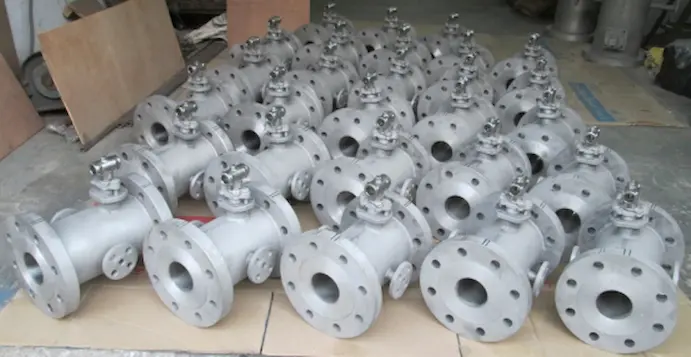
Learn how jacketed valves circulate steam, hot water, glycol, or another heat-transfer medium around the valve body to maintain process-fluid temperature and prevent solidification, crystallisation, and flow blockage. The guide explains their operating principle, key benefits, selection considerations, and applications in chemical processing, food production, pharmaceuticals, and other temperature-sensitive or high-viscosity services.
How to Tell If a Valve Is Open or Closed: Position Indicator Guide
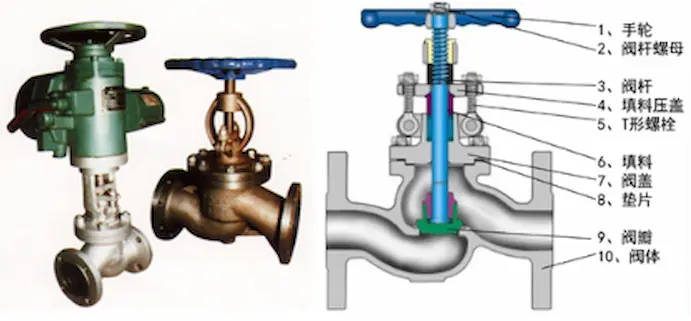
Learn how to determine whether a valve is open, closed, or partially open by checking handle direction, stem position, handwheel travel, actuator indicators, position feedback, flow response, and operating records. The guide explains common valve position indicators for ball valves, gate valves, globe valves, check valves, and automated valves, while highlighting inspection, maintenance, lockout/tagout, and safety practices that help prevent misoperation in industrial, HVAC, plumbing, and process systems.