
Single Disc vs Double Disc Gate Valves Explained
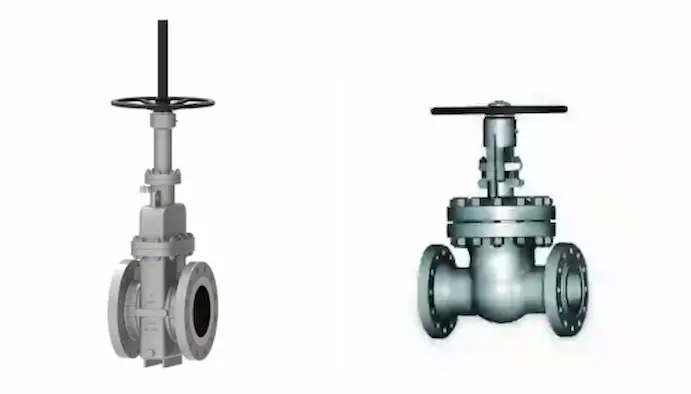
Compare single-disc and double-disc gate valves by disc structure, sealing mechanism, operating torque, pressure sensitivity, maintenance, and application. Single-disc gate valves offer a simpler, lower-cost design for stable high-pressure and high-temperature service, while double-disc designs provide better low-pressure and bidirectional sealing for water supply, wastewater, and other pipeline isolation systems.
Rising Stem vs Non-Rising Stem Gate Valves Explained
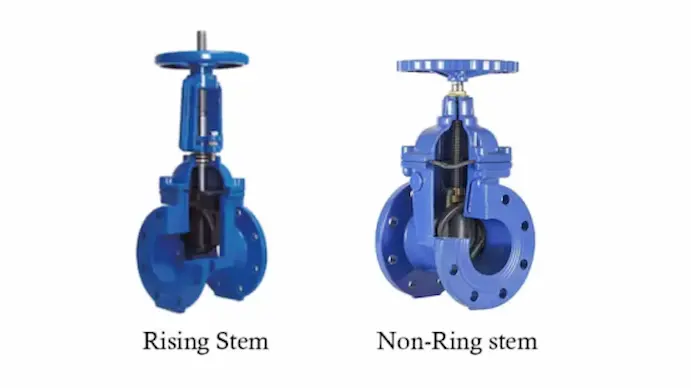
Compare rising-stem and non-rising-stem gate valves by stem movement, installation clearance, valve-position visibility, maintenance access, and application. Rising-stem gate valves provide clear open/closed indication and easier inspection for above-ground industrial systems, while non-rising-stem designs offer compact installation for underground pipelines, water networks, fire protection systems, and confined valve chambers.
Knife Gate Valve Guide: Working Principle, Applications and Selection
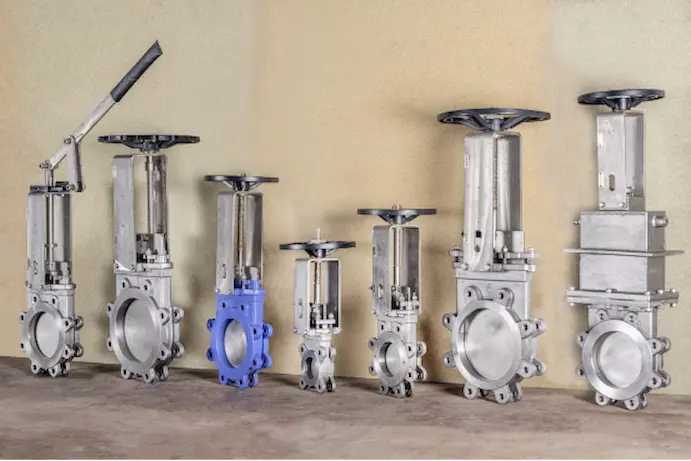
Learn how knife gate valves are selected for slurry, pulp, powder, wastewater, tailings, fibrous media, and other solids-containing services. The guide explains knife-edge gate design, wafer, lugged and flanged body options, soft-seat and metal-seat sealing, pressure and temperature limitations, installation orientation, clogging risks, maintenance considerations, and the key differences between knife gate valves and conventional gate valves.
Wedge Gate Valve vs Slab Gate Valve: A Practical Guide
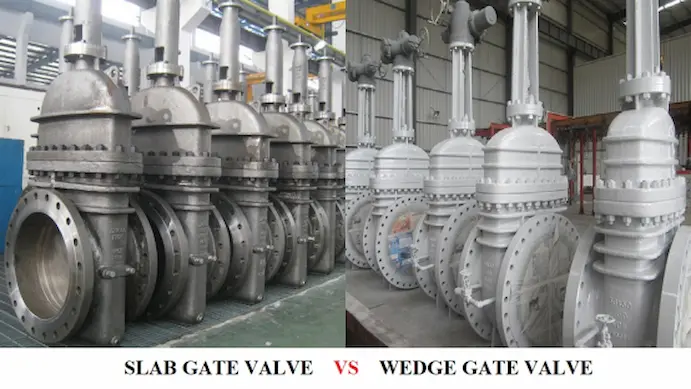
https://www.onoffvalve.com/knowledge-wedge-gate-valve-vs-slab-gate-valve/