
Stainless Steel Butterfly Valve: Materials, Applications and Selection Guide
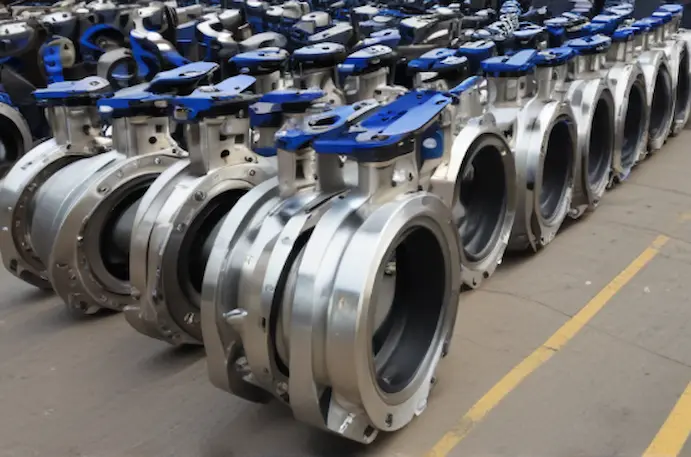
Learn how stainless steel butterfly valves are selected for corrosive, hygienic, automated, and general industrial piping systems. The guide explains key factors such as stainless steel body and disc materials, wafer and lug configurations, double-offset and triple-offset designs, resilient or metal seats, actuator compatibility, pressure-drop considerations, media compatibility, and application requirements in food, chemical, water treatment, energy, and process industries.
Understanding Butterfly Valve Seats: Hard vs Soft vs Rubber
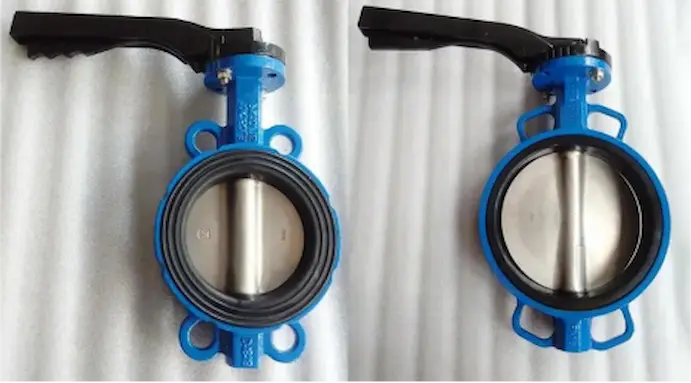
Compare soft, hard, and rubber-lined butterfly valve seats by sealing performance, operating torque, temperature capability, abrasion resistance, corrosion resistance, maintenance, and application. Soft seats provide tight shutoff and low torque for clean water, gas, and utility service; hard seats withstand high temperatures and abrasive or aggressive media; rubber-lined seats offer economical corrosion protection for water and wastewater systems.
Double Offset vs Triple Offset Butterfly Valve Explained
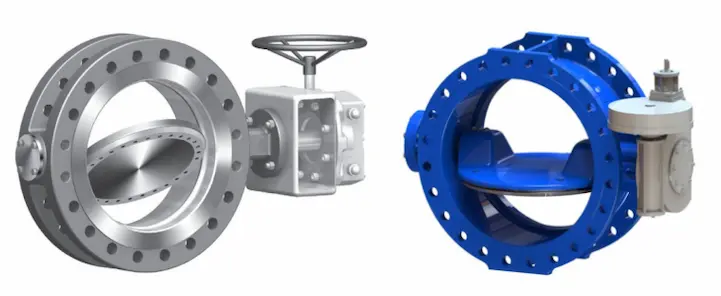
Compare double-offset and triple-offset butterfly valves by sealing geometry, seat material, operating friction, temperature capability, fire safety, service life, and cost. Double-offset valves provide economical tight shutoff for clean, moderate-pressure and moderate-temperature service, while triple-offset metal-seated valves deliver low-wear, fire-safe, and reliable isolation for high-temperature, high-pressure, and critical industrial applications.