
Brass vs Stainless Steel valves: What’s the Difference in Valves
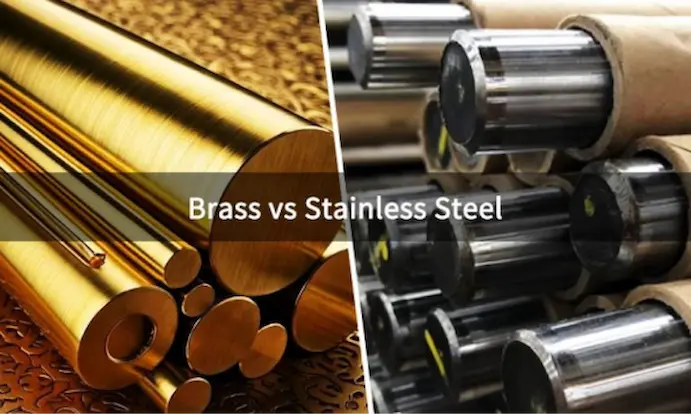
Quick Overview When selecting materials for valves, brass vs stainless steel valves are two of the most popular choices—but they serve different purposes. Understanding the material differences helps engineers and buyers make smarter decisions about performance, durability, and cost. Opening Scenario Picture this: you’re specifying valves for a large industrial pumping system. The engineers argue […]
Brass Valves vs Bronze Valves: Key Differences
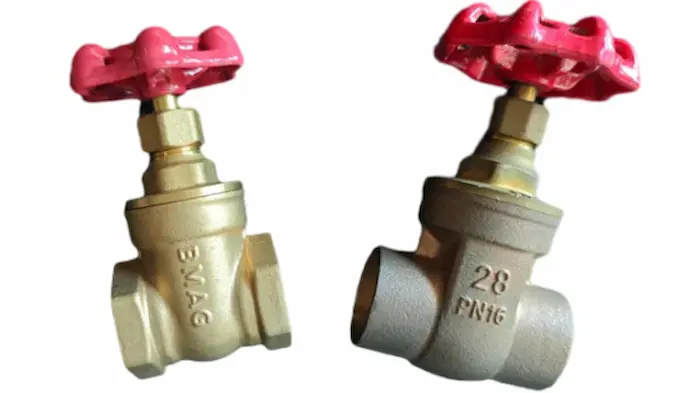
Compare brass and bronze valves by material composition, corrosion resistance, strength, cost, and typical applications. Brass valves are commonly selected for general water, air, and HVAC systems, while bronze valves offer better durability in seawater, marine, and more corrosive operating environments.
Slip Ball Valve vs Ball Valve: Key Differences
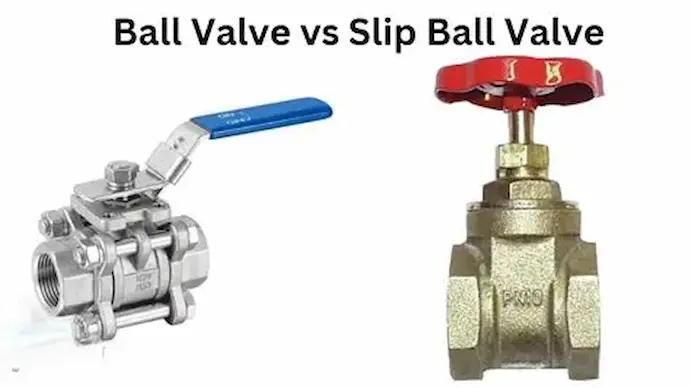
Compare slip ball valves and conventional ball valves by flow-control method, sealing performance, pressure capability, maintenance, and application. Slip ball valves are designed for adjustable flow regulation, while standard ball valves provide reliable full-open or full-closed isolation for water, gas, oil, and industrial pipelines.
Tapping Valve vs Gate Valve: Key Differences and Applications
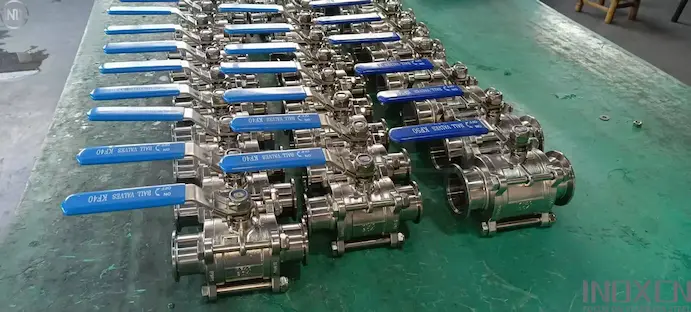
Compare tapping valves and gate valves by function, installation method, sealing requirements, maintenance, and application. Tapping valves are designed for adding branches or connection points to live pipelines without interrupting service, while gate valves are primarily used for full-flow isolation and shutoff in water, oil, gas, and industrial piping systems.
Vacuum Ball Valve vs Regular Ball Valve: Key Differences
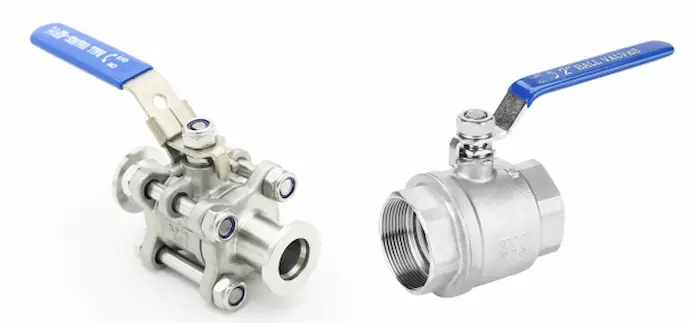
Compare vacuum ball valves and regular ball valves by sealing design, pressure conditions, leakage control, cost, and application. Vacuum ball valves provide tighter sealing for vacuum, laboratory, pharmaceutical, and packaging systems, while regular ball valves are generally more economical for pressurized water, oil, gas, and industrial pipelines.
The Role of Air Release Valves in Piping Systems
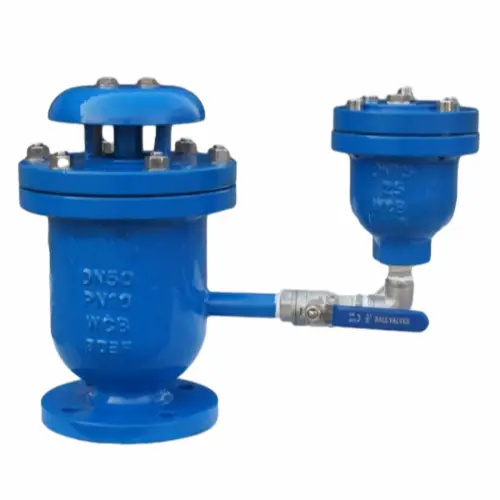
Learn how air release valves remove trapped air from pipelines to prevent air pockets, flow restriction, pressure fluctuations, water hammer, and reduced system efficiency. The guide explains their operating principle, typical installation at pipeline high points, common applications, and key considerations for sizing, inspection, and maintenance.
Sanitary vs Industrial Valves: Key Differences and Applications
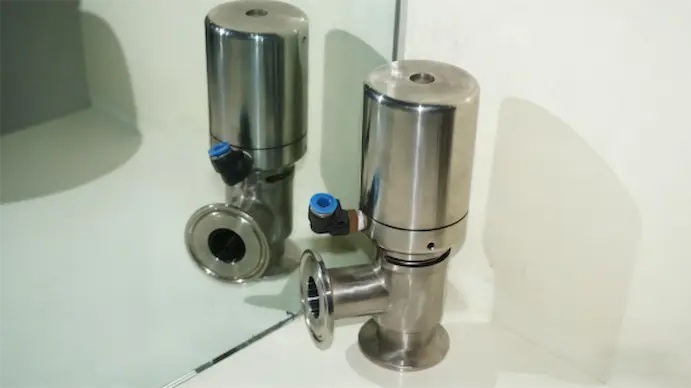
Compare sanitary and industrial valves by hygienic design, surface finish, materials, cleaning requirements, pressure capability, and application. Sanitary valves are designed for contamination-sensitive food, beverage, pharmaceutical, and biotechnology systems, while industrial valves prioritize durability, pressure resistance, and reliable operation in oil and gas, chemical processing, power generation, and water treatment.
How Ball Valves Work in Hazardous Locations: Key Insights
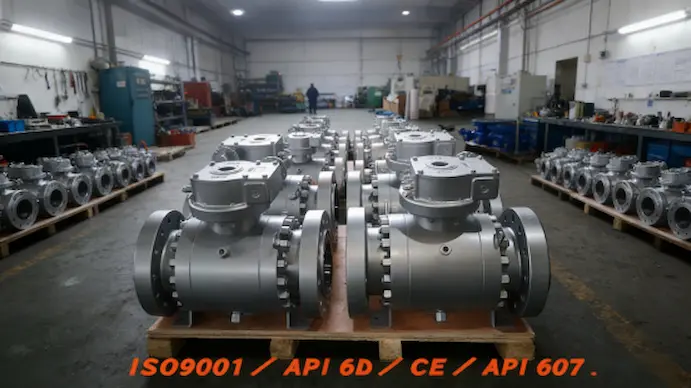
Learn how ball valves are selected for hazardous locations involving flammable gases, vapors, combustible dust, corrosive media, high pressure, or fire-risk service. This guide explains fire-safe ball valve design, anti-static structure, material selection, soft-seat and metal-seat limitations, explosion-proof electric actuators, pneumatic automation, ATEX, IECEx, API 607, leakage testing, emergency shutoff requirements, and key selection factors for oil and gas, chemical processing, refineries, offshore platforms, and hazardous industrial pipeline systems.
Axial Flow Check Valves Guide: Non-Slam Closure, Water Hammer Control and Selection
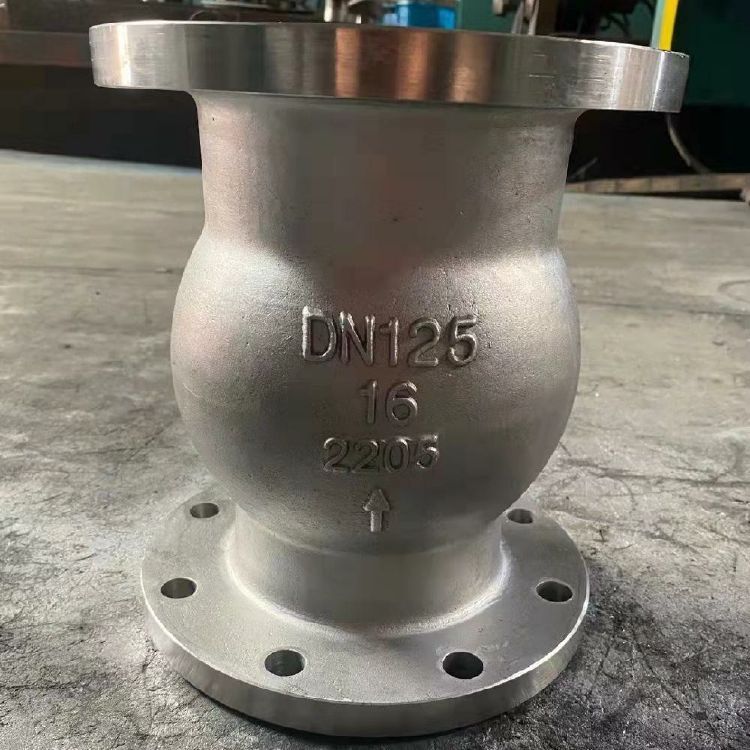
Learn how axial flow check valves help reduce check valve slam, reverse flow, pressure surges, and water hammer risk in pump discharge lines, long-distance pipelines, water treatment systems, oil and gas pipelines, power plants, and industrial fluid systems. This guide explains axial disc movement, spring-assisted non-slam closure, low-pressure-drop flow paths, material selection, pump shutdown conditions, surge analysis, installation location, maintenance considerations, and key differences from swing check valves and dual plate check valves.
Why Ball Valves are the Best Choice for Gases
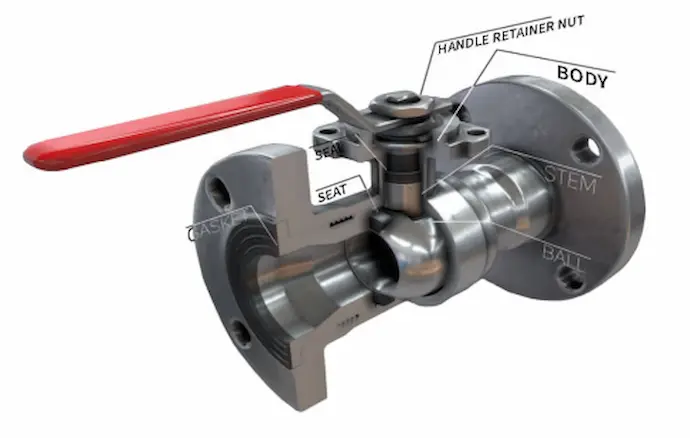
Learn why ball valves are widely used for natural gas, industrial gas, biogas, and other pressurized gas systems. The guide explains their quarter-turn operation, tight shutoff, low flow resistance, pressure capability, material options, and key selection factors for reducing leakage and maintaining safe, reliable gas isolation.
Overview of Valve Bonnets: Crucial Parts of Industrial Valves
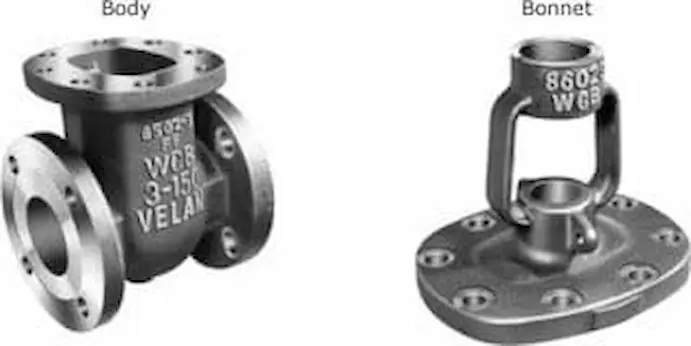
Learn how valve bonnets form the upper pressure boundary of industrial valves while supporting the stem, packing, sealing components, and operating mechanism. The guide compares bolted, welded, and union bonnet designs and explains how pressure, temperature, corrosion resistance, sealing integrity, material selection, and maintenance requirements affect bonnet selection and valve reliability.
Long Pattern vs Short Pattern Ball Valve: Key Differences and Applications
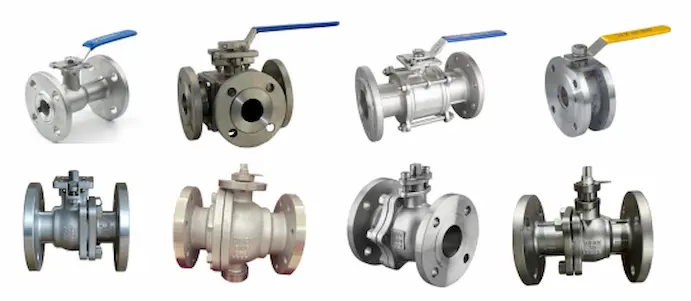
Compare long-pattern and short-pattern ball valves by face-to-face length, installation space, flow capacity, pressure suitability, cost, and application. Long-pattern valves offer a more robust body for demanding pipeline service, while short-pattern valves provide a compact, economical solution for space-limited water, HVAC, and general industrial systems.