
Brass vs Stainless Steel valves: What’s the Difference in Valves
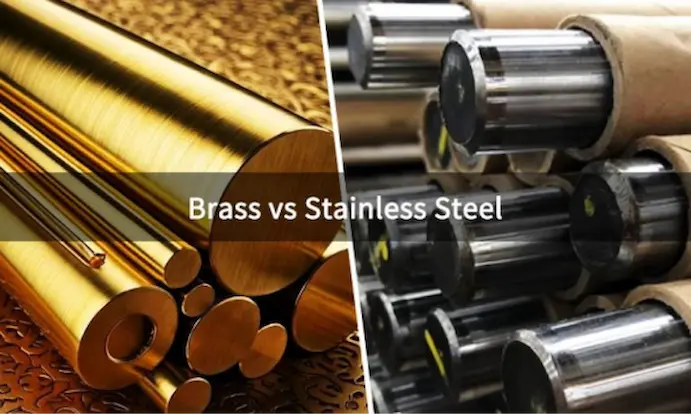
Quick Overview When selecting materials for valves, brass vs stainless steel valves are two of the most popular choices—but they serve different purposes. Understanding the material differences helps engineers and buyers make smarter decisions about performance, durability, and cost. Opening Scenario Picture this: you’re specifying valves for a large industrial pumping system. The engineers argue […]
Brass Valves vs Bronze Valves: Key Differences
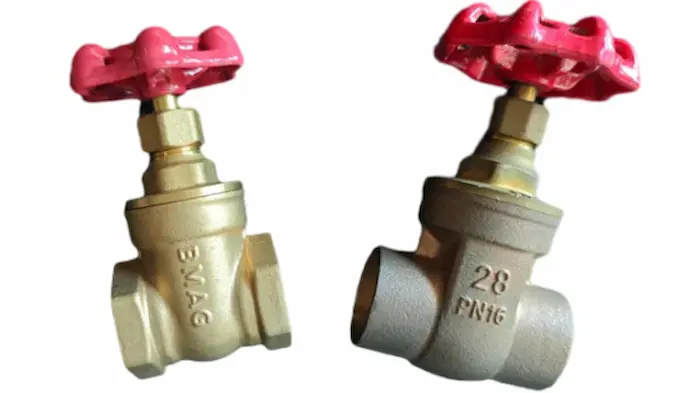
Compare brass and bronze valves by material composition, corrosion resistance, strength, cost, and typical applications. Brass valves are commonly selected for general water, air, and HVAC systems, while bronze valves offer better durability in seawater, marine, and more corrosive operating environments.
On/Off Valve vs Modulating Valve: Key Differences
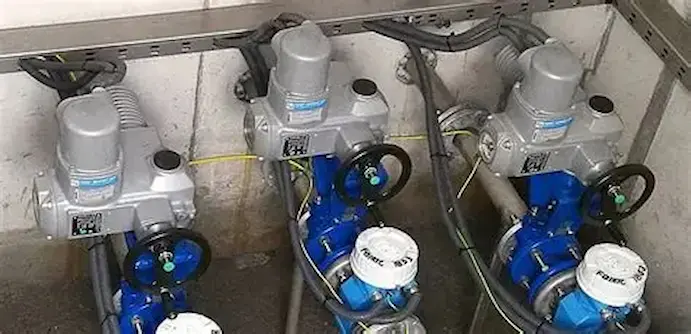
Compare on/off valves and modulating valves by control method, precision, actuator requirements, energy efficiency, cost, and application. On/off valves are suitable for simple fully open or fully closed isolation, while modulating valves provide continuous and precise flow regulation for HVAC, steam, chemical processing, temperature control, and automated process systems.
7 Key Reasons to Choose 24V DC Actuator Valves for Industrial Automation
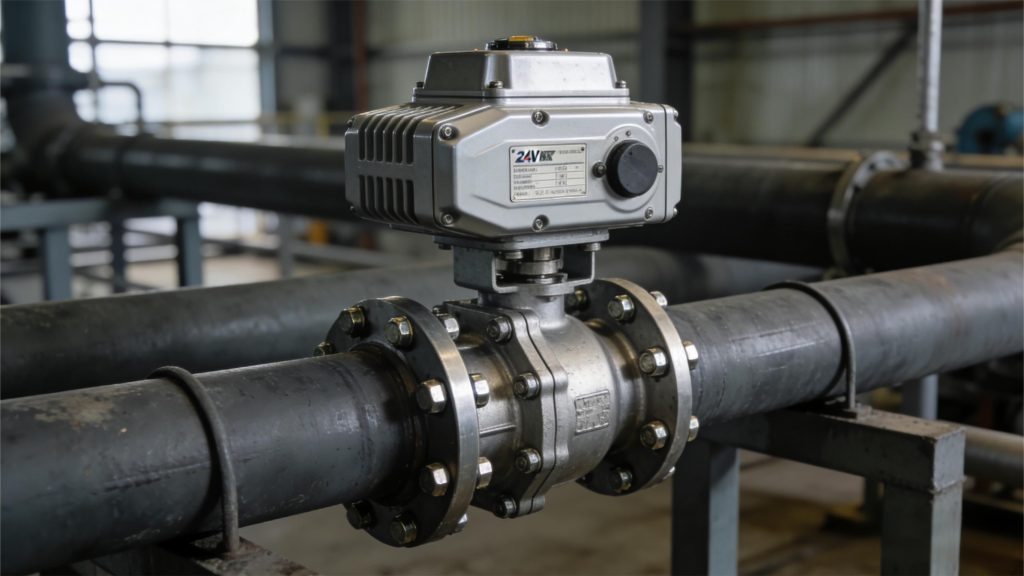
Quick Summary 24V DC actuator valves are electromechanical devices that use electric torque to open, close, or position valves with precision. Popular in industrial automation, these low-voltage workhorses balance energy efficiency, safety, and affordability—making them a top choice for HVAC systems, wastewater treatment, and power plants. The Factory Floor Dilemma Imagine this: A maintenance engineer […]
Brass Ball Valve vs PVC Ball Valve: Engineersssing Insights for Modern Pipeline Systems
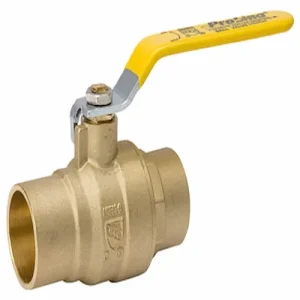
Compare brass and PVC ball valves by pressure and temperature capability, corrosion resistance, mechanical strength, weight, service life, and cost. Brass ball valves provide greater durability and sealing reliability for hot water, compressed air, HVAC, and pressure-cycling systems, while PVC ball valves offer lightweight, economical corrosion resistance for irrigation, swimming pools, water treatment, and compatible low-temperature chemical service.
Bronze Valve Selection: 9 Best Industrial Tips
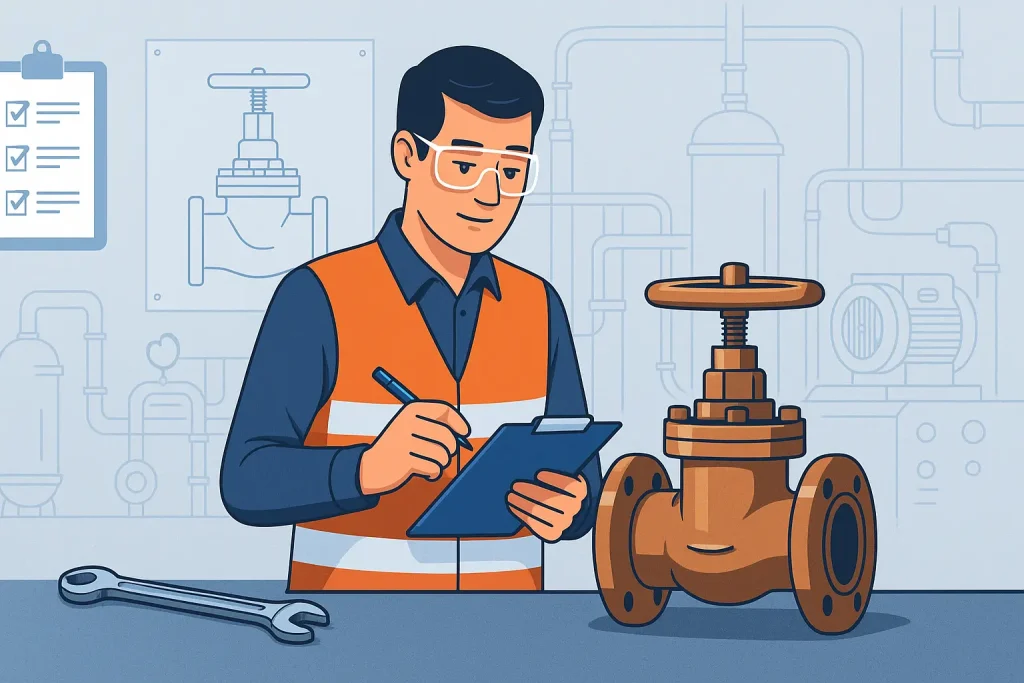
Use this bronze valve selection guide to match material grade, pressure, connection, seawater exposure, media, and maintenance needs in industrial service.