
Cryogenic Ball Valve Selection for LNG: Extended Bonnet, Seat Materials and Testing
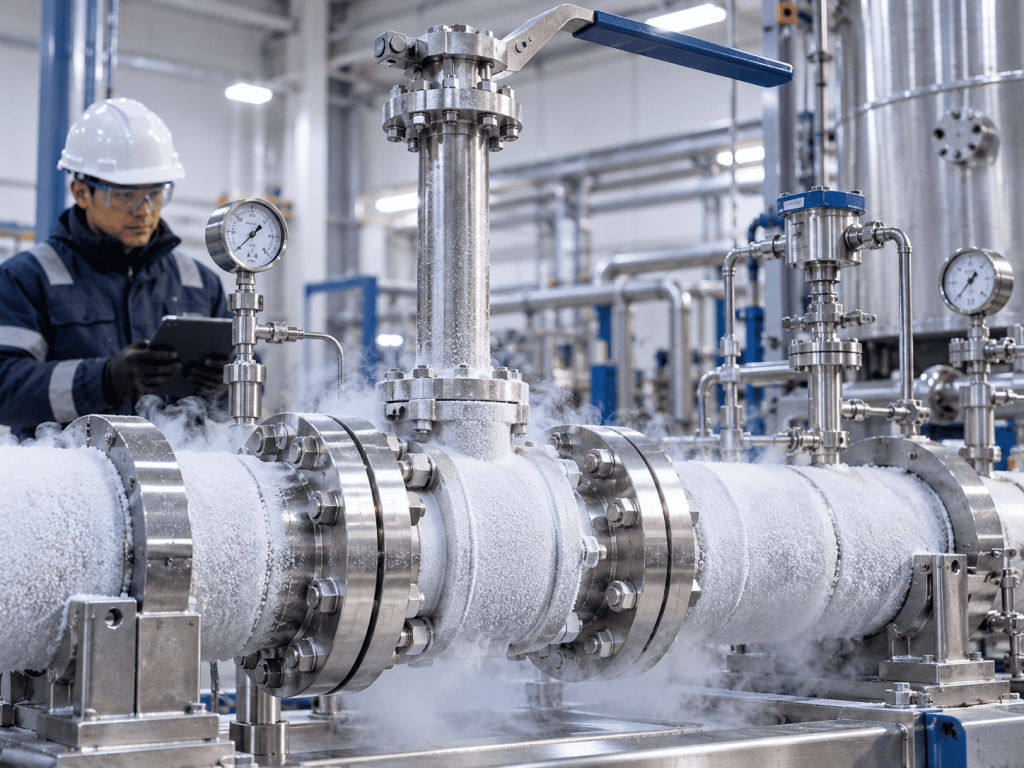
Quick Summary: Selecting a cryogenic ball valve for LNG requires more than specifying stainless steel and a low-temperature rating. LNG valve procurement should verify minimum design temperature, low-temperature material toughness, extended bonnet geometry, cryogenic seat materials, cavity pressure relief, installation direction, cryogenic testing and project documentation. For EPC and LNG terminal projects, buyers should confirm […]
Industrial Ball Valves: 12 Best Types, Materials and Selection Tips
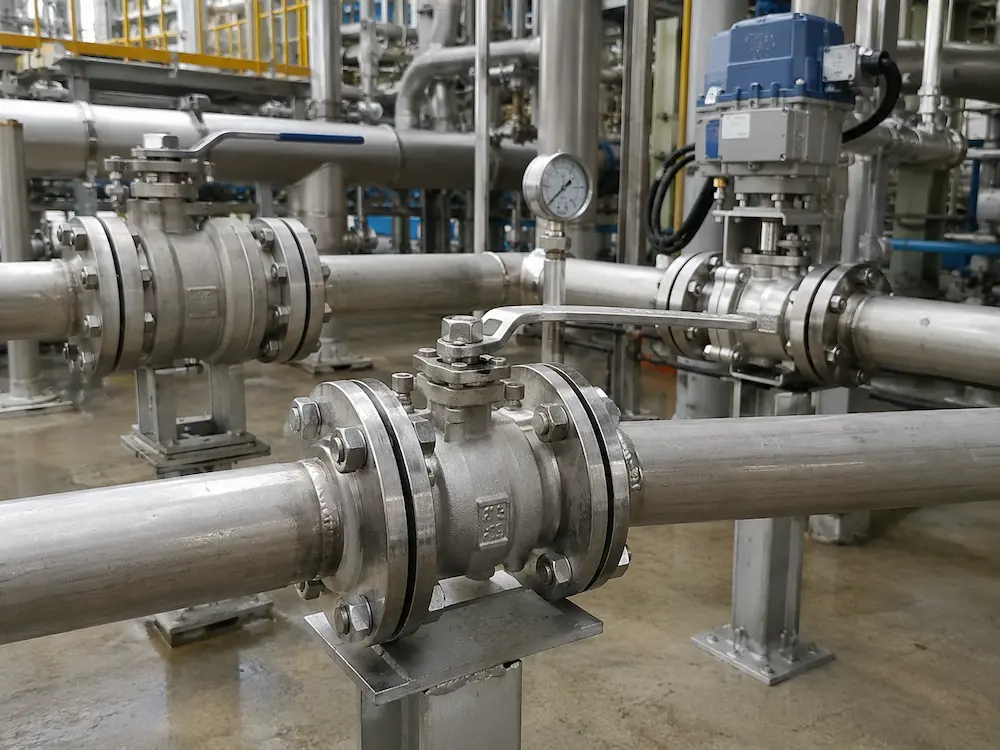
Learn how to choose industrial ball valves by valve type, material, seat design, port type, connection, pressure, temperature, media, automation, and application.
Ball Valve vs Gate Valve vs Globe Valve: Which One Should Industrial Buyers Choose?
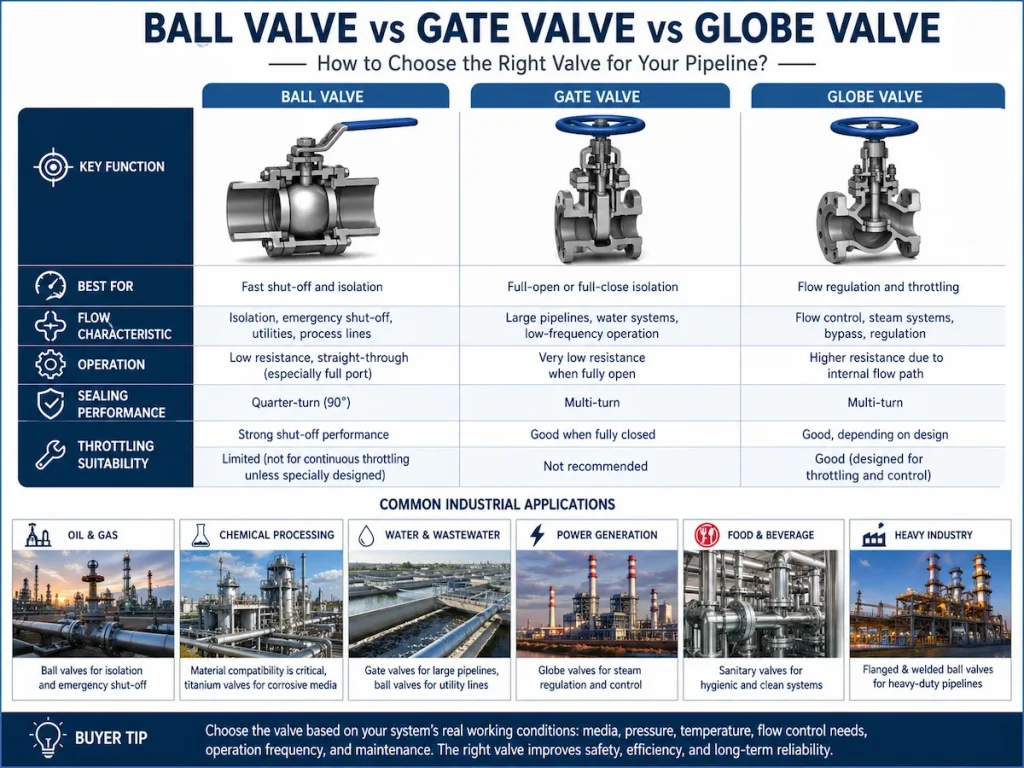
Quick Summary: A ball valve is usually the better choice for fast shut-off, reliable sealing, and low-pressure-loss pipeline isolation, while a gate valve works well for full-open or full-close large pipeline service, and a globe valve is better for flow regulation. For industrial buyers, the right choice depends on flow control needs, pressure drop limits, […]
Full Port Ball Valve: The Ultimate Solution for Unobstructed Industrial Flow
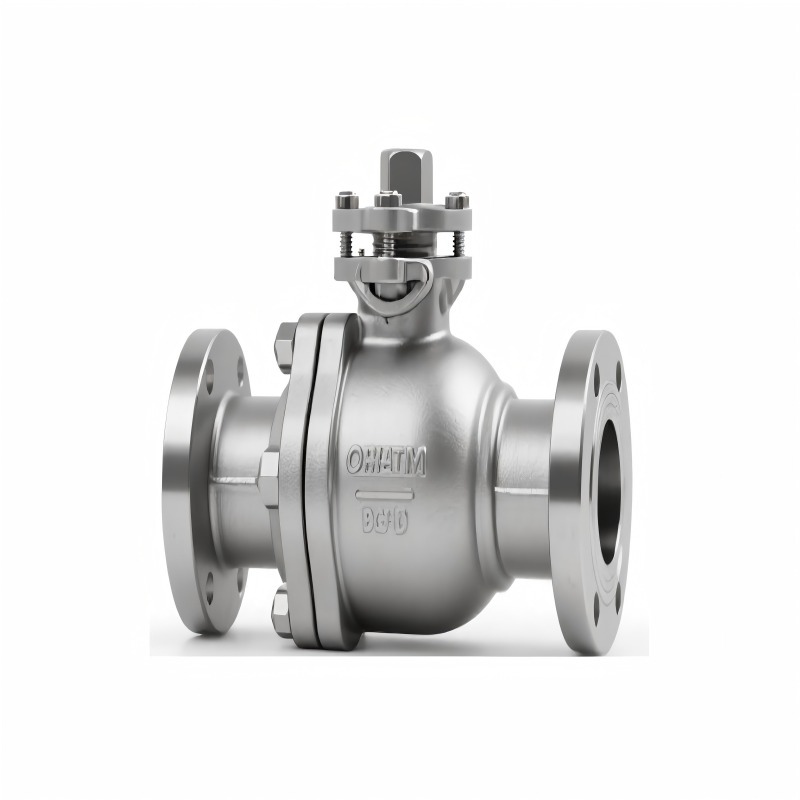
Quick Summary The Full Port Ball Valve (or full-bore ball valve) is an industrial essential engineered for unobstructed flow, minimal pressure loss, and dependable shut-off. With a bore matching pipeline diameters, it excels in oil & gas, chemical, water, and power systems, adhering to global standards like API 6D and ISO 17292 for long-lasting performance. […]
Why Choose Ball Valves for Compressed Air Systems
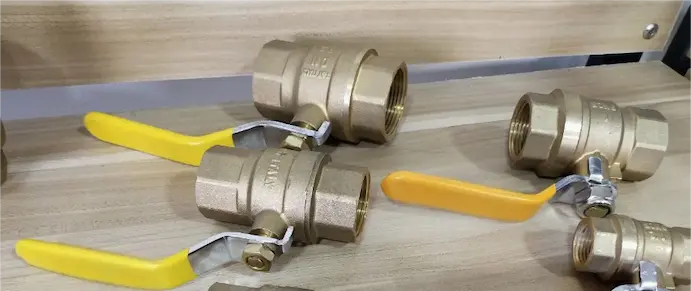
Learn why ball valves are widely used in compressed air systems for isolation, zoning, leakage control, and low-resistance airflow. The guide explains how tight shutoff, full-bore construction, suitable seat materials, pressure rating, cycling requirements, and proper valve sizing help reduce air loss, pressure drop, compressor workload, and operating cost in industrial pneumatic networks.
How Ball Valves Improve Energy Efficiency
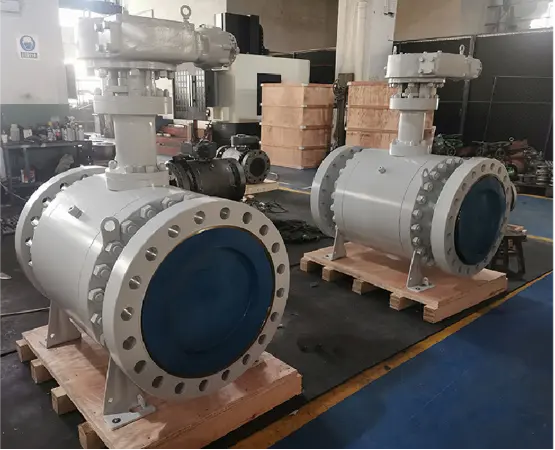
Learn how correct ball valve selection can improve piping-system energy efficiency by reducing unnecessary pressure loss, pump load, turbulence, leakage-related losses, and actuator oversizing. The guide explains full-bore versus reduced-bore ball valves, valve pressure-drop considerations, flow resistance, lifecycle energy cost, and practical selection factors for pump-driven industrial systems.
Ball Valve Wrenches and Manual Operating Tools: Safe Torque and Operation Guide
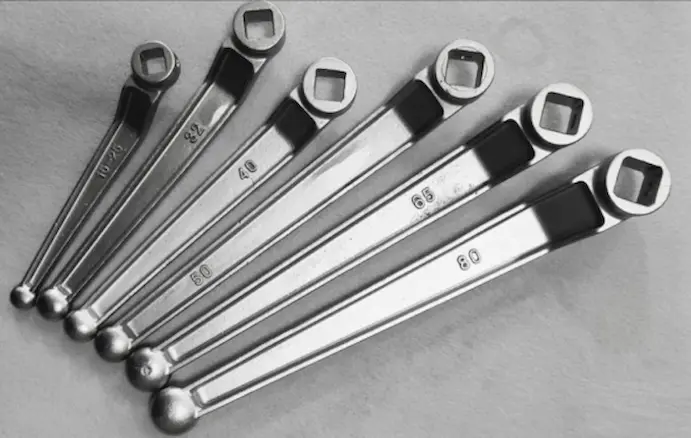
Learn how ball valve wrenches and manual operating tools affect safe and reliable valve operation. The guide explains why wrench length, valve size, operating torque, stem design, seat friction, pressure conditions, tool fit, and operator technique must be matched correctly to avoid over-torque, stem damage, seat wear, unsafe handle movement, and premature ball valve failure.
Floating vs Fixed Ball Valves: Key Differences Explained
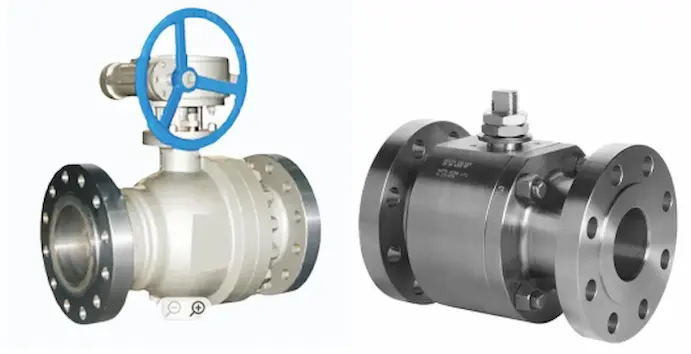
Compare floating and fixed (trunnion-mounted) ball valves by ball support, sealing mechanism, operating torque, pressure capability, valve size, cost, and application. Floating ball valves provide a simpler and more economical solution for small- to medium-size, low- and medium-pressure pipelines, while fixed ball valves offer lower torque and greater sealing stability for large-diameter, high-pressure oil, gas, power, and process systems.
Eccentric Half Ball Valve Design & Industrial Applications
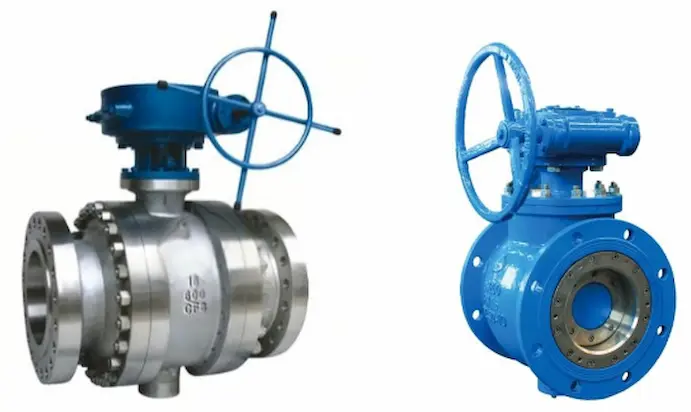
Learn how eccentric half-ball valves use an offset shaft and half-ball closure design to reduce seat rubbing, operating torque, and wear in abrasive, slurry, wastewater, pulp, ash, and solids-containing media. The guide explains the valve’s working principle, metal-seated sealing behavior, self-cleaning action, automation suitability, key selection factors, and differences from standard ball valves and butterfly valves in demanding industrial service.
V-Port Ball Valve: Advantages, Limits & Applications
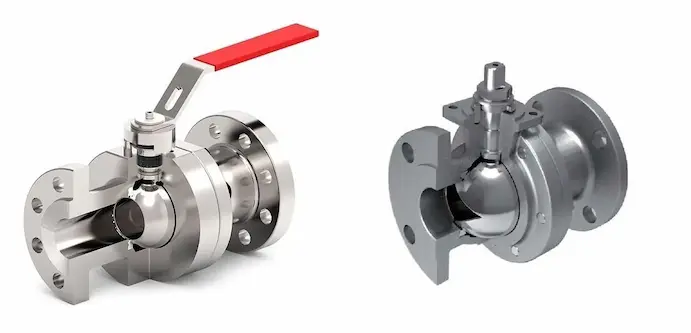
Learn how V-port ball valves provide better modulating control than standard on/off ball valves by using a V-shaped or segmented ball opening to create a more predictable flow characteristic. The guide explains key advantages, limitations, V-angle selection, actuator torque requirements, seat wear risks, cavitation and noise considerations, and when a dedicated globe control valve may still be required for precise or severe control service.
API 607 vs API 6D Ball Valves: Key Differences Explained
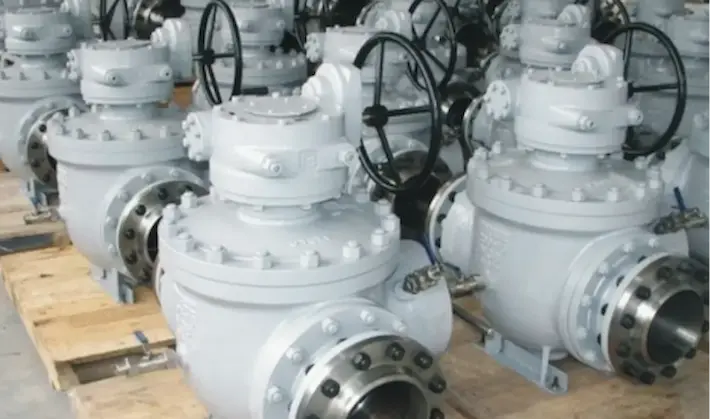
Compare API 607 and API 6D ball valves by standard scope, fire testing, design requirements, inspection, and application. API 607 verifies a quarter-turn valve’s sealing performance during and after fire exposure, while API 6D governs the design, materials, dimensions, testing, and reliability of pipeline valves. For fire-risk transmission pipelines, both API 6D compliance and API 607 fire testing may be required.
CF8M Ball Valve Guide: Material, Uses & Benefits
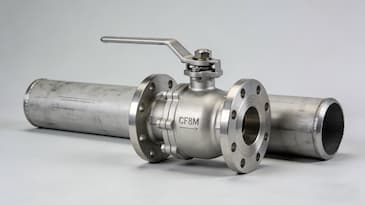
Learn how CF8M ball valves are selected for corrosion-resistant industrial service using ASTM A351 cast 316 stainless steel material. The guide explains CF8M material meaning, differences from CF8, WCB and forged 316 stainless steel, corrosion and chloride limitations, pressure-temperature considerations, seat material selection, and key applications in chemical processing, water treatment, marine, food, and general industrial systems.