
What Is a Semi-Lugged Butterfly Valve? Complete Guide
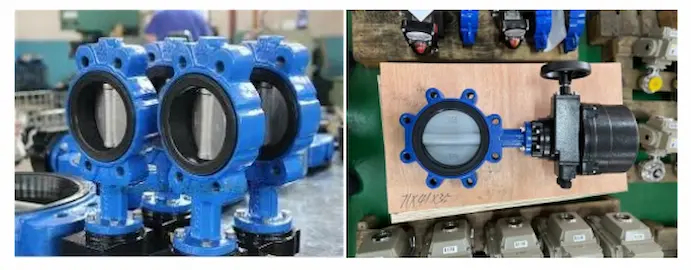
Learn how semi-lugged butterfly valves combine a compact between-flange body with additional alignment or bolting features for improved installation stability. The guide explains their structure, operating benefits, limitations, and key selection factors when comparing wafer, semi-lugged, and fully lugged butterfly valves for water, HVAC, and general industrial systems.
Through Shaft vs Split Shaft Butterfly Valve Discs
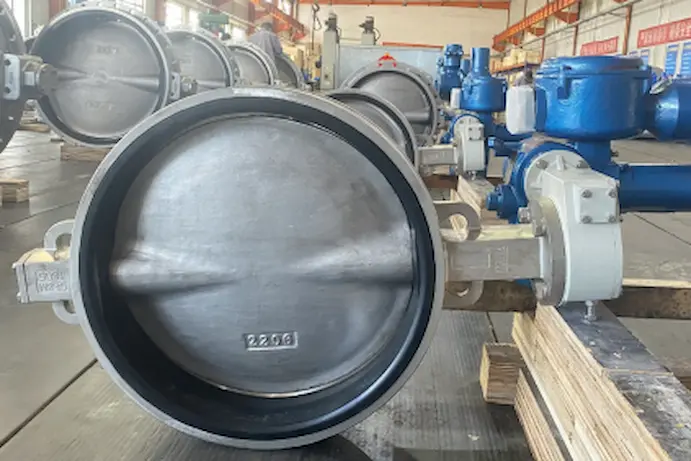
Compare through-shaft and split-shaft butterfly valve discs by shaft structure, mechanical strength, flow resistance, operating torque, weight, cost, and suitable valve size. Through-shaft designs provide strong, simple support for small- to medium-size valves, while split-shaft designs create a less obstructed flow path and are better suited to large-diameter, flow-efficient systems.
Concentric vs Eccentric Butterfly Valve
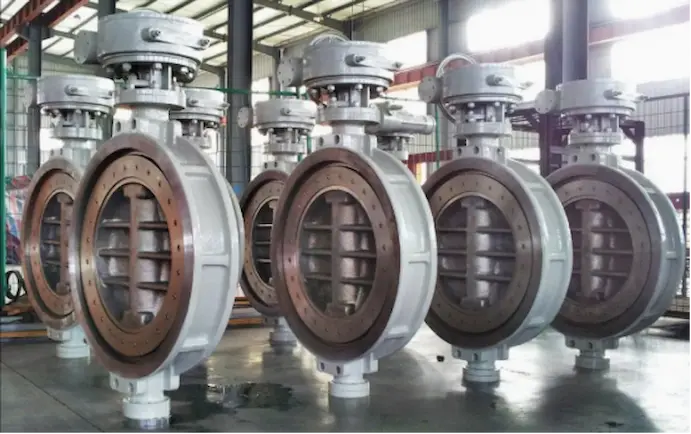
Compare concentric and eccentric butterfly valves by shaft position, seat contact, sealing design, operating torque, pressure and temperature capability, service life, and application. Concentric butterfly valves provide a simple, economical solution for water, HVAC, and low-pressure utility systems, while double- and triple-eccentric designs reduce seat friction and offer more durable sealing for steam, gas, chemical processing, power generation, and other demanding services.
Butterfly Valve Disc Material Selection Guide
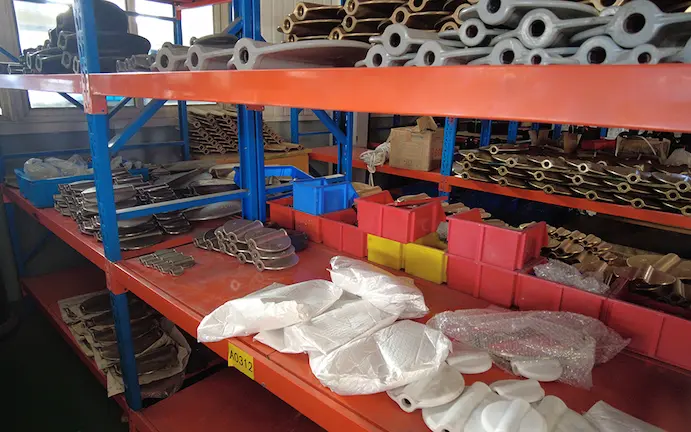
Compare common butterfly valve disc materials—including epoxy-coated ductile iron, stainless steel, aluminum bronze, and coated discs—by corrosion resistance, mechanical strength, operating torque, temperature capability, cost, and media compatibility. Epoxy-coated ductile iron suits water and HVAC systems, stainless steel is preferred for chemical and hygienic service, and aluminum bronze provides strong seawater resistance for marine and offshore applications
Two-Piece Shaft Butterfly Valve: Design, Applications and Selection
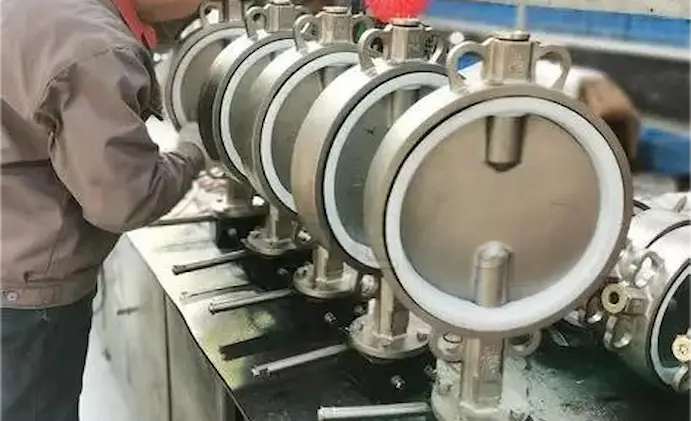
Learn how a Class 150 butterfly valve with a two-piece shaft design supports the disc through separate upper and lower shafts. The guide explains its construction, operating characteristics, wafer and lug body options, resilient-seat configurations, actuation compatibility, and key selection factors for water, HVAC, wastewater, and general industrial piping systems.
Resilient Seated Butterfly Valve Seat Design Guide
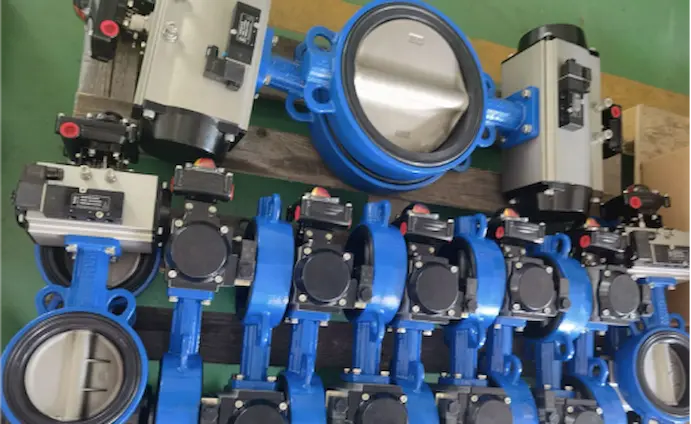
Compare booted, molded-in, and cartridge seat designs used in resilient-seated butterfly valves. The guide explains how seat retention, replaceability, flange sealing, pressure and vacuum capability, operating torque, media compatibility, maintenance access, and lifecycle requirements affect the selection of a suitable butterfly valve seat configuration.
Extended Stem Butterfly Valves for Underground Pipelines
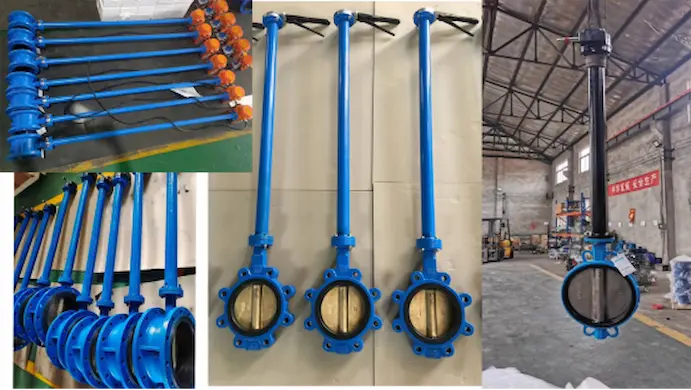
Learn how extended stem butterfly valves allow buried pipeline valves to be operated safely from ground level or inside a valve box without excavation. The guide explains stem length selection, valve box compatibility, corrosion and ingress protection, torque transmission, installation planning, and routine inspection considerations for municipal water, utility, and underground industrial pipeline systems.
Ductile Iron Butterfly Valves for the UK Market | Vcore Valve
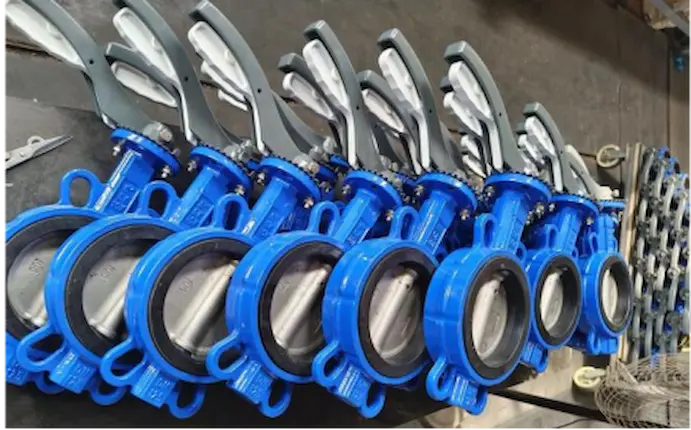
Explore how ductile iron butterfly valves are used in the UK market for municipal water distribution, commercial HVAC, and general industrial utility pipelines. The guide explains key buyer concerns such as material strength, resilient-seat sealing, wafer and lug body options, EN or WRAS-related compliance expectations, quality consistency, installation compatibility, and long-term supplier reliability.
How to Fix a Leaking Butterfly Valve: Causes, Inspection and Repair Guide
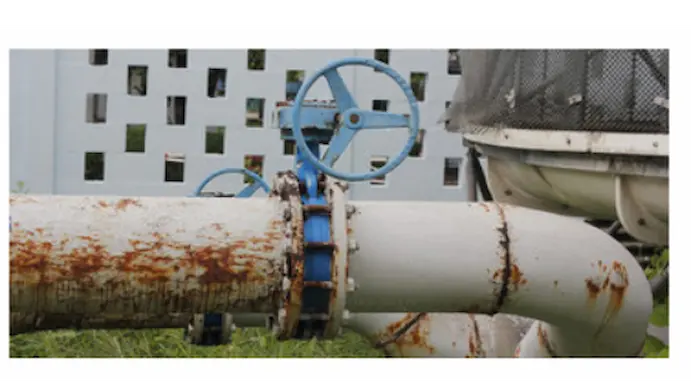
Learn how to troubleshoot and repair a leaking butterfly valve by identifying whether leakage comes from the seat, shaft, flange, body, or sealing surface. The guide explains common causes such as worn seats, damaged O-rings, misalignment, over-tightened flange bolts, material incompatibility, corrosion, and excessive pressure, while outlining safe isolation, inspection, repair, replacement, and preventive maintenance steps.
Stainless Steel Butterfly Valve: Materials, Applications and Selection Guide
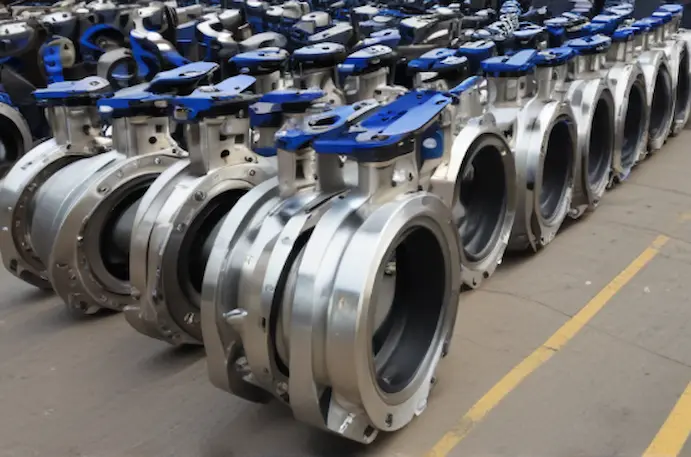
Learn how stainless steel butterfly valves are selected for corrosive, hygienic, automated, and general industrial piping systems. The guide explains key factors such as stainless steel body and disc materials, wafer and lug configurations, double-offset and triple-offset designs, resilient or metal seats, actuator compatibility, pressure-drop considerations, media compatibility, and application requirements in food, chemical, water treatment, energy, and process industries.
Gear Operated Butterfly Valve: Design & Applications
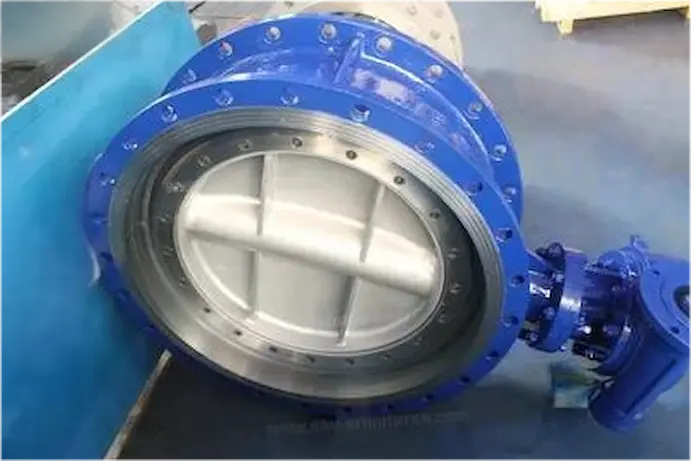
Quick Overview Our gear operated butterfly valve is a manually operated flow control solution designed for pipelines where valve size, pressure, or torque requirements exceed the limits of a simple hand lever. By using a worm gear mechanism, these valves allow smooth, precise operation with minimal effort. At Vcore Valve, gear operated butterfly valves are […]
Pneumatic Butterfly Valve: Actuator Types, Applications and Selection Guide

Learn how pneumatic butterfly valves combine a quarter-turn butterfly valve with a compressed-air actuator for fast and repeatable automated operation. The guide explains double-acting and spring-return actuator options, wafer and lug valve body selection, actuator torque matching, positioner and limit-switch accessories, air-supply requirements, throttling limitations, and key configuration factors for water, HVAC, chemical, food, oil and gas, and industrial automation systems.