
Can a Check Valve Be Installed Vertically?
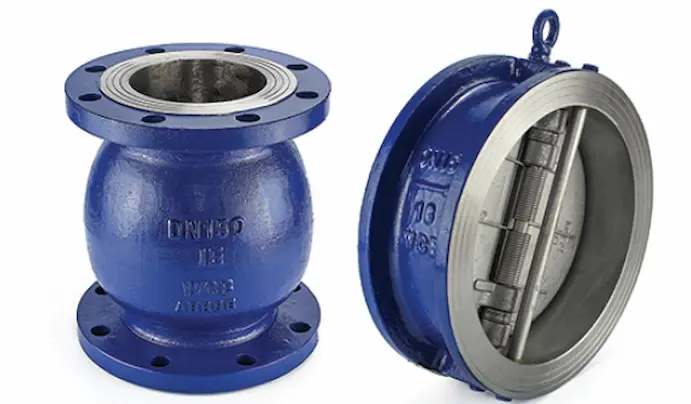
Can a check valve be installed vertically? This in-depth guide explains vertical check valve installation rules, suitable valve types, common mistakes, and engineering best practices from Vcore Valve.
Working Principle of Double Plate Check Valve Explained
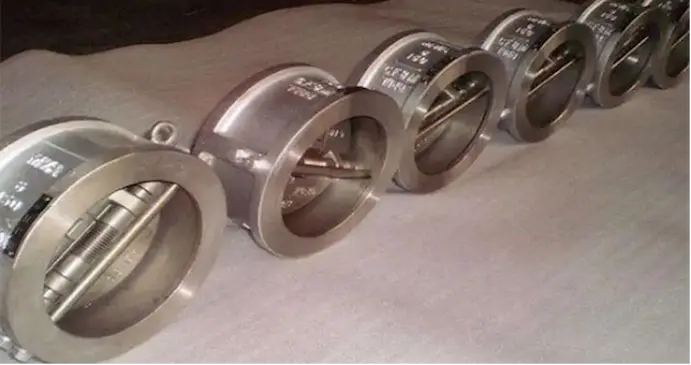
Learn how a dual-plate check valve uses two spring-assisted plates mounted around a central hinge to permit forward flow and close automatically as flow decelerates. The guide explains its opening and closing sequence, compact wafer construction, non-return function, water-hammer considerations, installation orientation, and key selection factors for pumps, water systems, HVAC, and industrial pipelines.
Why Install a Check Valve at the Pump Outlet?
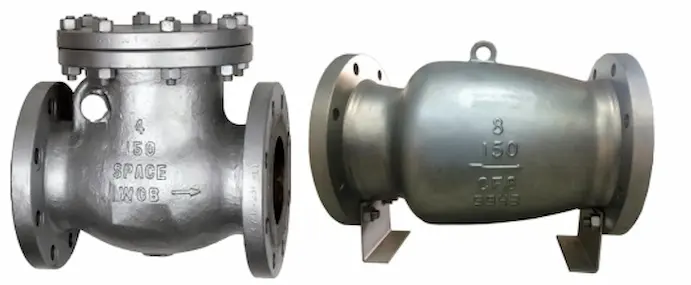
Learn why check valves are installed at pump outlets to prevent reverse flow, reverse pump rotation, water hammer, seal damage, and unstable system operation. The guide also explains proper installation position, valve selection, and why fast-closing designs such as nozzle check valves are often preferred for pump discharge lines.
Nozzle Check Valve for Non-Slam Flow Control
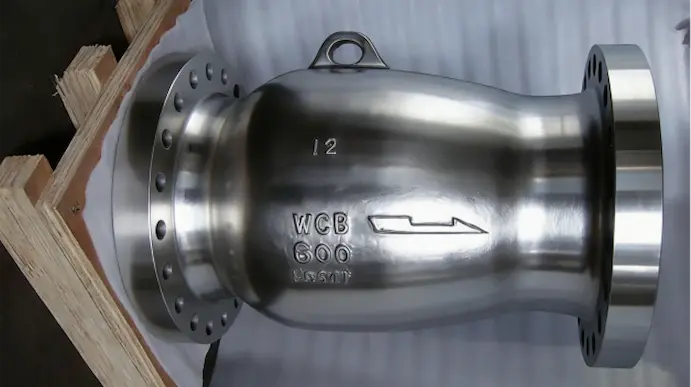
Learn how nozzle check valves, also known as axial flow or non-slam check valves, use a spring-assisted axial disc to reduce reverse-flow velocity, valve slam, noise, and pressure-surge risk in pump discharge and high-flow pipeline systems. The guide explains their working principle, flow path, sealing options, material selection, pressure-loss considerations, installation limits, and key sizing factors for power, water, desalination, oil and gas, and industrial process applications.
Tilting Disc vs Silent Check Valve Comparison
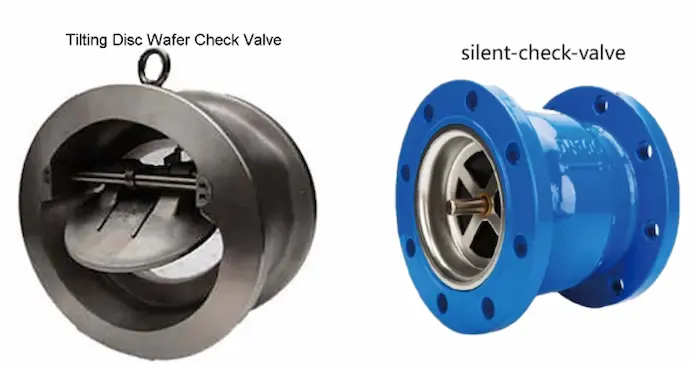
Compare tilting disc and silent check valves by closing mechanism, pressure loss, water-hammer control, installation space, noise level, and application. Tilting disc check valves provide low flow resistance for large, steady-flow pipelines, while spring-assisted silent check valves close rapidly to reduce reverse flow, noise, and pressure surges in pump discharge systems.
Lift Check Valve Structure, Working Principle & Applications
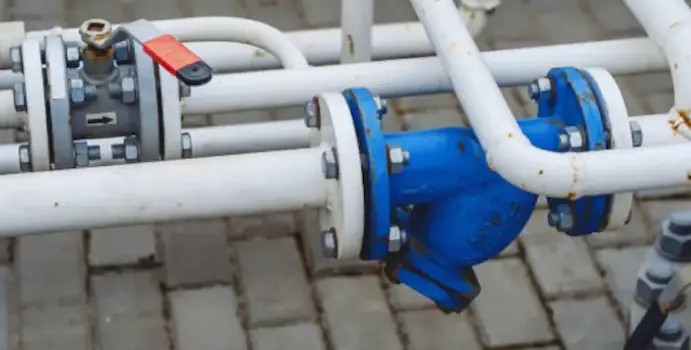
Learn how lift check valves use pressure differential, guided vertical disc movement, gravity, spring force, or back pressure to prevent reverse flow in pressurized pipeline systems. The guide explains lift check valve structure, working principle, horizontal and vertical installation requirements, flow stability, pressure-loss considerations, water-hammer limitations, and key selection factors for steam, oil, gas, boiler feed, refinery, and industrial process applications.
Sump Pump Check Valves: Types, Benefits & Applications
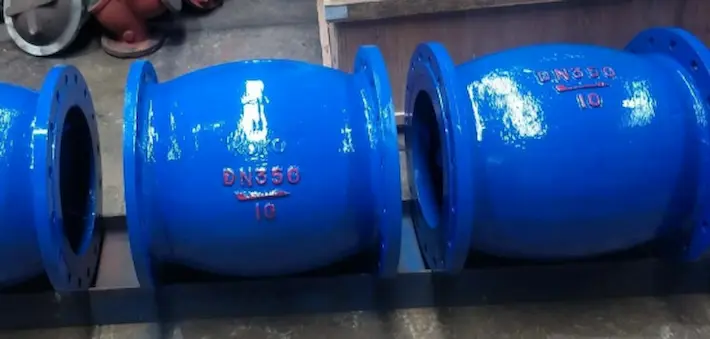
Learn how to select sump pump check valves for basement drainage, commercial sump systems, and pump discharge lines. The guide explains how swing, spring-loaded silent, flapper, and ball check valves help prevent backflow, reduce short cycling, limit discharge-pipe noise, and protect sump pumps, while covering installation position, material selection, debris tolerance, pressure and flow ratings, inspection access, and replacement considerations.
Vacuum Breaker vs Check Valve: Key Differences Explained
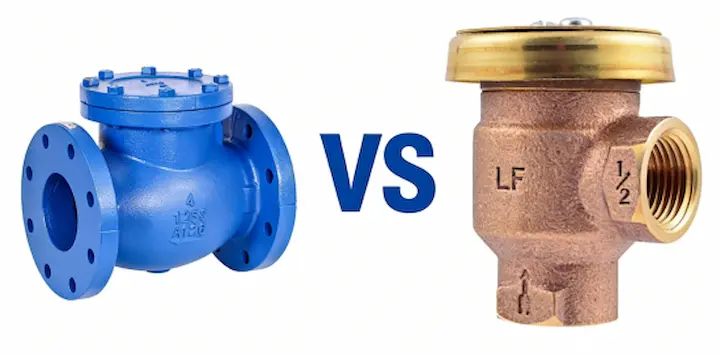
Learn the difference between a vacuum breaker and a check valve, including vacuum protection, siphon prevention, backflow control, installation points and selection checks.
What is swing check valve
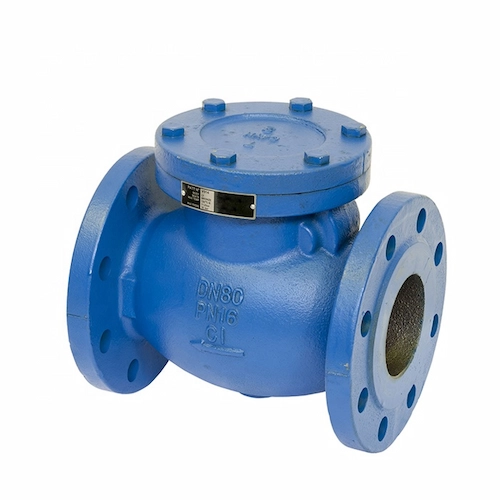
Quick Summary A swing check valve is a type of backflow prevention device used in pipelines to ensure unidirectional flow. The valve has a hinged disc that swings to allow flow in one direction, and swings back to close when flow reverses. This simple yet effective mechanism prevents backflow and protects systems from potential damage […]