
Vacuum Ball Valve vs Regular Ball Valve: Key Differences
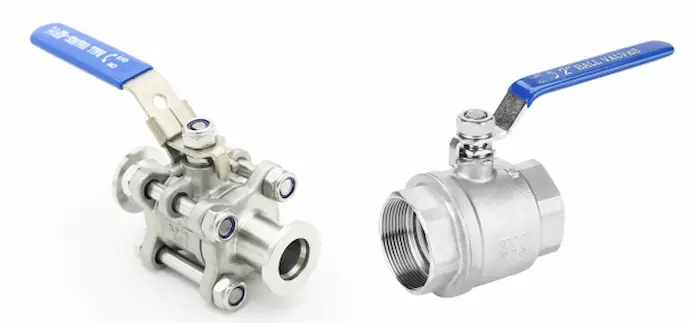
Compare vacuum ball valves and regular ball valves by sealing design, pressure conditions, leakage control, cost, and application. Vacuum ball valves provide tighter sealing for vacuum, laboratory, pharmaceutical, and packaging systems, while regular ball valves are generally more economical for pressurized water, oil, gas, and industrial pipelines.
Sanitary vs Industrial Valves: Key Differences and Applications
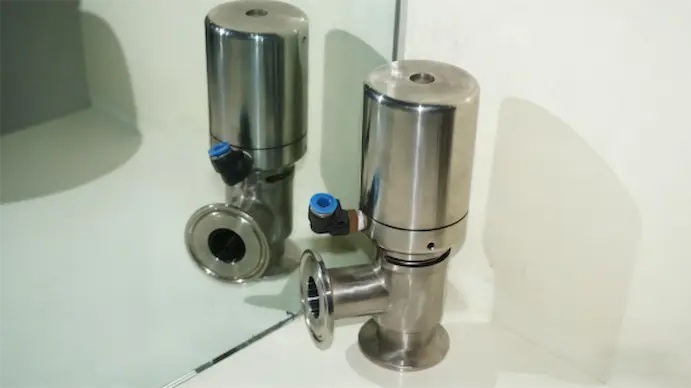
Compare sanitary and industrial valves by hygienic design, surface finish, materials, cleaning requirements, pressure capability, and application. Sanitary valves are designed for contamination-sensitive food, beverage, pharmaceutical, and biotechnology systems, while industrial valves prioritize durability, pressure resistance, and reliable operation in oil and gas, chemical processing, power generation, and water treatment.
Intergranular Corrosion: What It Is and How to Prevent It
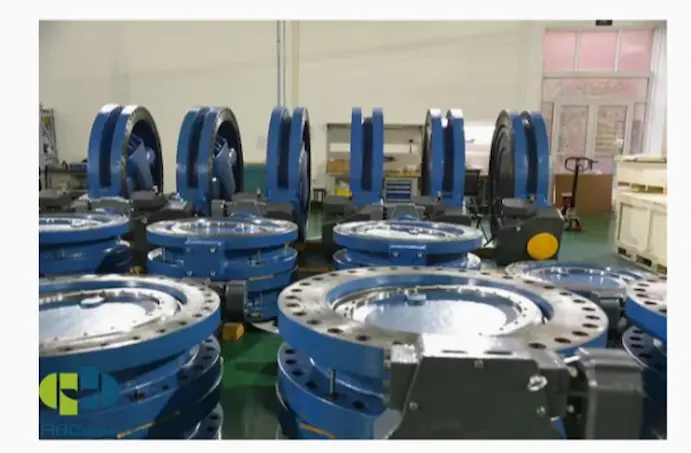
Learn what intergranular corrosion is, why it occurs along metal grain boundaries, and how it can weaken stainless steel valves used in chemical, high-temperature, oil and gas, water treatment, and industrial process systems. This guide explains stainless steel sensitization, chromium carbide precipitation, weld heat-affected zones, low-carbon stainless steel, stabilized grades, nickel alloys, passivation, coating limitations, inspection methods, and material selection practices for reducing intergranular corrosion risk in industrial valves.
Choosing Valves for Multiphase Flow: Key Considerations
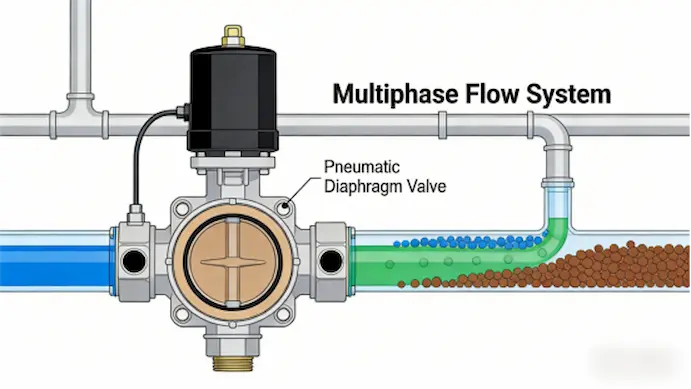
Quick Overview Selecting the right valves for multiphase flow is crucial for efficient and reliable system performance. Multiphase flow involves the simultaneous transportation of multiple phases (liquids, gases, or solids), which can present significant challenges. This article explores the key factors to consider when choosing valves for multiphase flow systems, highlighting the most suitable valve […]
Flush Bottom Valve: Definition, Types, Components, Working, and Advantages
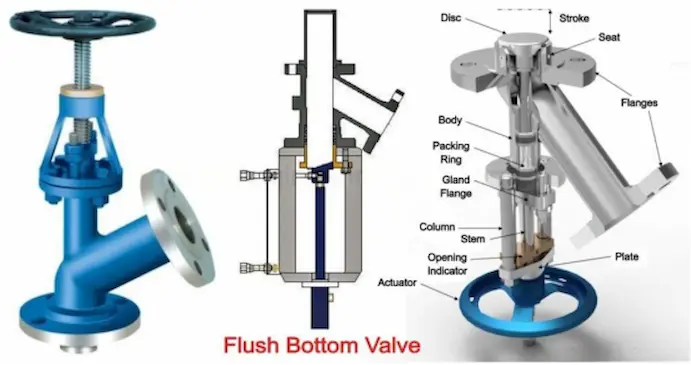
Learn how flush bottom valves provide complete and controlled discharge from tanks, reactors, and process vessels while reducing residue accumulation, contamination, and flow blockage. The guide explains common valve types, components, operating principles, advantages, and selection factors for viscous liquids, slurries, volatile fluids, and other demanding process media.
Single-Seated vs Double-Seated Control Valves: Which One is Right for Your System?
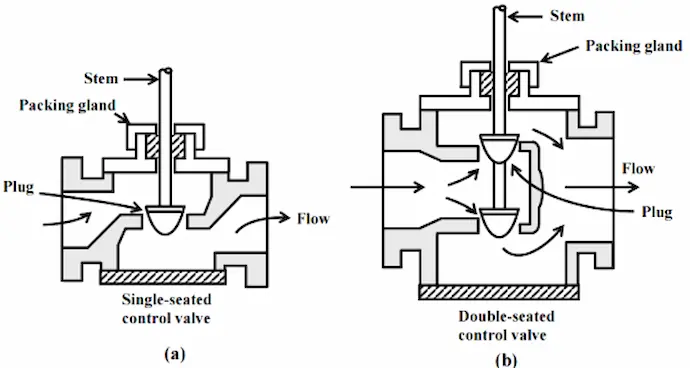
Compare single-seated and double-seated control valves by seat configuration, shutoff performance, pressure balancing, flow capacity, actuator requirements, maintenance, and application. Single-seated valves generally provide tighter shutoff and simpler maintenance, while double-seated valves handle higher flow rates and pressure differentials with lower actuator force.
Parallel Slide Gate Valves: A Complete Guide
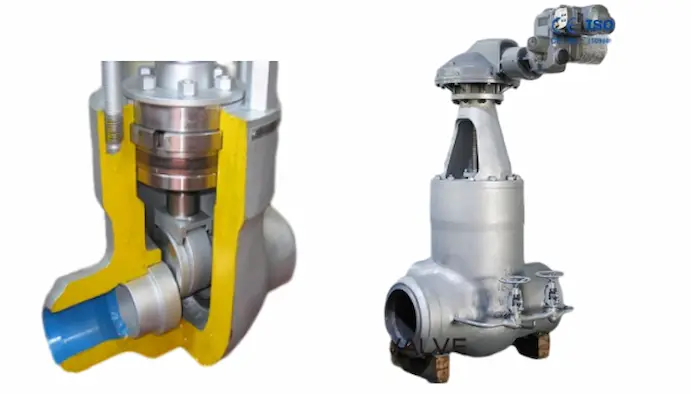
Learn how parallel slide gate valves use parallel discs, initial spring loading, and pipeline pressure to provide reliable isolation in high-pressure and high-temperature systems. The guide explains their working principle, low-flow-resistance design, resistance to thermal binding, key selection factors, and applications in steam, power generation, oil and gas, and industrial process pipelines.
Why Conventional Butterfly Valves May Be Unsuitable for Abrasive Dry Bulk Solids
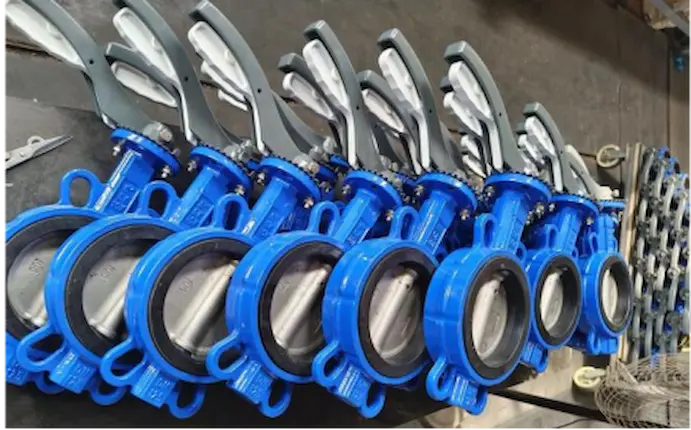
Learn why conventional butterfly valves may experience abrasion, particle packing, seat damage, flow restriction, and incomplete shutoff when handling dry powders and granular materials. The guide explains the limitations of standard butterfly valve designs and outlines key factors for selecting purpose-built bulk-solids valves, slide gates, rotary airlocks, or feeding equipment for cement, mining, food, and powder-processing systems.
Backflow Preventer vs Check Valve: Which One is Right for You?
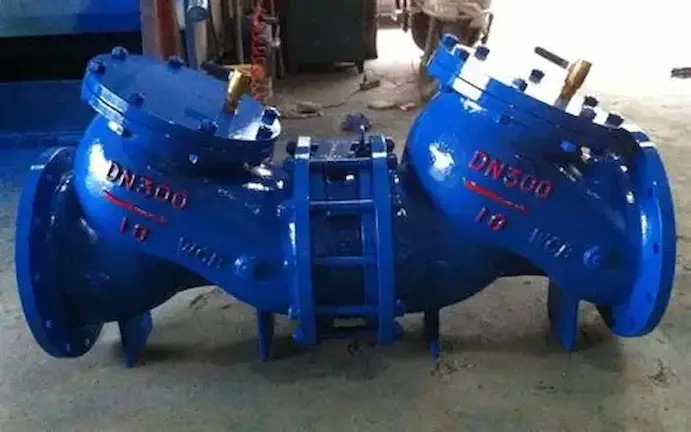
Compare backflow preventers and check valves by protection level, internal design, testing requirements, cost, and application. Backflow preventers use multiple protective components to safeguard potable water from backsiphonage and backpressure contamination, while check valves provide simpler one-way flow control for pumps, HVAC, fire protection, and general industrial pipelines.
Vcore Valve – Flexible Production Capacity for Your Industrial Needs
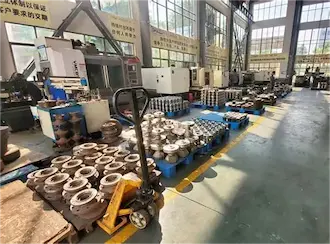
Learn how Vcore Valve supports custom valve projects, small-batch orders, large-volume production, urgent delivery requirements, and changing project schedules through flexible production capacity. This page explains how scalable manufacturing, engineering customization, material selection, quality control, testing coordination, and production planning help industrial buyers source ball valves, butterfly valves, gate valves, globe valves, check valves, control valves, and customized valve solutions for demanding applications.
Cryogenic Valves for LNG Storage and Transport: Safety Selection Guide
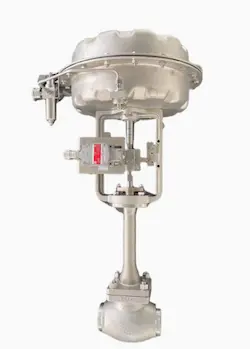
Select cryogenic valves for LNG service by checking low-temperature toughness, extended bonnet design, leakage class, pressure rating, testing and RFQ data.
Valve Sticking Problems: 9 Best Causes and Fixes
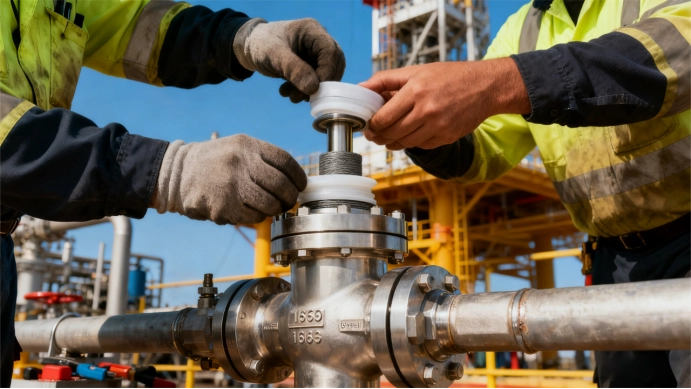
Diagnose valve sticking problems in flow systems by checking debris, corrosion, packing friction, actuator issues, lubrication, cleaning and replacement timing.