
Sluice Valve vs Gate Valve: Key Differences Explained
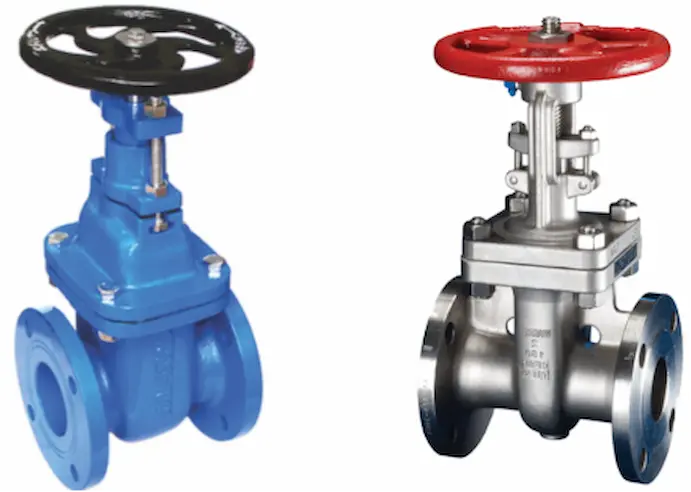
Compare sluice valves and gate valves by gate structure, media compatibility, debris resistance, sealing performance, maintenance, and application. Sluice valves are better suited to wastewater, sludge, slurry, and solids-bearing media, while conventional gate valves provide economical, low-resistance isolation for clean water, oil, gas, steam, and general industrial pipelines.
Plug Valve vs Ball Valve: Key Differences & Applications
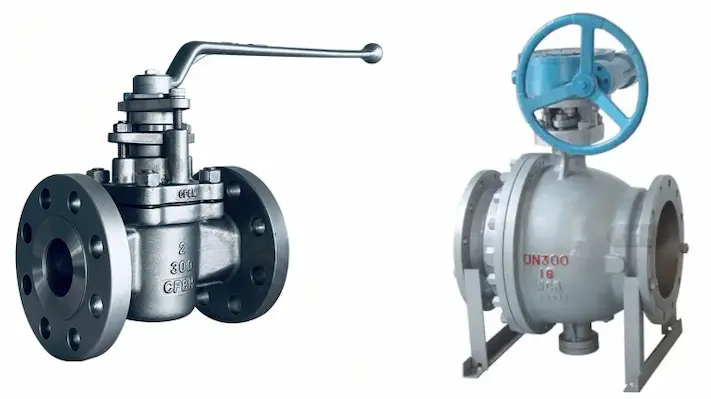
Compare plug valves and ball valves by closure design, sealing performance, pressure drop, operating torque, maintenance, and media compatibility. Ball valves provide tight shutoff, low flow resistance, and easy automation for water, oil, gas, and high-pressure pipelines, while plug valves are better suited to throttling, slurry, abrasive media, and corrosive heavy-duty services.
Floating Valves in Industrial Applications: Materials and Types Overview
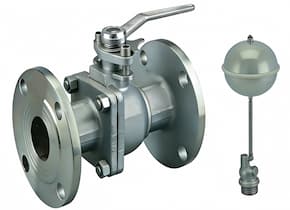
Learn the main types of floating valves used in industrial fluid systems and how to select the correct design for pipeline isolation, tank level control, or automatic water replenishment. The guide explains floating ball valves, float-controlled hydraulic valves, and float-operated angle globe valves, while comparing their control methods, materials, installation locations, and key selection factors for water, storage, process, and utility applications.
Types of 3-Way Valves and Their Applications: A Complete Guide for Industrial Use
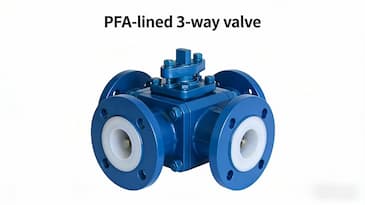
Quick Summary In this article, we will explore the different types of 3-way valves, their applications, and how they perform in various industrial environments. By understanding the key differences between these valves, you can make informed decisions about which is best suited for your operational needs. Whether you’re working in chemical processing, water treatment, or […]
What is an Angle Valve Used For? | Applications & Benefits Explained
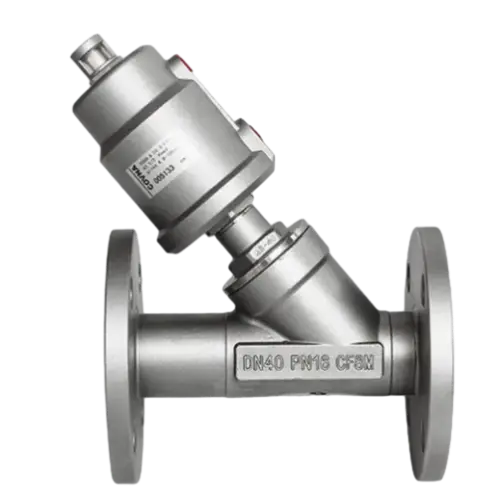
Quick Summary Angle valves are versatile components used in fluid control systems to regulate flow direction at a 90-degree angle. They’re commonly used in industries like plumbing, HVAC, and manufacturing due to their unique ability to direct flow efficiently and save space in confined systems. Angle Valves: Essential Components for Fluid Control Imagine a factory […]
Bronze Valve Selection: 9 Best Industrial Tips

Use this bronze valve selection guide to match material grade, pressure, connection, seawater exposure, media, and maintenance needs in industrial service.