
Non-Lubricated Plug Valve vs Lubricated Plug Valve: Which is Best for Your Application?
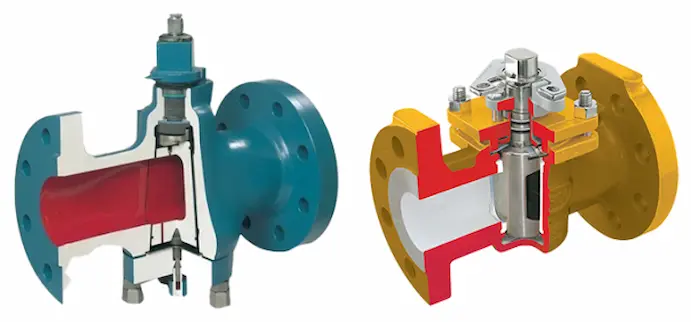
Compare non-lubricated and lubricated plug valves by sealing design, operating torque, pressure and temperature capability, maintenance, contamination risk, and application. Non-lubricated plug valves suit cleaner, low- to medium-pressure services where lubricant contamination is undesirable, while lubricated plug valves provide smoother operation and stronger sealing for demanding high-pressure and high-temperature industrial systems.
Custom Plug Valve Guide: 5 Key Types, Materials & Uses
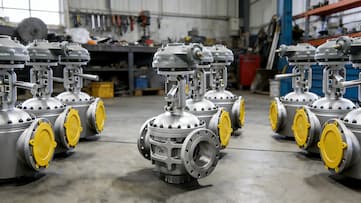
Learn how to select custom plug valves for chemical processing, petrochemical service, wastewater, slurry, oil and gas, fuel lines, marine systems, and industrial pipelines. This guide explains lubricated plug valves, non-lubricated plug valves, eccentric plug valves, expanding plug valves, and multi-port plug valves, while covering body material, plug and sleeve design, sealing method, pressure class, port geometry, actuation, flange standard, corrosion resistance, solids handling, leakage testing, and key quotation information for customized plug valve projects.