
Nozzle Check Valve for Water Hammer Control: When Is It Needed?
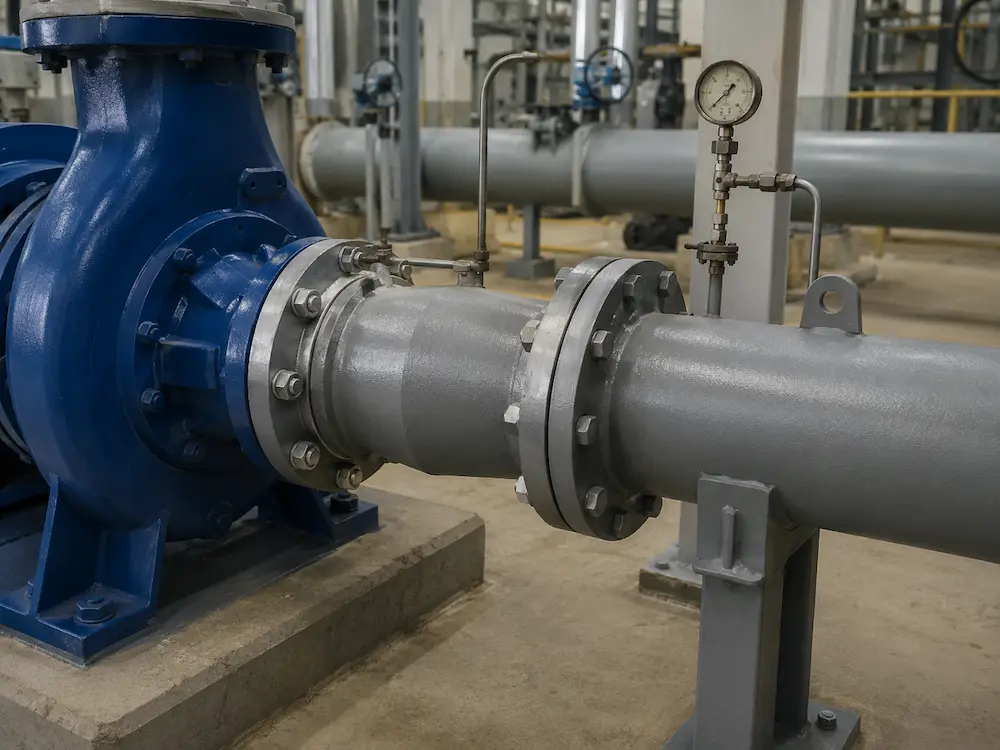
Learn when to use a nozzle check valve for water hammer prevention, pump discharge protection, non-slam closure, reverse flow control, and industrial pipeline reliability.
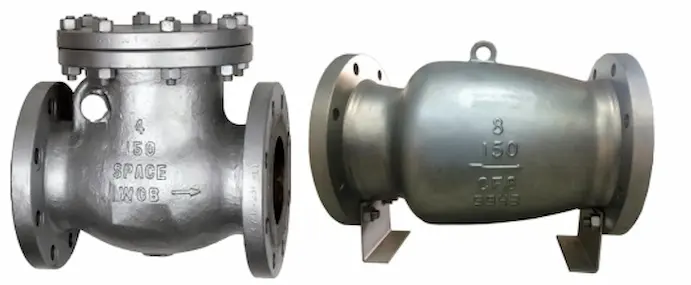
Industrial Check Valves: Types, Applications and Selection Guide
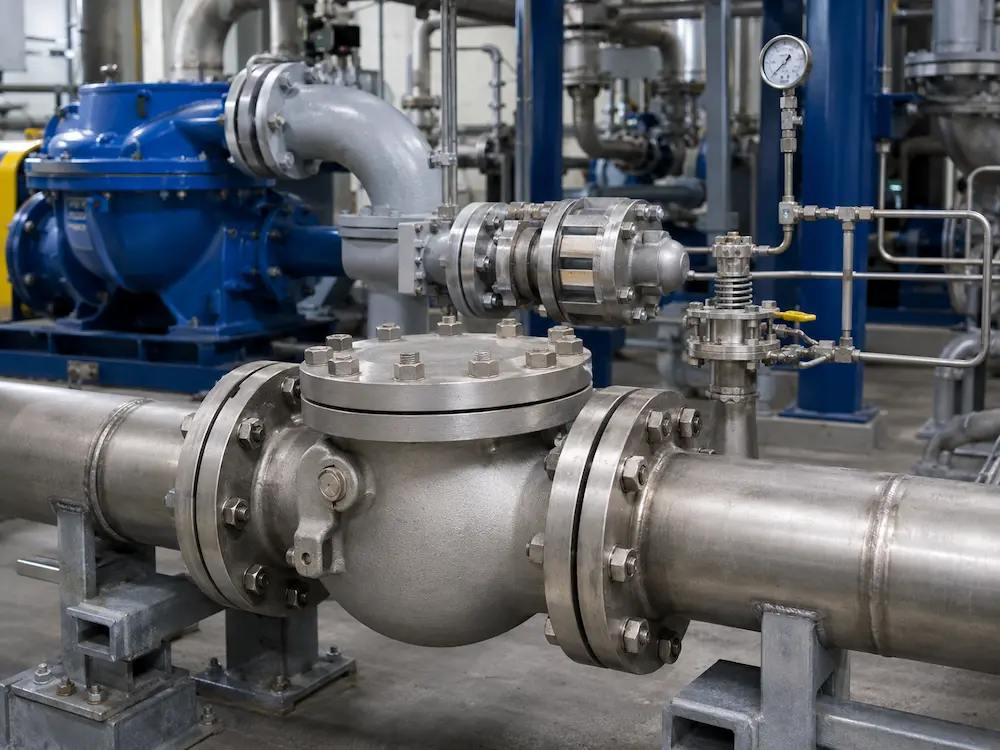
Learn how to choose industrial check valves by valve type, backflow prevention function, pressure, flow direction, installation position, material, application, and water hammer risk.
Why Install a Check Valve at the Pump Outlet?
Learn why check valves are installed at pump outlets to prevent reverse flow, reverse pump rotation, water hammer, seal damage, and unstable system operation. The guide also explains proper installation position, valve selection, and why fast-closing designs such as nozzle check valves are often preferred for pump discharge lines.
Nozzle Check Valve for Non-Slam Flow Control
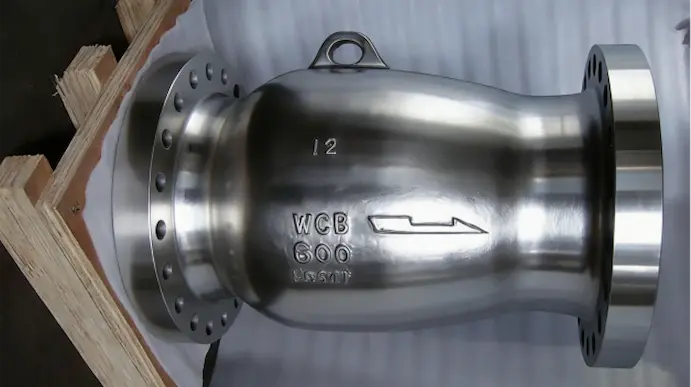
Learn how nozzle check valves, also known as axial flow or non-slam check valves, use a spring-assisted axial disc to reduce reverse-flow velocity, valve slam, noise, and pressure-surge risk in pump discharge and high-flow pipeline systems. The guide explains their working principle, flow path, sealing options, material selection, pressure-loss considerations, installation limits, and key sizing factors for power, water, desalination, oil and gas, and industrial process applications.