
What are Hydraulic Check Valves and How Do They Work?
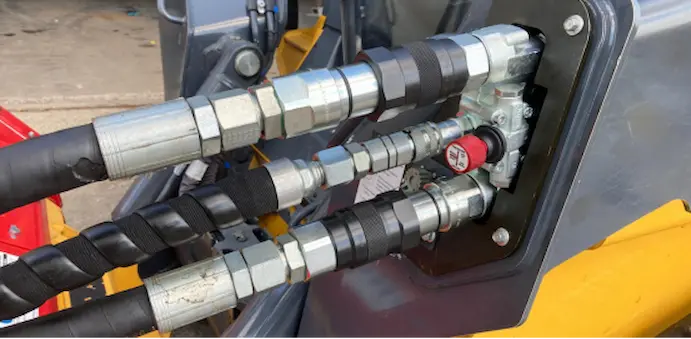
Learn how hydraulic check valves automatically allow fluid to flow in one direction while preventing reverse flow, pressure loss, and damage to pumps, seals, and other hydraulic components. The guide explains their working principle, common applications, material options, pressure and flow considerations, and the importance of correct sizing, sealing, and routine maintenance.
Tapping Valve vs Gate Valve: Key Differences and Applications
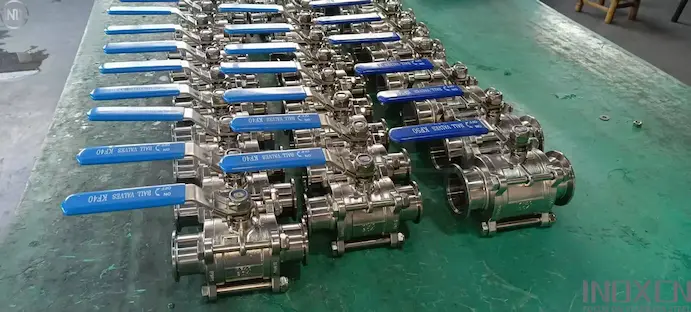
Compare tapping valves and gate valves by function, installation method, sealing requirements, maintenance, and application. Tapping valves are designed for adding branches or connection points to live pipelines without interrupting service, while gate valves are primarily used for full-flow isolation and shutoff in water, oil, gas, and industrial piping systems.
Top 10 Valve Manufacturers in the World (2026 Guide)
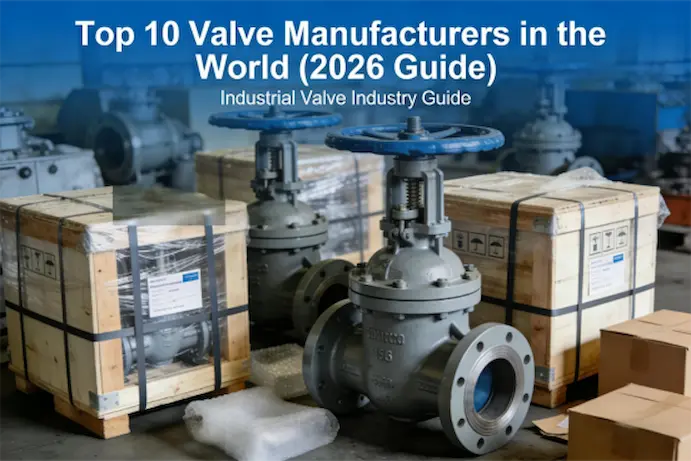
Explore ten leading valve manufacturers worldwide in 2026, comparing their countries, core products, engineering strengths, and industry applications. The guide covers manufacturers specializing in industrial pipeline valves, control and automation systems, severe-service equipment, high-pressure forged valves, and water infrastructure, while outlining key factors for supplier selection, including standards compliance, testing documentation, project experience, and export capability.
How DBB and DIB Valves Work: Key Differences Explained
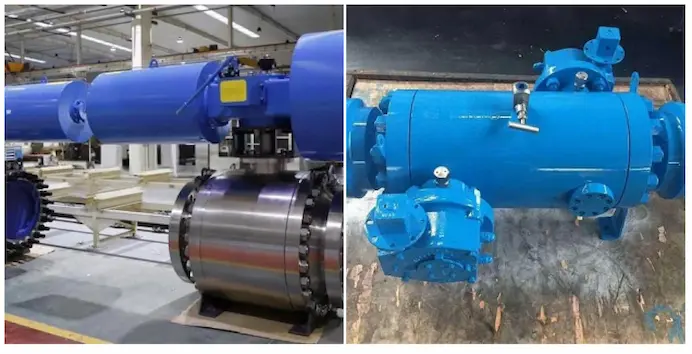
Learn how Double Block and Bleed (DBB) and Double Isolation and Bleed (DIB) valves provide two sealing barriers with a bleed cavity for safer pipeline isolation. DBB valves offer compact, verifiable isolation for standard pipeline and manifold applications, while DIB valves provide independent bidirectional sealing for hazardous, high-pressure, and other critical services.
API 607 vs API 6D Ball Valves: Key Differences Explained
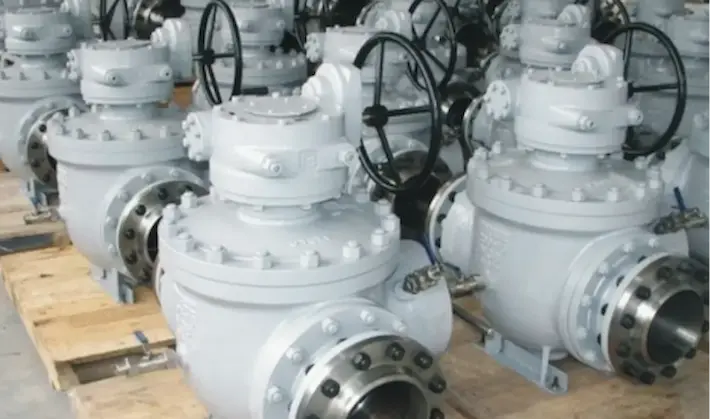
Compare API 607 and API 6D ball valves by standard scope, fire testing, design requirements, inspection, and application. API 607 verifies a quarter-turn valve’s sealing performance during and after fire exposure, while API 6D governs the design, materials, dimensions, testing, and reliability of pipeline valves. For fire-risk transmission pipelines, both API 6D compliance and API 607 fire testing may be required.
Top 6 Applications of Ball Valves in the Oil and Gas Industry
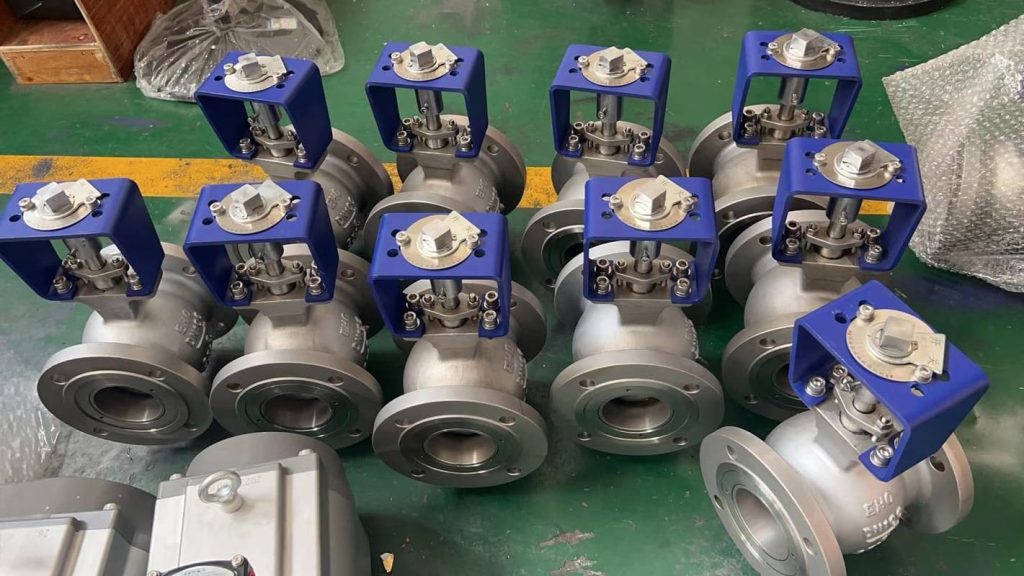
Quick Summary Ball valves are essential components in the oil and gas industry, providing efficient flow control, leak prevention, and pressure regulation. From upstream exploration to downstream refining, these valves are widely used in diverse applications, ensuring safety, reliability, and performance under demanding conditions. Imagine you’re in the heart of an oil refinery, where temperatures […]