
Tilting Disc vs Silent Check Valve Comparison
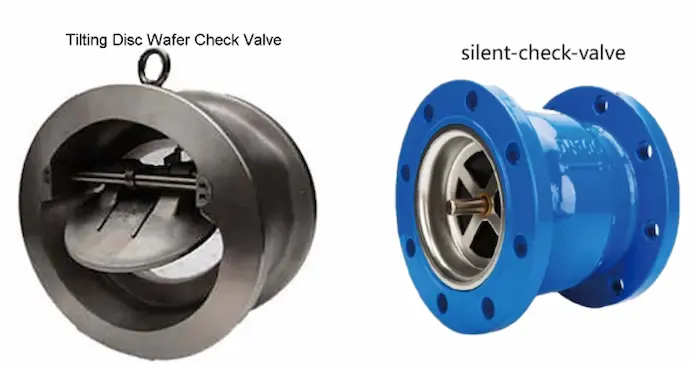
Compare tilting disc and silent check valves by closing mechanism, pressure loss, water-hammer control, installation space, noise level, and application. Tilting disc check valves provide low flow resistance for large, steady-flow pipelines, while spring-assisted silent check valves close rapidly to reduce reverse flow, noise, and pressure surges in pump discharge systems.
Bronze Check Valve and Y Strainer: Complete Guide
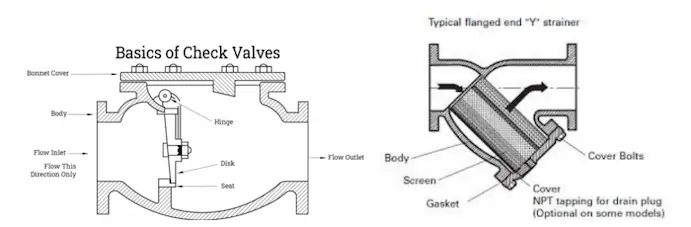
Learn how bronze check valves and bronze Y strainers work together to protect pumps, meters, control valves, and downstream piping equipment in water, HVAC, plumbing, marine, and general utility systems. The guide explains the difference between backflow prevention and debris filtration, proper installation order, bronze material selection, lead-free potable-water considerations, strainer screen maintenance, flow-direction requirements, and key specification factors for reliable system protection.
Vacuum Breaker vs Check Valve: Key Differences Explained
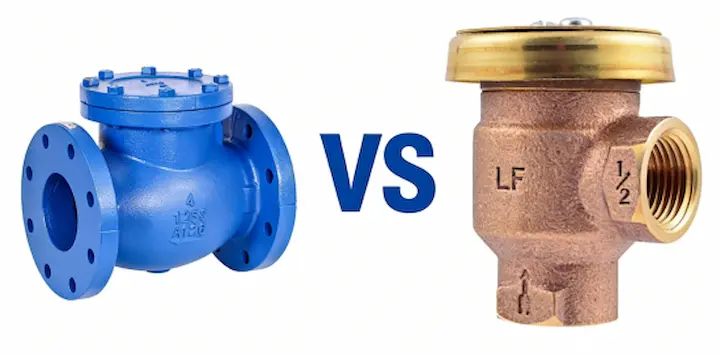
Learn the difference between a vacuum breaker and a check valve, including vacuum protection, siphon prevention, backflow control, installation points and selection checks.