
Floating vs Fixed Ball Valves: Key Differences Explained
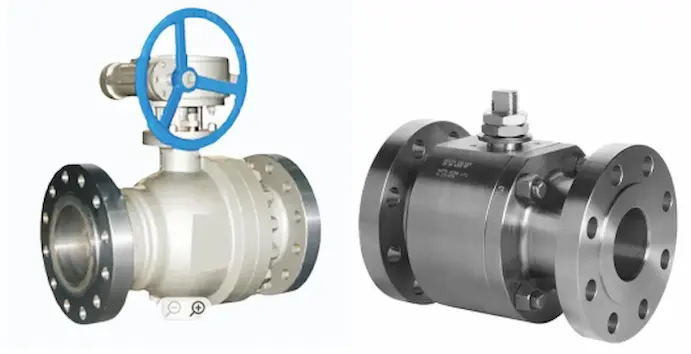
Compare floating and fixed (trunnion-mounted) ball valves by ball support, sealing mechanism, operating torque, pressure capability, valve size, cost, and application. Floating ball valves provide a simpler and more economical solution for small- to medium-size, low- and medium-pressure pipelines, while fixed ball valves offer lower torque and greater sealing stability for large-diameter, high-pressure oil, gas, power, and process systems.
Knife Gate Valve Guide: Working Principle, Applications and Selection
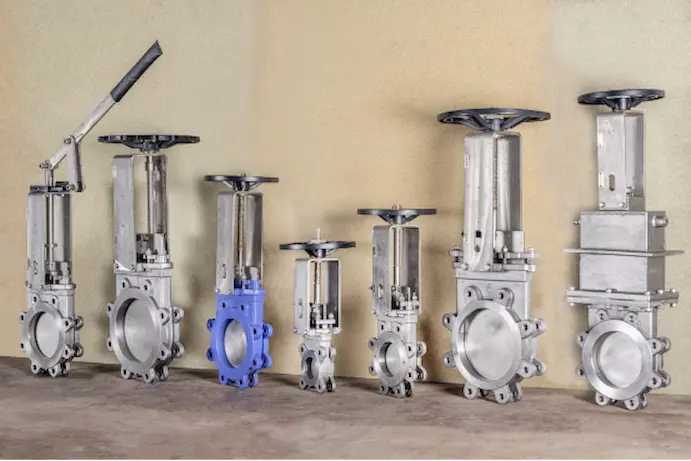
Learn how knife gate valves are selected for slurry, pulp, powder, wastewater, tailings, fibrous media, and other solids-containing services. The guide explains knife-edge gate design, wafer, lugged and flanged body options, soft-seat and metal-seat sealing, pressure and temperature limitations, installation orientation, clogging risks, maintenance considerations, and the key differences between knife gate valves and conventional gate valves.
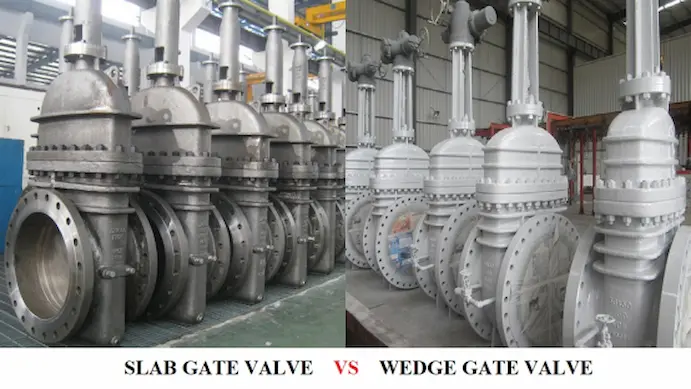
Wedge Gate Valve vs Slab Gate Valve: A Practical Guide
https://www.onoffvalve.com/knowledge-wedge-gate-valve-vs-slab-gate-valve/
API 607 vs API 6D Ball Valves: Key Differences Explained
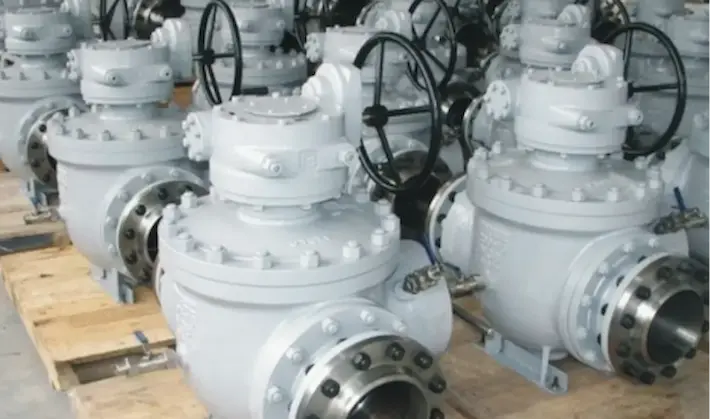
Compare API 607 and API 6D ball valves by standard scope, fire testing, design requirements, inspection, and application. API 607 verifies a quarter-turn valve’s sealing performance during and after fire exposure, while API 6D governs the design, materials, dimensions, testing, and reliability of pipeline valves. For fire-risk transmission pipelines, both API 6D compliance and API 607 fire testing may be required.
Floating Valves in Industrial Applications: Materials and Types Overview
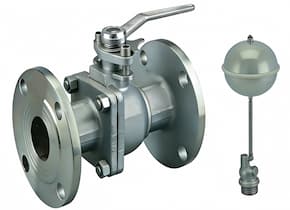
Learn the main types of floating valves used in industrial fluid systems and how to select the correct design for pipeline isolation, tank level control, or automatic water replenishment. The guide explains floating ball valves, float-controlled hydraulic valves, and float-operated angle globe valves, while comparing their control methods, materials, installation locations, and key selection factors for water, storage, process, and utility applications.
Globe Valves vs Gate Valves: Differences & Applications
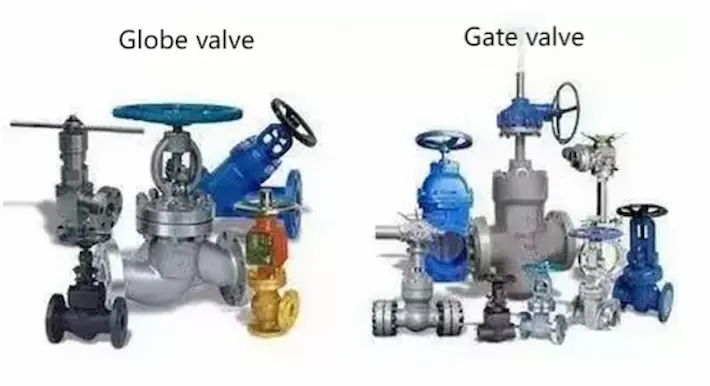
Compare globe valves and gate valves by flow path, throttling performance, pressure loss, operating frequency, sealing, and application. Globe valves provide accurate flow regulation and frequent operation for steam, fuel, and process-control lines, while gate valves offer straight-through flow and minimal pressure loss for full-open or full-closed isolation in water, fire-protection, and transmission pipelines.