
Needle Valve vs Ball Valve: Full Comparison Guide
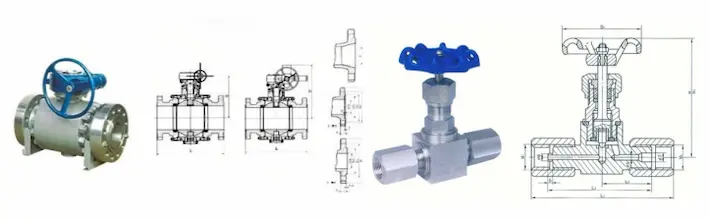
Compare needle valves and ball valves by flow-control precision, pressure drop, operating method, shutoff performance, and application. Needle valves provide fine, gradual adjustment for instrumentation, calibration, sampling, and low-flow control systems, while ball valves offer rapid quarter-turn operation, low flow resistance, and reliable isolation for water, oil, gas, and general industrial pipelines.
PVC Ball Valve vs Stainless Steel Ball Valve: Which One Should You Choose?
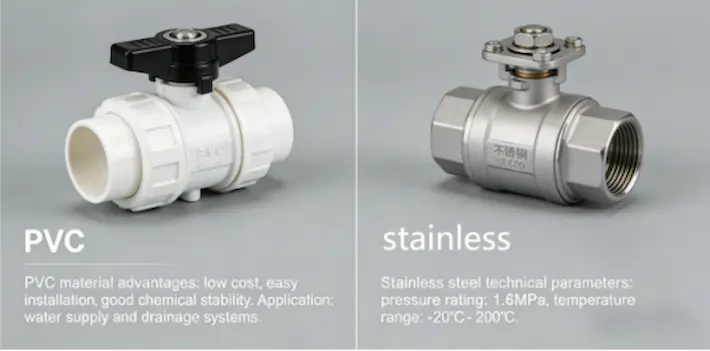
Compare PVC and stainless steel ball valves by pressure and temperature capability, corrosion resistance, mechanical strength, weight, cost, and media compatibility. PVC ball valves offer a lightweight and economical solution for cold water, irrigation, water treatment, and compatible low-temperature chemicals, while stainless steel ball valves provide greater strength and durability for high-pressure, high-temperature, steam, oil, gas, and demanding chemical applications.
How Plug Valves Differ from Gate Valves
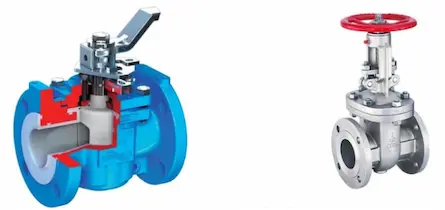
Compare plug valves and gate valves by operating motion, sealing structure, flow resistance, maintenance, and media compatibility. Plug valves provide fast quarter-turn shutoff and are well suited to viscous, dirty, or slightly abrasive fluids, while gate valves provide unobstructed full-bore flow with very low pressure loss for clean water, gas, steam, and general pipeline isolation.