
Control Valves: Should They Always Be In the Open Position?
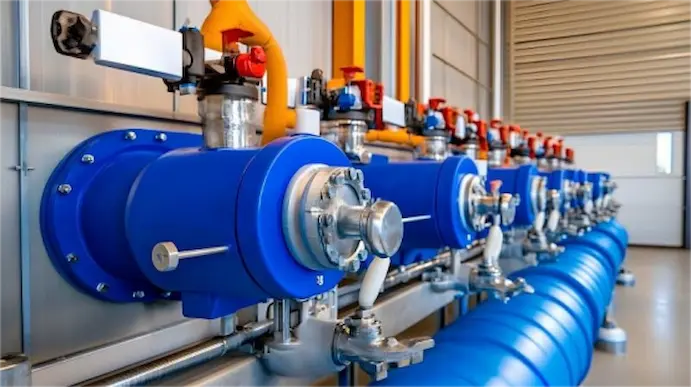
Quick Overview Control valves are integral components of industrial systems, used to regulate the flow, pressure, and temperature of fluids. One of the most common questions is whether control valves should always be in the open position. In this article, we’ll explore the ideal operating positions for control valves, their role in fluid control, and […]
Lockable Ball Valves: Enhancing Industrial Safety and Control
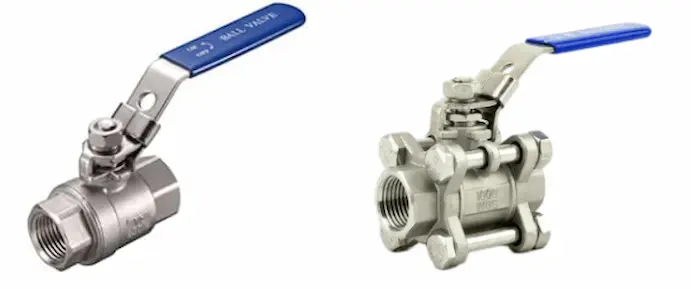
Learn how lockable ball valves help prevent unauthorized or accidental operation by securing the valve in an open or closed position. The guide explains their role in lockout/tagout procedures, maintenance isolation, hazardous-energy control, selection, inspection, and safe operation in industrial fluid and gas systems.
How to Tell If a Valve Is Open or Closed: Position Indicator Guide
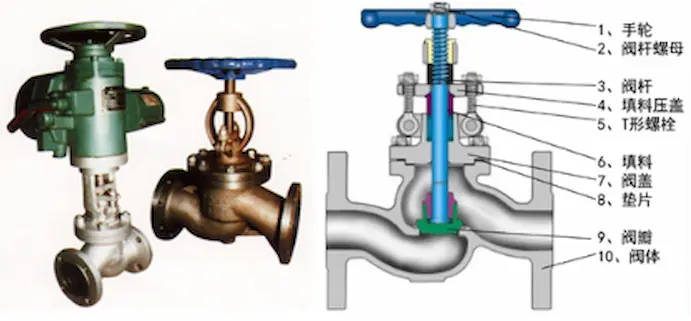
Learn how to determine whether a valve is open, closed, or partially open by checking handle direction, stem position, handwheel travel, actuator indicators, position feedback, flow response, and operating records. The guide explains common valve position indicators for ball valves, gate valves, globe valves, check valves, and automated valves, while highlighting inspection, maintenance, lockout/tagout, and safety practices that help prevent misoperation in industrial, HVAC, plumbing, and process systems.
Types of 3-Way Valves and Their Applications: A Complete Guide for Industrial Use
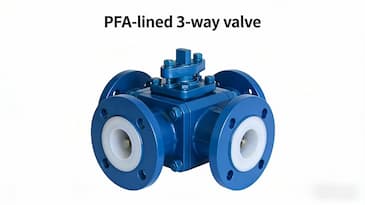
Quick Summary In this article, we will explore the different types of 3-way valves, their applications, and how they perform in various industrial environments. By understanding the key differences between these valves, you can make informed decisions about which is best suited for your operational needs. Whether you’re working in chemical processing, water treatment, or […]