
Best Valves for Seawater Applications
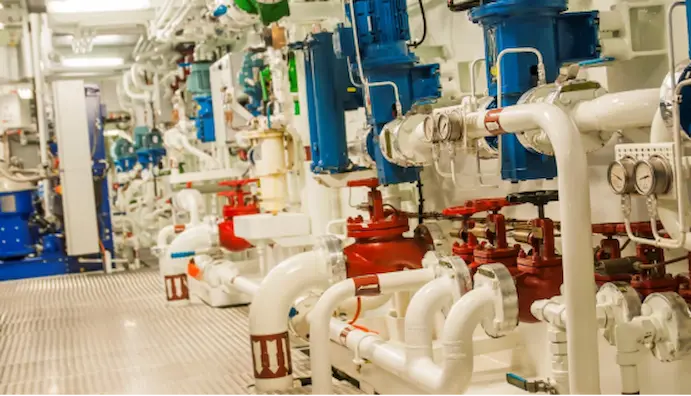
Valves for seawater applications need chloride corrosion review, suitable materials, lining or coating, and clear RFQ data for seawater valve selection.
Valves for Sugar Industry
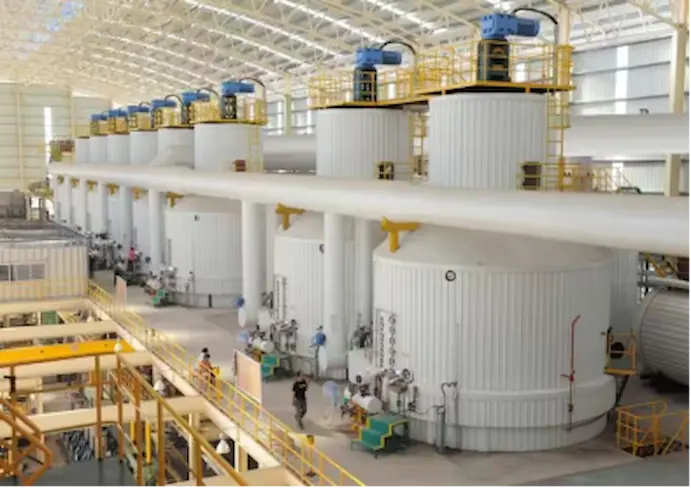
Explore the main valve types used in sugar mills and sugar-processing plants for syrup handling, steam service, cooling water, isolation, and flow control. The guide explains how viscosity, sugar deposits, corrosion, abrasion, temperature, hygiene requirements, and control accuracy affect valve material, design, and application selection.
Why Ball Valves are the Best Choice for Gases
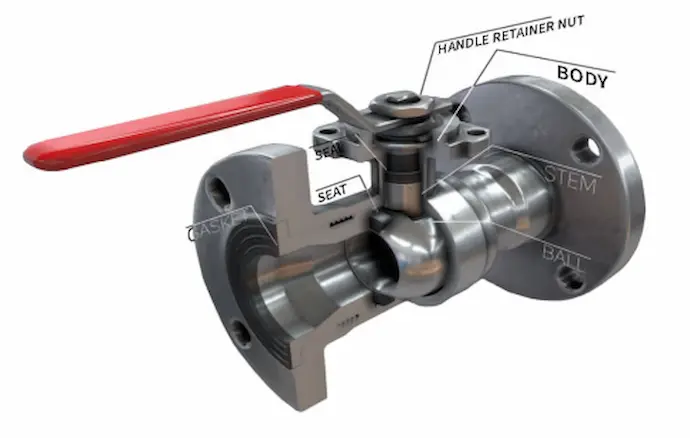
Learn why ball valves are widely used for natural gas, industrial gas, biogas, and other pressurized gas systems. The guide explains their quarter-turn operation, tight shutoff, low flow resistance, pressure capability, material options, and key selection factors for reducing leakage and maintaining safe, reliable gas isolation.
Basic Knowledge and Measures for Valve Corrosion Prevention
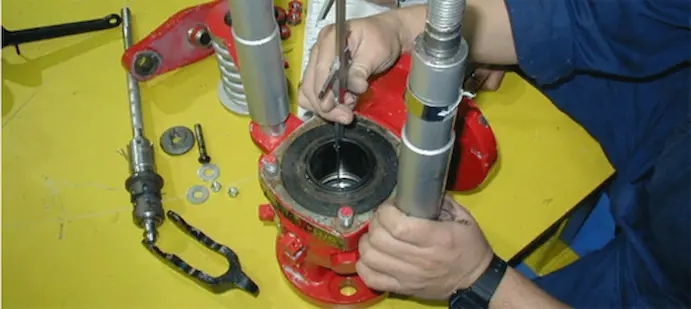
Learn what causes corrosion in industrial valves and how it can lead to leakage, reduced sealing performance, structural damage, and premature valve failure. The guide explains practical prevention measures, including service-compatible material selection, protective coatings, routine inspection, moisture control, and timely maintenance for water, chemical, gas, and corrosive process systems.
Why Choose Ball Valves for Compressed Air Systems
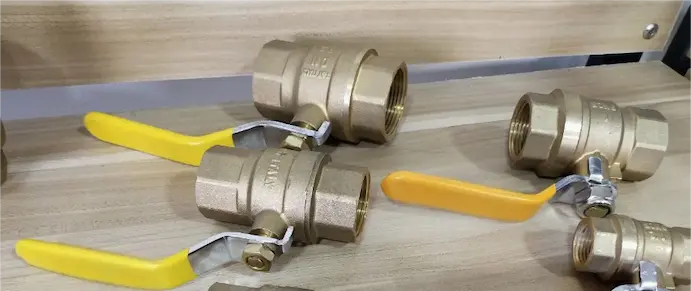
Learn why ball valves are widely used in compressed air systems for isolation, zoning, leakage control, and low-resistance airflow. The guide explains how tight shutoff, full-bore construction, suitable seat materials, pressure rating, cycling requirements, and proper valve sizing help reduce air loss, pressure drop, compressor workload, and operating cost in industrial pneumatic networks.