
Control Valves: Should They Always Be In the Open Position?
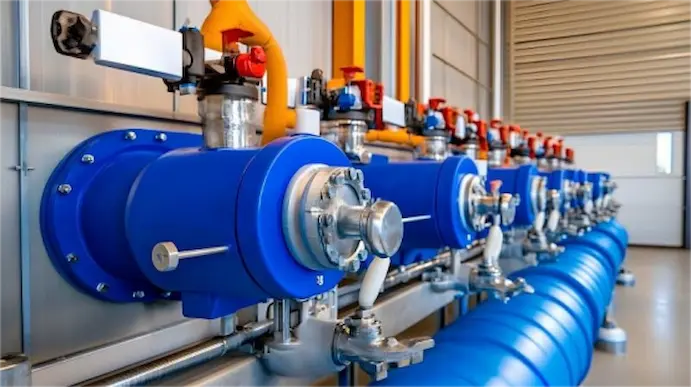
Quick Overview Control valves are integral components of industrial systems, used to regulate the flow, pressure, and temperature of fluids. One of the most common questions is whether control valves should always be in the open position. In this article, we’ll explore the ideal operating positions for control valves, their role in fluid control, and […]
What is a Piggable Valve? Understanding Its Role in Pipeline Maintenance
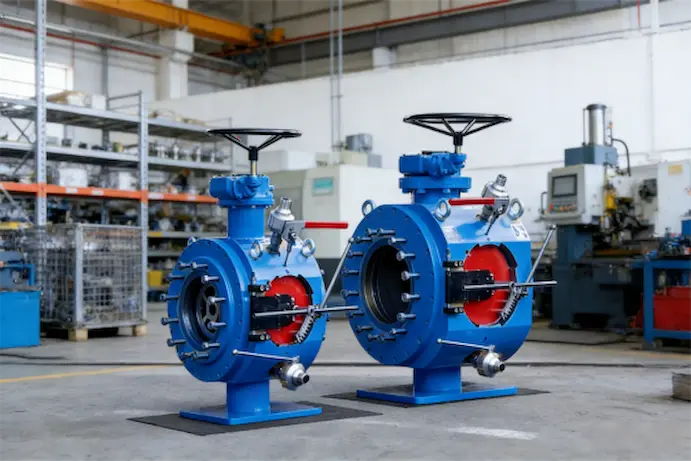
Learn what a piggable valve is and how its full-bore, unobstructed flow path allows cleaning, inspection, and batching pigs to pass safely through a pipeline. The guide explains how piggable valves support pipeline cleaning, corrosion inspection, blockage prevention, reduced downtime, and more efficient maintenance in oil, gas, chemical, and water systems.
Non-Lubricated Plug Valve vs Lubricated Plug Valve: Which is Best for Your Application?
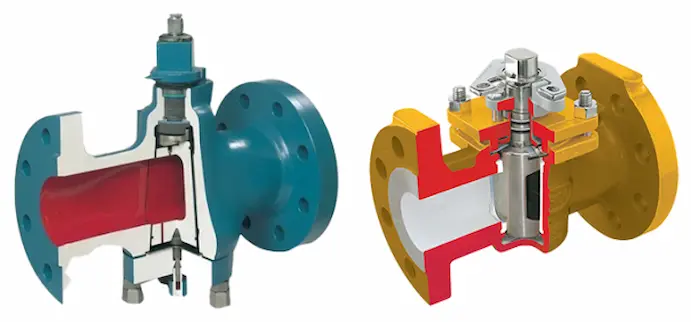
Compare non-lubricated and lubricated plug valves by sealing design, operating torque, pressure and temperature capability, maintenance, contamination risk, and application. Non-lubricated plug valves suit cleaner, low- to medium-pressure services where lubricant contamination is undesirable, while lubricated plug valves provide smoother operation and stronger sealing for demanding high-pressure and high-temperature industrial systems.
Flush Bottom Valve: Definition, Types, Components, Working, and Advantages
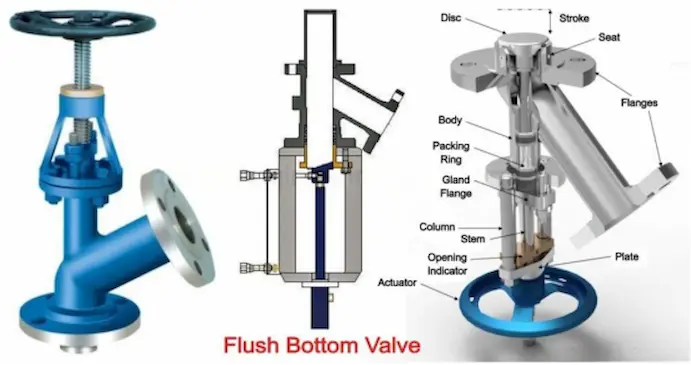
Learn how flush bottom valves provide complete and controlled discharge from tanks, reactors, and process vessels while reducing residue accumulation, contamination, and flow blockage. The guide explains common valve types, components, operating principles, advantages, and selection factors for viscous liquids, slurries, volatile fluids, and other demanding process media.
Efficient Valve Selection to Minimise Downtime: Best Practices and Tips
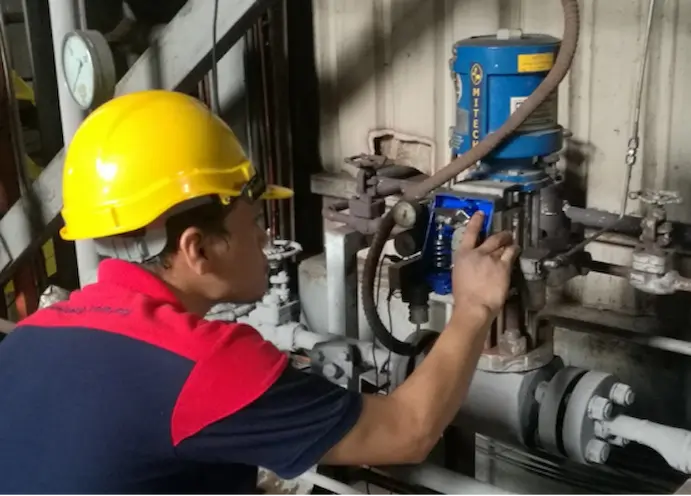
Learn how correct valve selection can reduce unplanned downtime, maintenance frequency, leakage, and premature equipment failure. The guide explains how fluid properties, pressure, temperature, flow rate, valve sizing, material compatibility, sealing performance, inspection, and preventive maintenance affect valve reliability and overall system efficiency.