
What Is the Difference Between a Fail-Close and Fail-Open Valve?
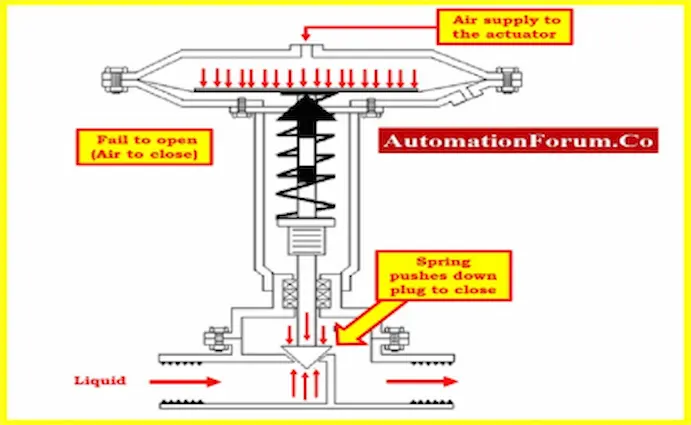
Compare fail-closed and fail-open valves by their response to loss of power, air supply, or control signal. The guide explains how fail-closed configurations stop potentially hazardous flow, while fail-open configurations maintain essential cooling, venting, or circulation, and outlines the safety, actuator, differential-pressure, and process requirements that determine the correct failure position.
How to Tell If a Valve Is Open or Closed: Position Indicator Guide
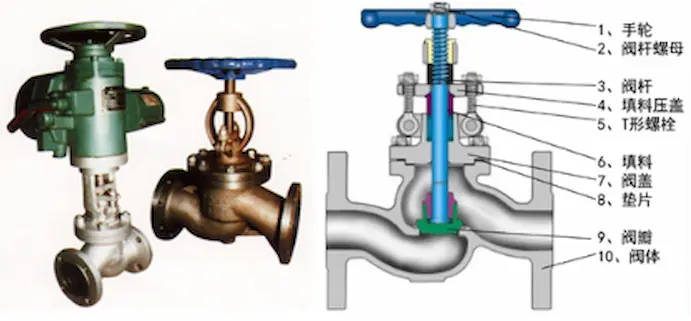
Learn how to determine whether a valve is open, closed, or partially open by checking handle direction, stem position, handwheel travel, actuator indicators, position feedback, flow response, and operating records. The guide explains common valve position indicators for ball valves, gate valves, globe valves, check valves, and automated valves, while highlighting inspection, maintenance, lockout/tagout, and safety practices that help prevent misoperation in industrial, HVAC, plumbing, and process systems.
What is the purpose of a stop valve?
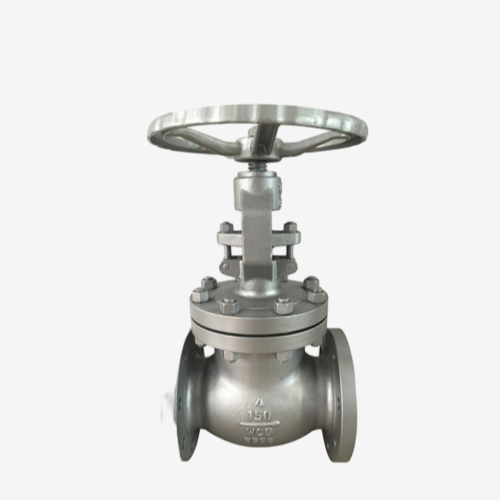
Quick Summary A stop valve is a critical component in many industrial systems, designed to control the flow of fluids in pipelines. Often used for emergency shut-off or isolating parts of a system, the stop valve ensures smooth and safe operation. In this article, we’ll explore the various functions, uses, and advantages of stop valves […]