
Understanding the Butterfly Valve Bolt Chart
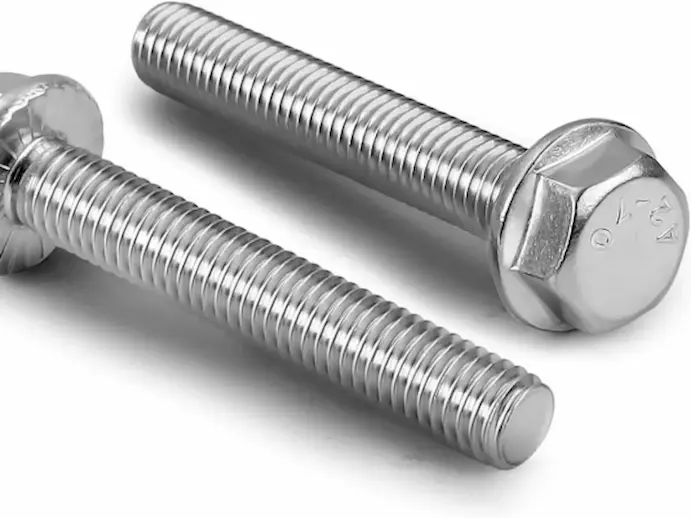
Learn how to read a butterfly valve bolt chart and select the correct bolt diameter, length, quantity, material, and tightening torque for different valve sizes and flange configurations. The guide explains how proper bolt selection, material compatibility, alignment, and controlled tightening help prevent flange leakage, gasket damage, valve-body distortion, and premature installation failure.
The Role of Air Release Valves in Piping Systems
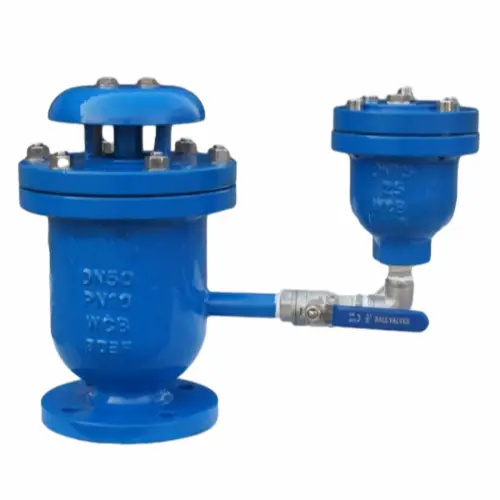
Learn how air release valves remove trapped air from pipelines to prevent air pockets, flow restriction, pressure fluctuations, water hammer, and reduced system efficiency. The guide explains their operating principle, typical installation at pipeline high points, common applications, and key considerations for sizing, inspection, and maintenance.
Installation Requirements for Cryogenic Valves: Best Practices and Tips
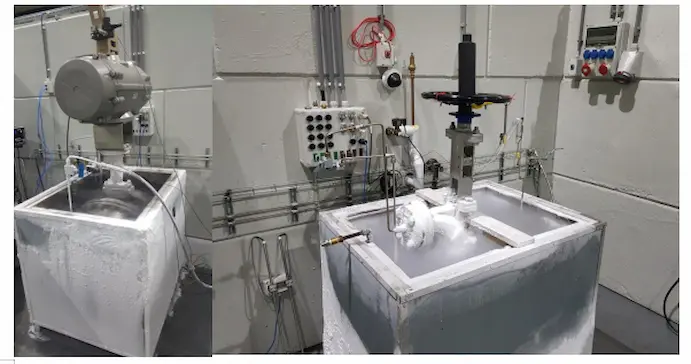
Learn the essential requirements for installing cryogenic valves in LNG, liquid oxygen, nitrogen, hydrogen, and other extremely low-temperature systems. The guide covers material and seal compatibility, valve orientation and pipeline alignment, leak and pressure testing, commissioning checks, and maintenance practices that help prevent leakage, cracking, operational failure, and premature valve damage.
Essential Tips for Installing Steam Traps in Industrial Systems
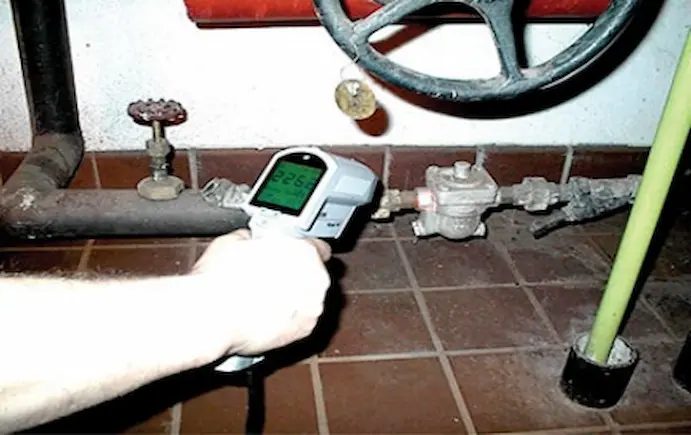
Learn how to install steam traps correctly for efficient condensate and non-condensable gas removal in industrial steam systems. The guide covers steam trap selection and sizing, installation orientation, common mistakes, routine inspection, and maintenance practices that help reduce steam loss, water hammer, equipment damage, energy consumption, and unplanned downtime.
What Is the Difference Between a Fail-Close and Fail-Open Valve?
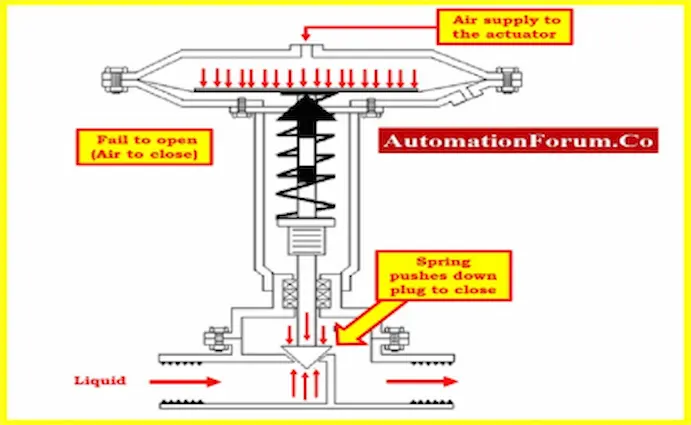
Compare fail-closed and fail-open valves by their response to loss of power, air supply, or control signal. The guide explains how fail-closed configurations stop potentially hazardous flow, while fail-open configurations maintain essential cooling, venting, or circulation, and outlines the safety, actuator, differential-pressure, and process requirements that determine the correct failure position.
A Complete Guide on Valve Installation: Butterfly Valve Bolt Chart and Best Practices
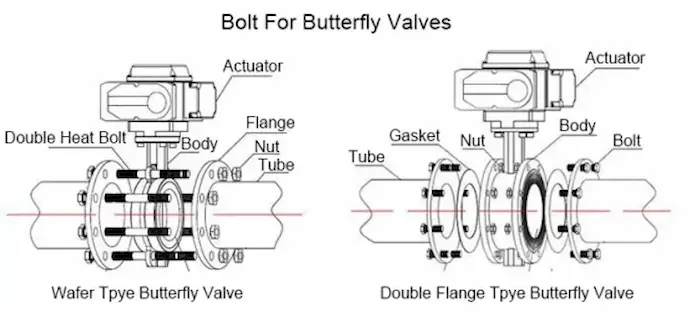
Learn the essential steps for correct butterfly valve installation, including valve sizing, flange alignment, bolt selection, controlled tightening, gasket and seat protection, and post-installation leak testing. The guide explains how proper installation practices help prevent leakage, flange damage, valve-body distortion, premature seal failure, and unnecessary maintenance.
Long Pattern vs Short Pattern Ball Valve: Key Differences and Applications
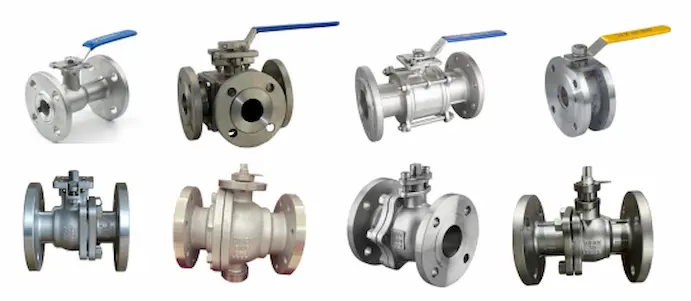
Compare long-pattern and short-pattern ball valves by face-to-face length, installation space, flow capacity, pressure suitability, cost, and application. Long-pattern valves offer a more robust body for demanding pipeline service, while short-pattern valves provide a compact, economical solution for space-limited water, HVAC, and general industrial systems.
What is the Difference Between Butterfly Valve and Butterfly Check Valve?
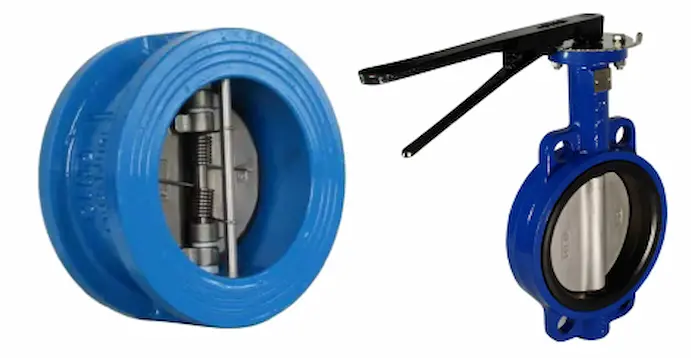
Compare butterfly valves and butterfly check valves by operating function, disc movement, flow direction, installation, maintenance, and application. Butterfly valves are manually or automatically operated for pipeline isolation and throttling, while butterfly check valves operate automatically to allow one-way flow and prevent reverse flow in water, cooling, HVAC, chemical, and industrial piping systems.
Flanged Valves vs. Screwed Valves: How to Choose the Right Valve for Your Application
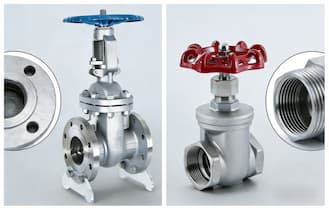
Compare flanged and screwed valves by connection type, pressure and temperature capability, sealing reliability, installation, maintenance, and cost. Flanged valves are better suited to large-diameter, high-pressure, high-temperature, corrosive, and frequently maintained industrial pipelines, while screwed valves provide a compact and economical solution for smaller, moderate-pressure water, air, HVAC, and general utility systems.
How to Tell If a Valve Is Open or Closed: Position Indicator Guide
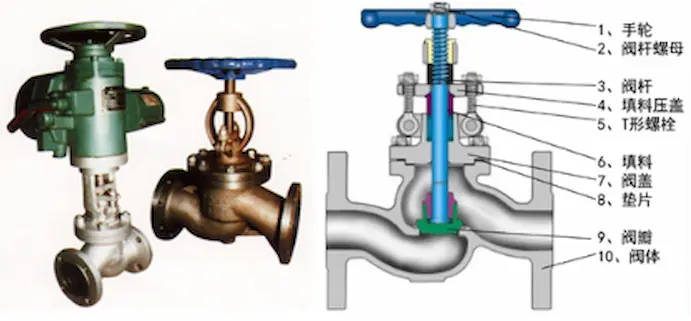
Learn how to determine whether a valve is open, closed, or partially open by checking handle direction, stem position, handwheel travel, actuator indicators, position feedback, flow response, and operating records. The guide explains common valve position indicators for ball valves, gate valves, globe valves, check valves, and automated valves, while highlighting inspection, maintenance, lockout/tagout, and safety practices that help prevent misoperation in industrial, HVAC, plumbing, and process systems.
Types of 3-Way Valves and Their Applications: A Complete Guide for Industrial Use
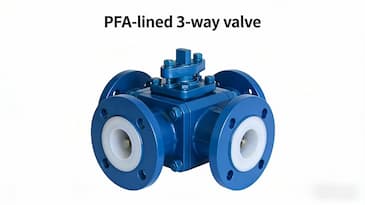
Quick Summary In this article, we will explore the different types of 3-way valves, their applications, and how they perform in various industrial environments. By understanding the key differences between these valves, you can make informed decisions about which is best suited for your operational needs. Whether you’re working in chemical processing, water treatment, or […]
What is swing check valve
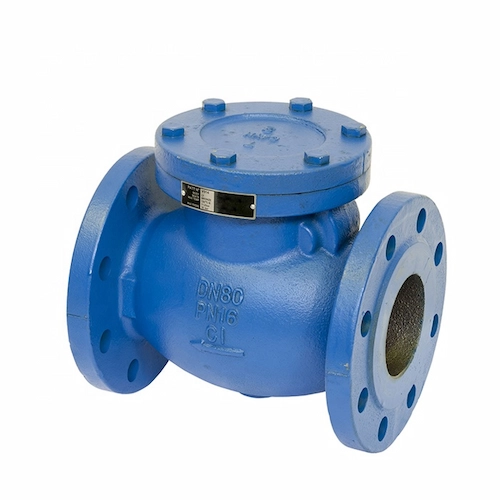
Quick Summary A swing check valve is a type of backflow prevention device used in pipelines to ensure unidirectional flow. The valve has a hinged disc that swings to allow flow in one direction, and swings back to close when flow reverses. This simple yet effective mechanism prevents backflow and protects systems from potential damage […]